
You can make every square foot feel intentional and roomy without gutting the place. Think vertical shelving, lofted beds, slim multifunctional pieces, and pale finishes that bounce light. Keep sightlines clear, stash clutter in built‑ins, and use rugs or plants to define zones. I’ll walk you through 29 practical moves that reclaim floor space and calm the visual clutter—starting with a few easy swaps you can do this weekend.
Maximize Vertical Shelving
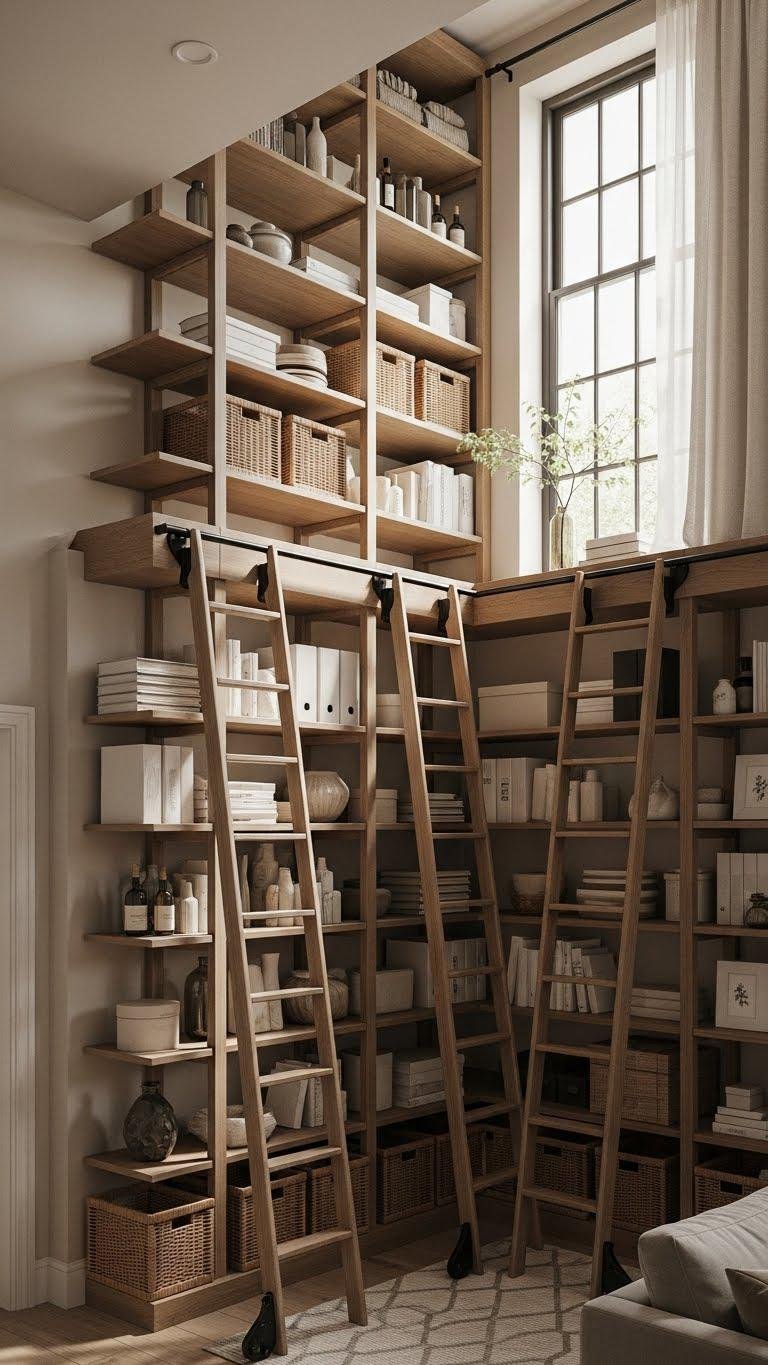
Think up instead of out: stack shelves up to the ceiling to free floor space and draw the eye upward. You’ll use corner ladders to reach high storage and create sculptural lines.
Mix open shelving with stacked baskets for concealed clutter. Keep a disciplined edit—display essentials, rotate items seasonally, and leave negative space so your small place feels airy, functional, and free.
Install a Lofted or Elevated Bed

Raise your sleeping area to reclaim floor space and define zones in a tiny apartment. Build a sturdy lofted bed to free a bold lofted workspace underneath — add a slim desk, lighting, and storage.
Keep access safe with compact stairs or a ladder. Reserve a cozy elevated pet area beneath or beside the bed so your companion has the same sense of freedom.
Choose Multi‑functional Furniture
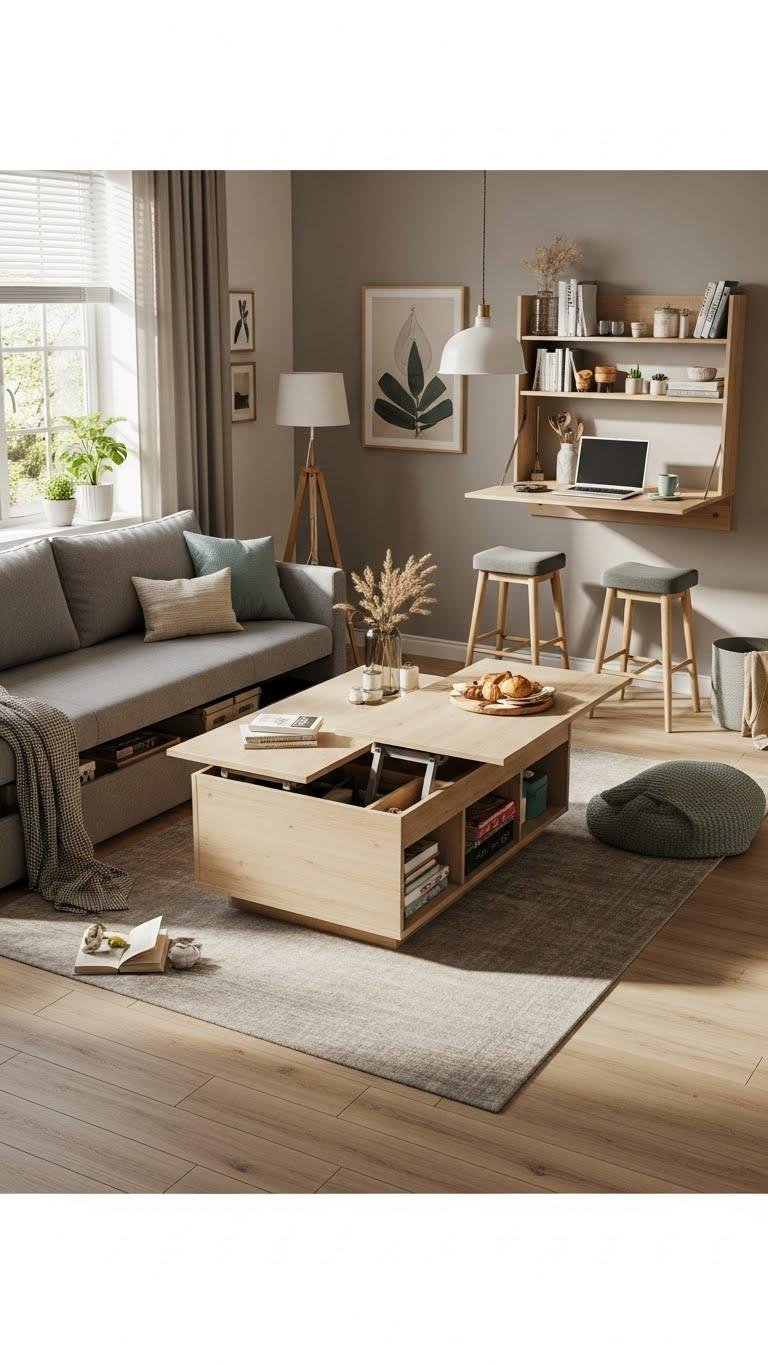
Make every piece pull double duty so your small space works harder for you: choose furniture that folds, tucks away, or transforms to serve multiple needs. Pick a sofa with hidden compartments, a coffee table with convertible surfaces and storage, and a desk that becomes a dining spot. You’ll free floor space, reduce clutter, and keep style flexible for spontaneous living.
Use Wall‑mounted Lighting and Sconces
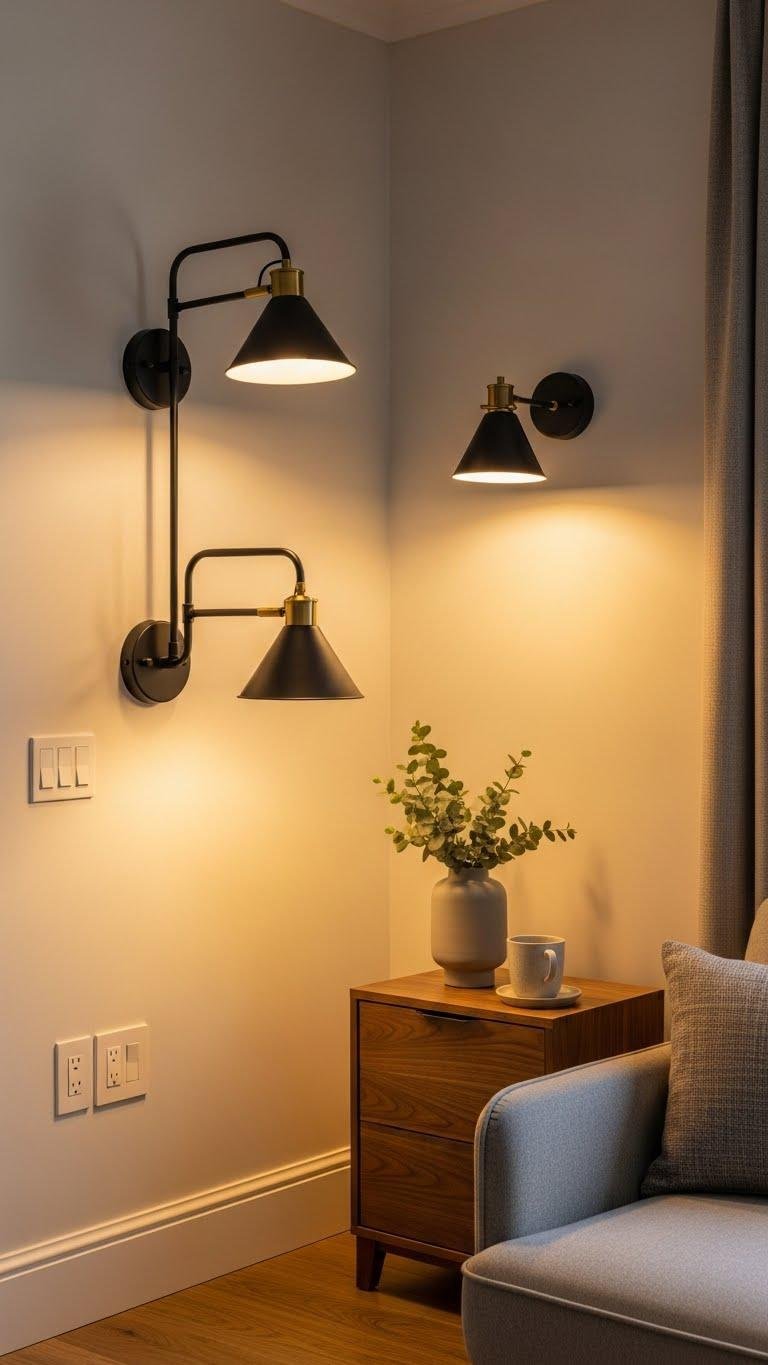
Swinging a few lights up on the walls frees up floor and tabletop space while giving your room layered, purposeful illumination. You’ll pick sconces with adjustable arms for tasking a corner, wireless fixtures to avoid messy cords, art directed shades to cast intentional mood, and integrated switches for clean control. Mount lights at eye level to expand sightlines and keep the floor open.
Fit Slim Tall Cabinets in Narrow Niches
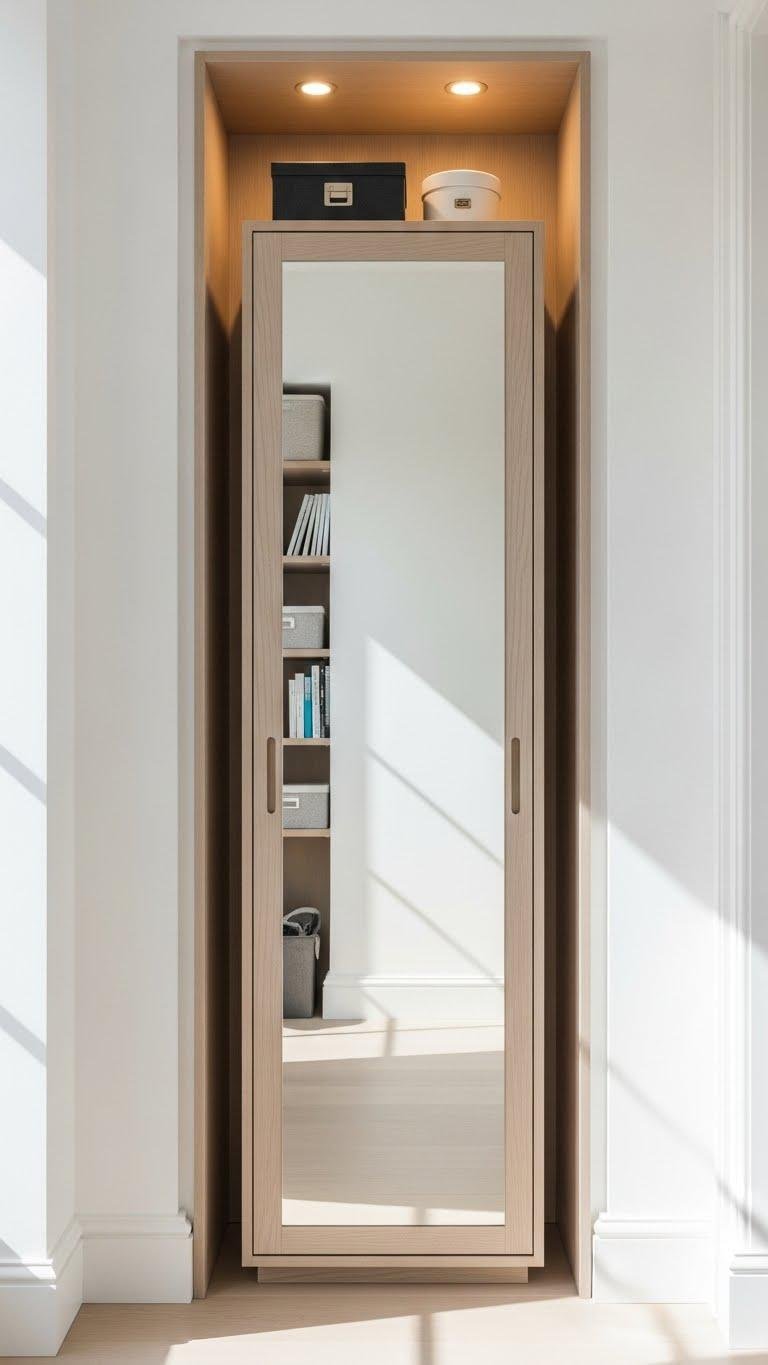
Slide a slim tall cabinet into a narrow niche to gain serious storage without crowding your room.
You’ll maximize vertical space with custom millwork that fits flush, freeing floor area and sightlines. Choose light finishes and mirrored doors to reflect light, add recessed lighting above to highlight contents, and keep profiles minimal so you move freely and maintain an airy, uncluttered vibe.
Add Vertical Plant Walls or Stacked Planters

If you’ve freed up floor space with slim, tall storage, use that vertical real estate for greenery: install a living wall or a stack of planters to bring height, texture, and life without cluttering the floor.
You’ll open sightlines by mounting vertical trellises, staggered boxes, or hanging kokedama. Choose low-maintenance species, easy irrigation, and modular systems you can rearrange as you roam.
Pick Convertible Sofas and Murphy Beds
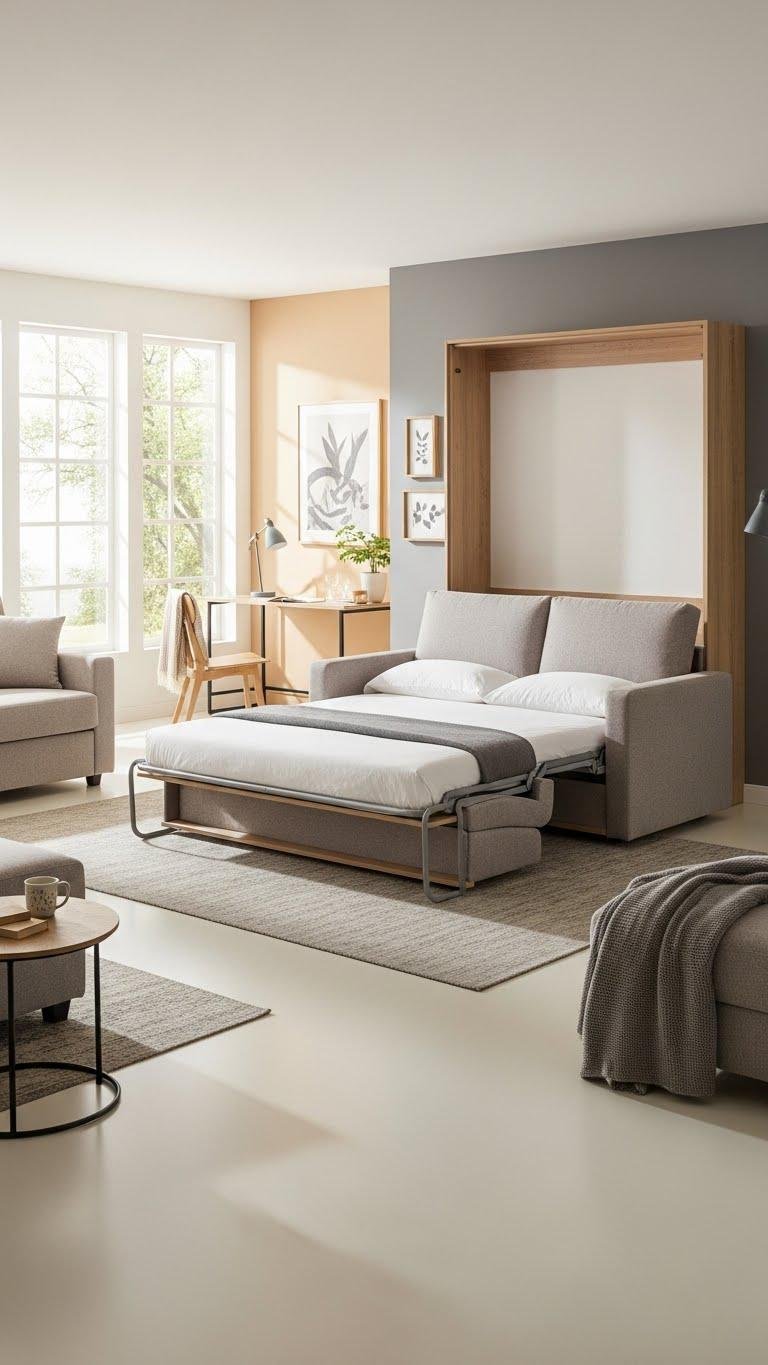
Maximize function without sacrificing style by choosing convertible sofas and Murphy beds that blend into your room when you don’t need them. You’ll reclaim floor area, create flexible zones, and keep a clean aesthetic. Opt for space saving upholstery and concealed hardware so pieces look built-in. Pick finishes that match walls and floors, letting you shift between lounge, work, and sleep with effortless freedom.
Select Ottomans and Benches With Storage
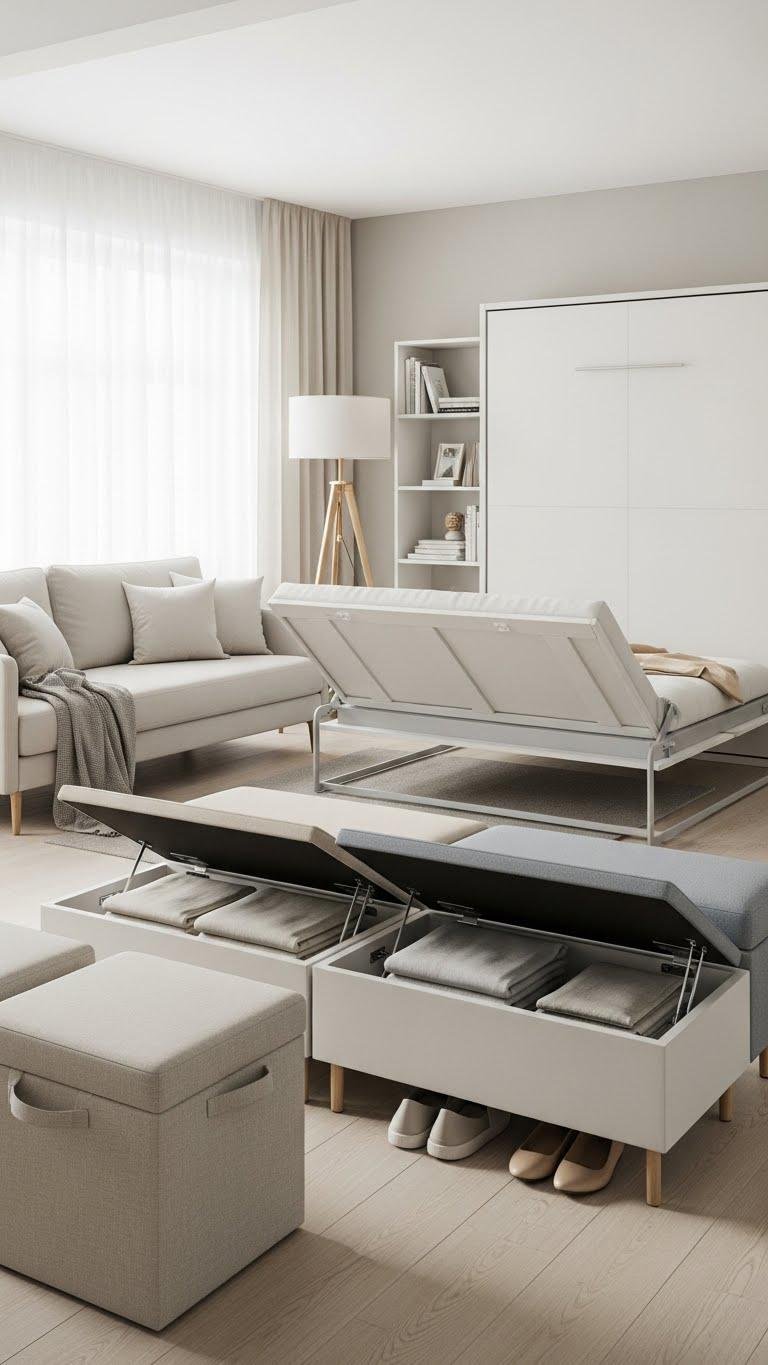
Once your sofa and Murphy bed free up floor space, pick ottomans and benches with hidden storage to keep that openness feeling uncluttered.
Choose pieces with a soft close hidden hinge for safety and smooth access.
Ottoman bench storage conceals extra linens, gear, or shoes without sacrificing style.
Use slender, low-profile shapes and light fabrics to maintain airy, liberated sightlines.
Use Extendable Dining Tables and Fold‑down Desks
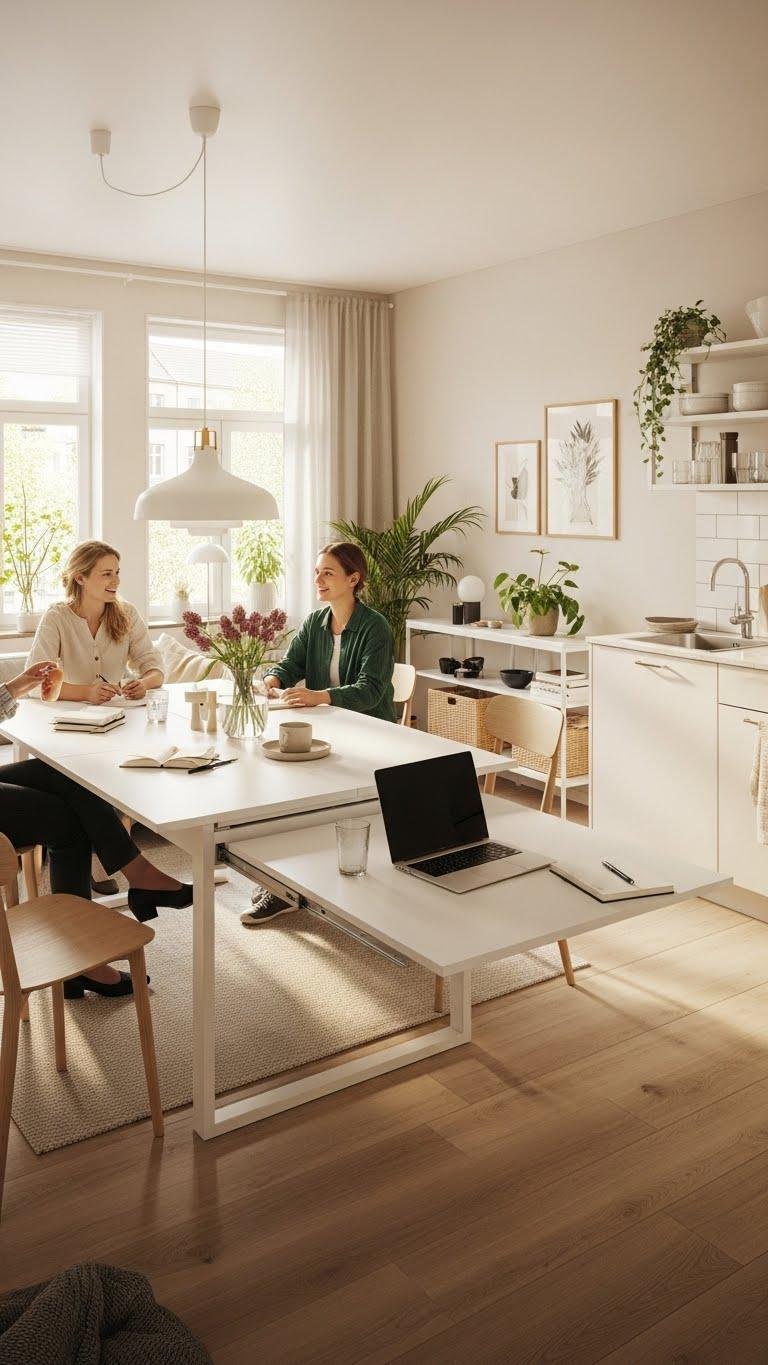
A few clever pieces — an extendable dining table and a fold‑down desk — give you flexible workspace and seating without eating floor area when you don’t need them.
You’ll pull out the table for guests, fold the desk away for clear flow, and choose space saving finishes that reflect light.
They pair neatly with compact kitchenette integration for a liberated, efficient home.
Opt for Modular Seating and Nesting Tables
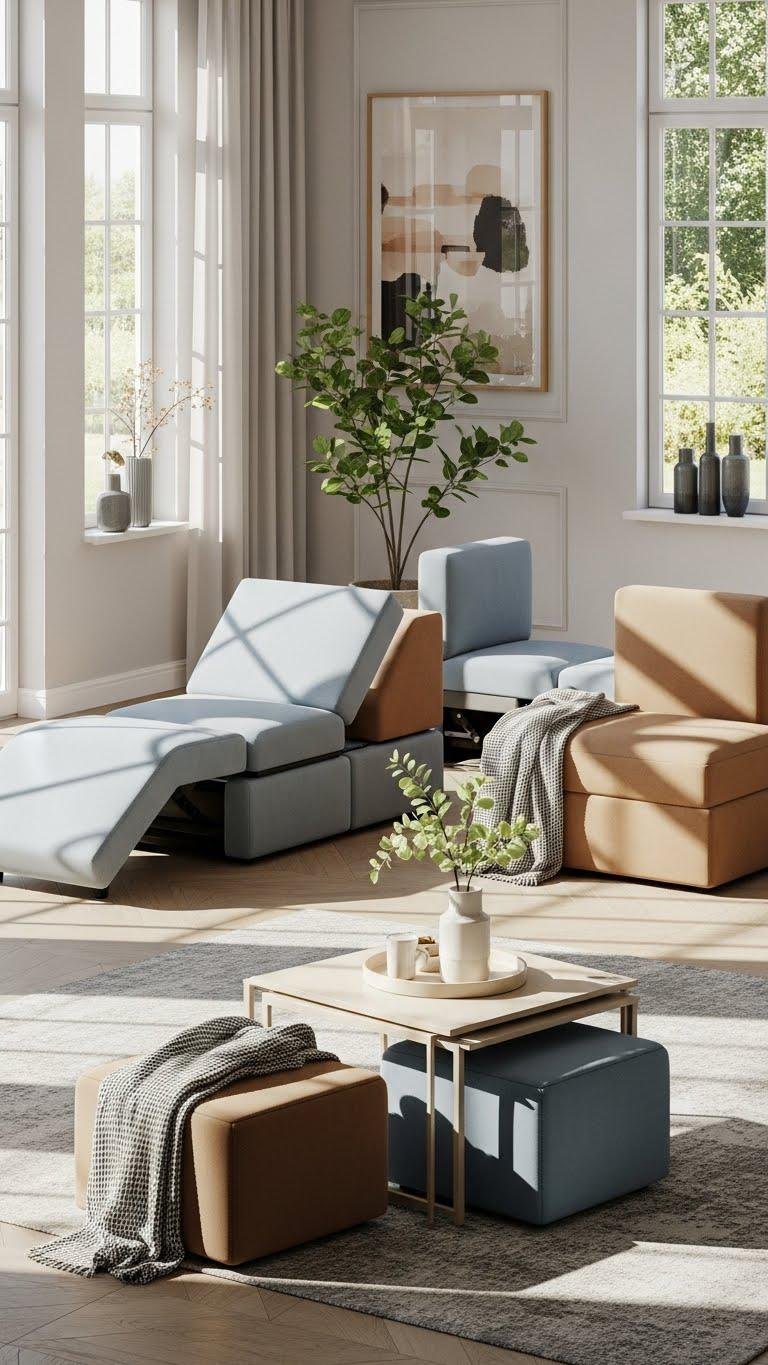
Think in modules: pick seating that snaps together, pulls apart, or tucks away so you can reshuffle the room in seconds. Choose a modular chaise that splits into loungers or compact seats, letting you change layout instantly. Add nesting stools that stack or slide under tables for guests. You’ll enjoy a flexible, airy space that adapts to work, rest, or play.
Choose Furniture With Integrated Charging and Lighting
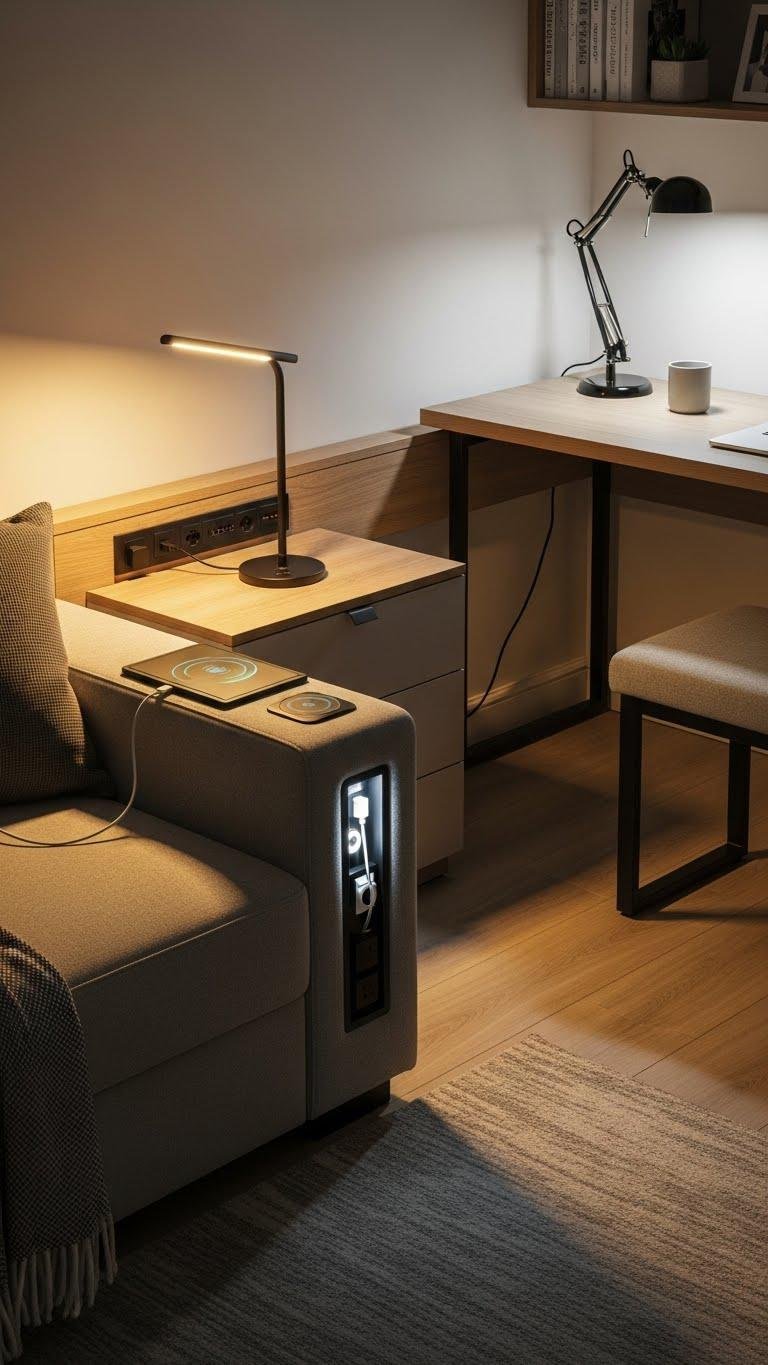
Often you’ll want furniture that does more than look good — pick pieces with built-in USB ports, wireless charging pads, and adjustable task lighting so your sofa, nightstand, or desk becomes a power hub and a light source without clutter.
Choose USB integrated tables and sleek lamp bench combos that free floor space, reduce cords, and let you move, recharge, and read wherever you want.
Place Large Mirrors Opposite Windows
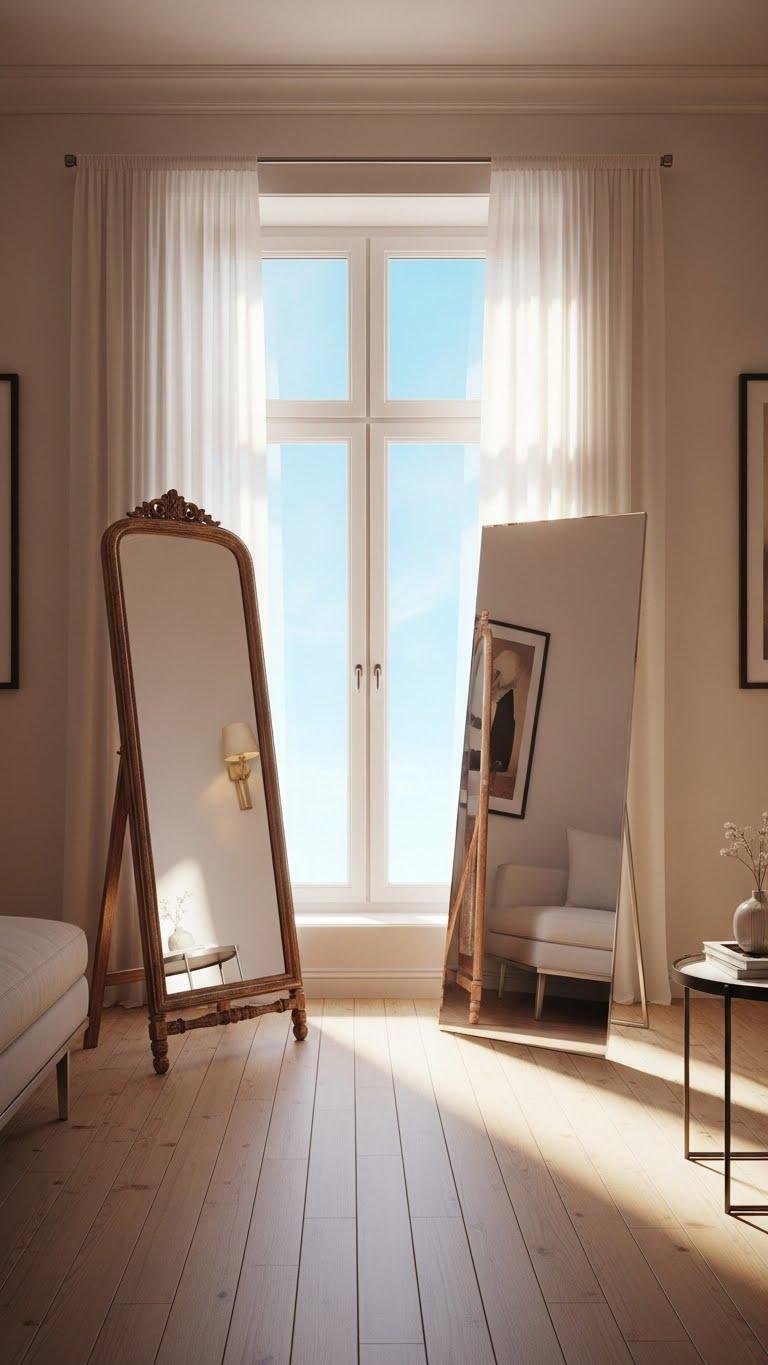
Placing a large mirror directly opposite a window doubles natural light and visually expands your room, so position it to catch the widest sweep of daylight and sky. Choose an antique cheval for character or a frameless acrylic piece for modern clarity. Mount securely, angle slightly to reflect view, and pair with minimal furniture so the enhanced light and depth let you move and breathe freely.
Adopt a Light, Neutral Color Palette
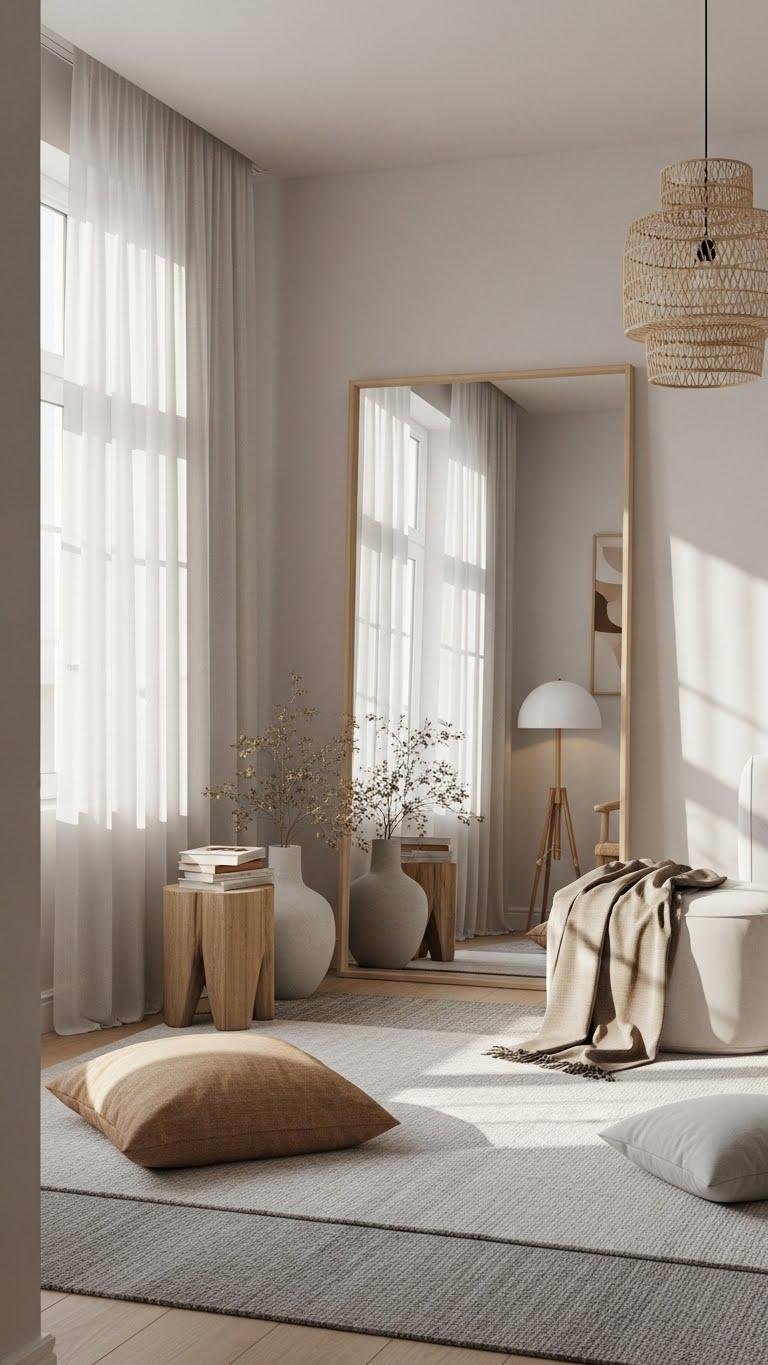
Mirrors amplify light, but the paint and textiles you pick decide how that light feels and spreads; adopt a light, neutral palette to make every ray count.
Choose natural neutrals—warm whites, sandy beiges, soft greys—and use tonal layering with curtains, rugs, and throw cushions. Keep contrasts gentle, surfaces matte, and finishes minimal so your space feels airy, calm, and effortlessly free.
Use Low‑Profile Furniture With Raised Legs

Usually, choose low-profile pieces with raised legs to keep sightlines open and make your apartment feel larger.
You’ll want low profile seating that hugs the floor but shows space underneath, so light and air move freely. Pair with raised leg tables to maintain visual flow, simplify cleaning, and create a breezy, uncluttered vibe that lets you live light and move without restriction.
Incorporate Glossy or Satin Finishes Strategically

When you introduce glossy or satin finishes selectively, they bounce light and add depth without overwhelming a small space. Use high gloss cabinetry on a single wall to reflect light and create openness, then pair it with satin finish trim for subtle contrast. Keep other surfaces matte to avoid glare. You’ll create a liberated, airy feel while keeping visuals calm and intentional.
Maintain Consistent Flooring Across Zones
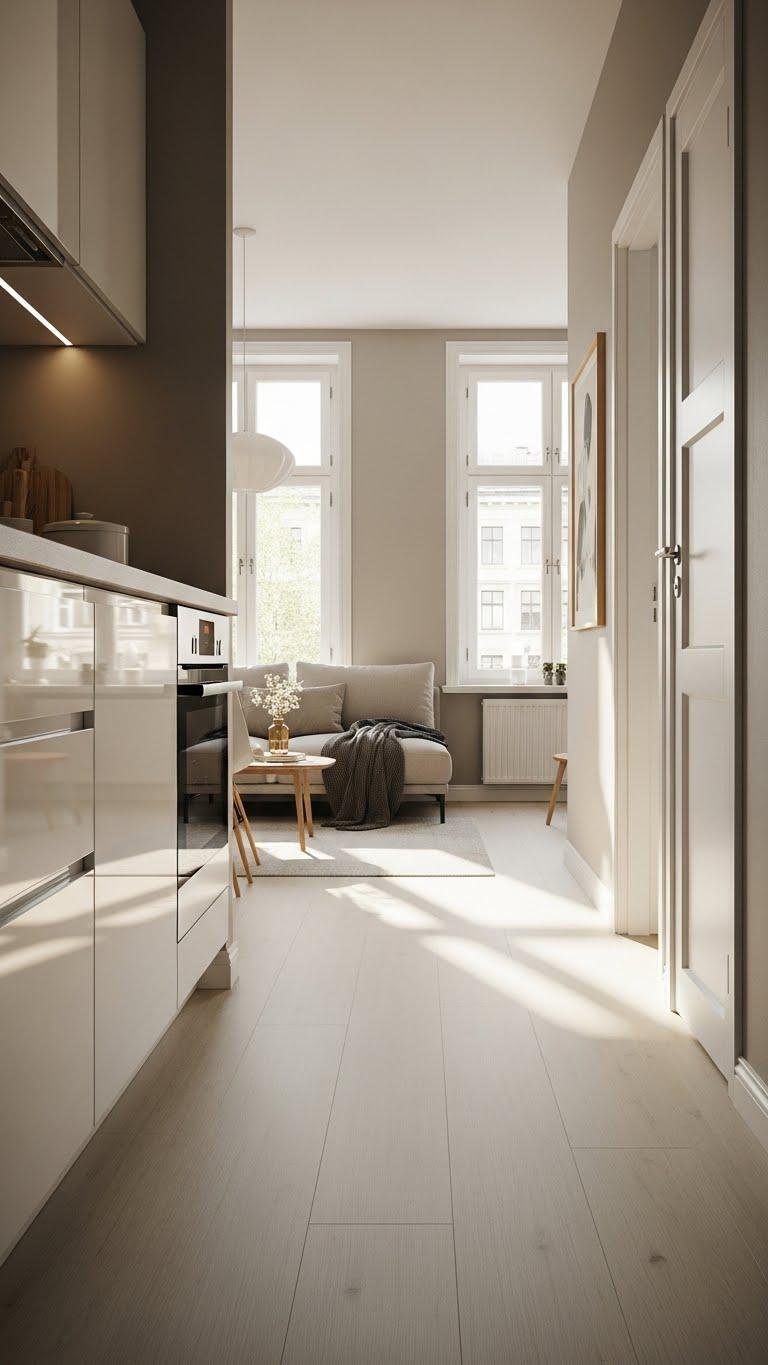
Glossy cabinets help light travel, but your floor can be the quiet glue that holds a small apartment together. Choose continuous flooring to expand sightlines and simplify motion.
You’ll get seamless shifts between kitchen, living, and hall without visual breaks, so spaces feel freer and larger. Stick to a single tone and subtle texture to keep flow and let furnishings breathe.
Define Zones With Rugs, Lighting, and Furniture Placement
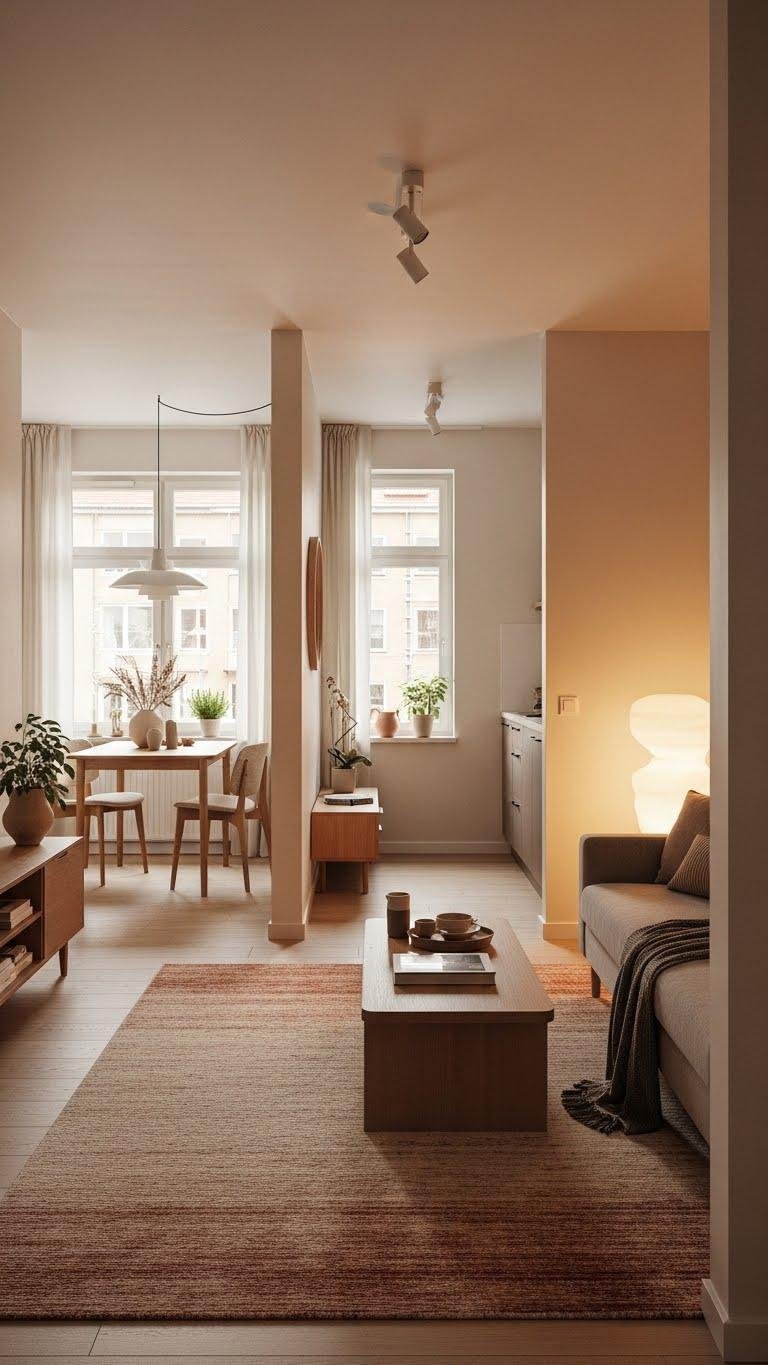
Because open-plan small spaces rely on suggestion more than walls, you can carve distinct zones with a few deliberate moves: layer a textured rug under the seating to anchor the living area, position lighting to create separate pools — a pendant over the dining spot and a floor lamp by the sofa — and arrange furniture so pathways stay clear while seating faces focal points.
Embrace rugs hierarchy and lighting choreography to define flow.
Install Sheer Curtains, Glass Panels, or Sliding Dividers

If you want to keep an open feel while giving each area its own identity, install sheer curtains, glass panels, or sliding dividers to suggest separations without closing off light. You’ll choose sheer partitions or sliding translucents to blur boundaries, maintain airflow, and let sun travel. They’re easy to move, modern, and let you reconfigure space instantly for privacy or flow.
Anchor Zones With Open Shelving or Low Credenzas
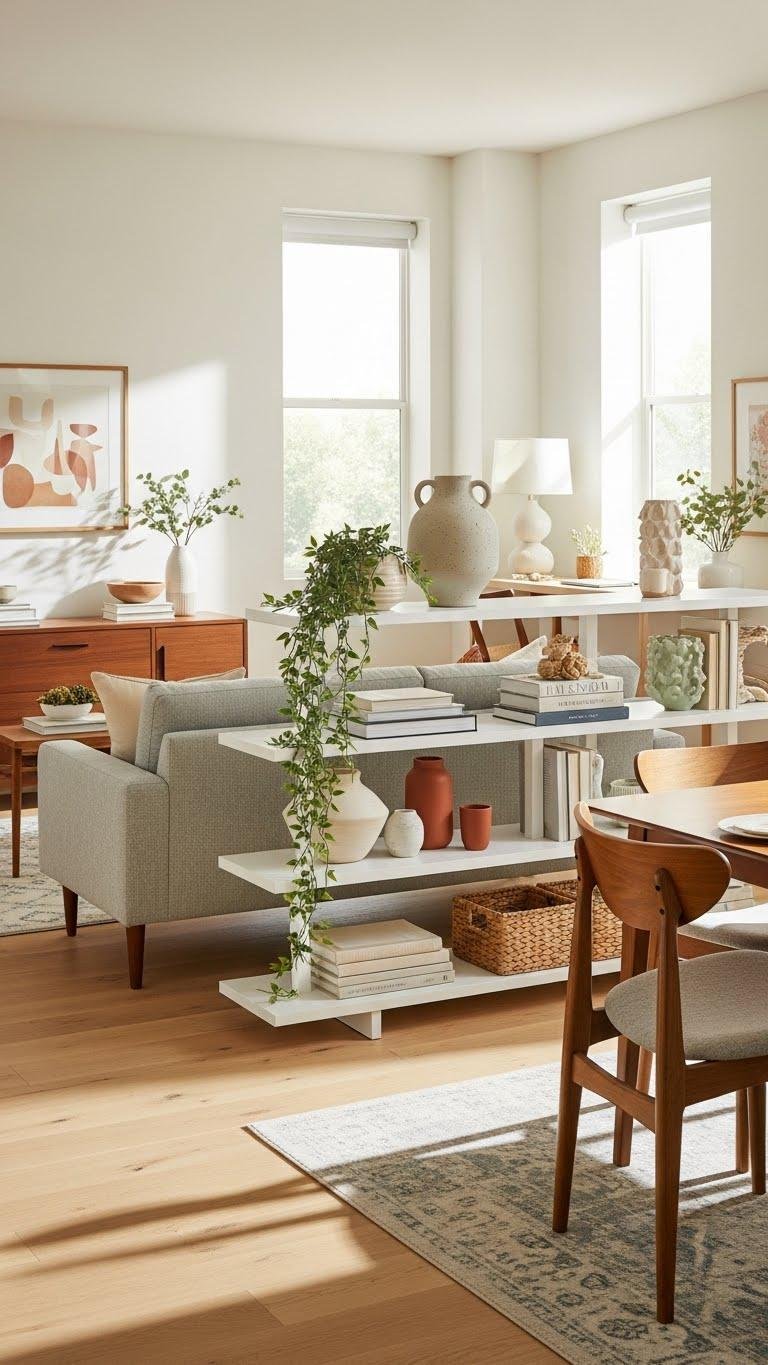
Anchoring zones with open shelving or low credenzas lets you define function without boxing rooms in: place a slim credenza behind a sofa to create a living area, or use staggered open shelves to separate dining from workspace while keeping sightlines clear.
Layer with seasonal styling, mix books, plants, and textured baskets, and keep surfaces low to preserve flow and freedom.
Use Accent Wall Treatments to Signal Different Zones

Alongside low credenzas and open shelving, accent wall treatments give you a clear, low-effort way to define separate zones without adding bulk.
Pick a bold accent paint for a mini dining nook or study corner, or try textured wallpaper behind a bed to suggest intimacy.
These treatments let you carve usable areas, keep sightlines open, and express a free, curated vibe.
Maximize Natural Light With Minimal Window Treatments
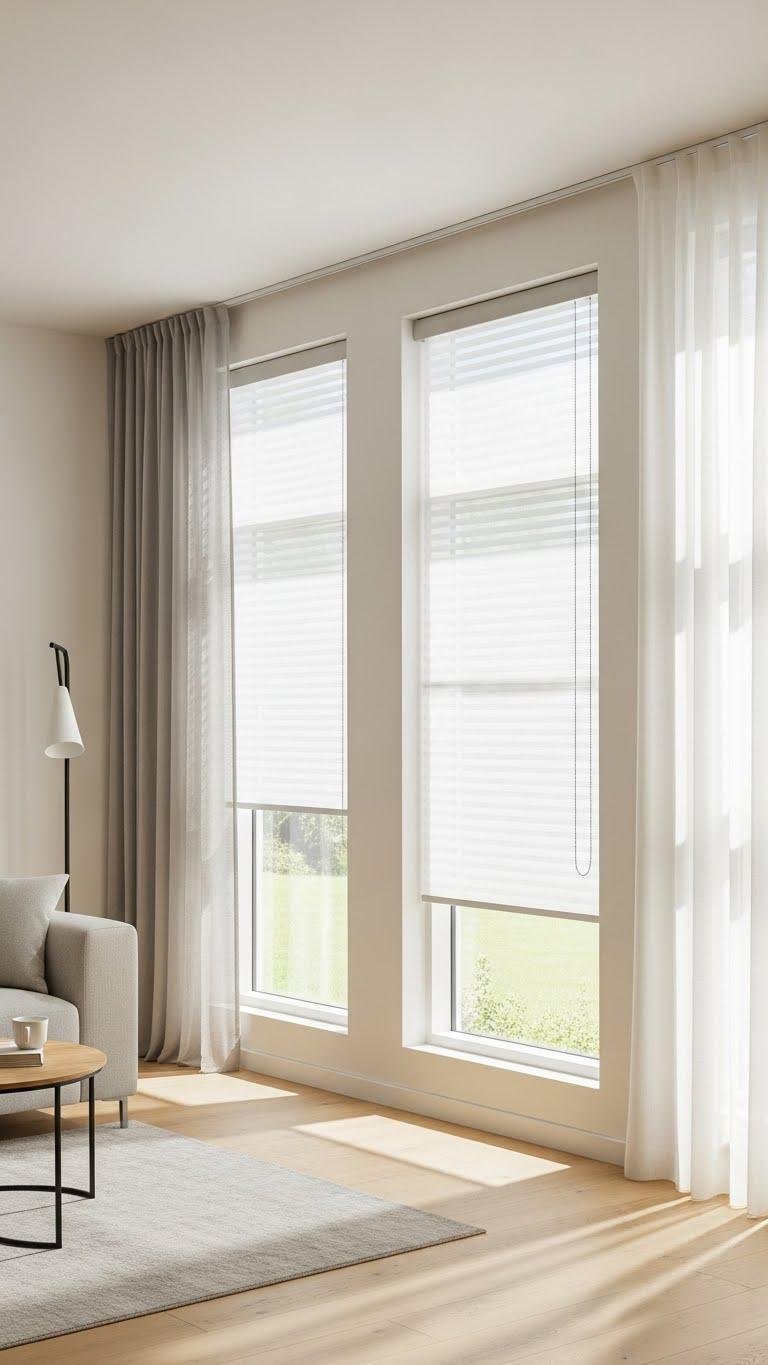
Let light in: choose slim, low-profile treatments—sheer panels, translucent roller shades, or simple blinds—that soften glare without blocking views or daylight.
You’ll favor translucent romanettes for soft diffusion, mount curtains close to the ceiling to enlarge sightlines, and use magnetic window art sparingly to add personality without clutter.
Keep hardware minimal and colors light so rooms feel open and free.
Layer Lighting: Ambient, Task, and Accent
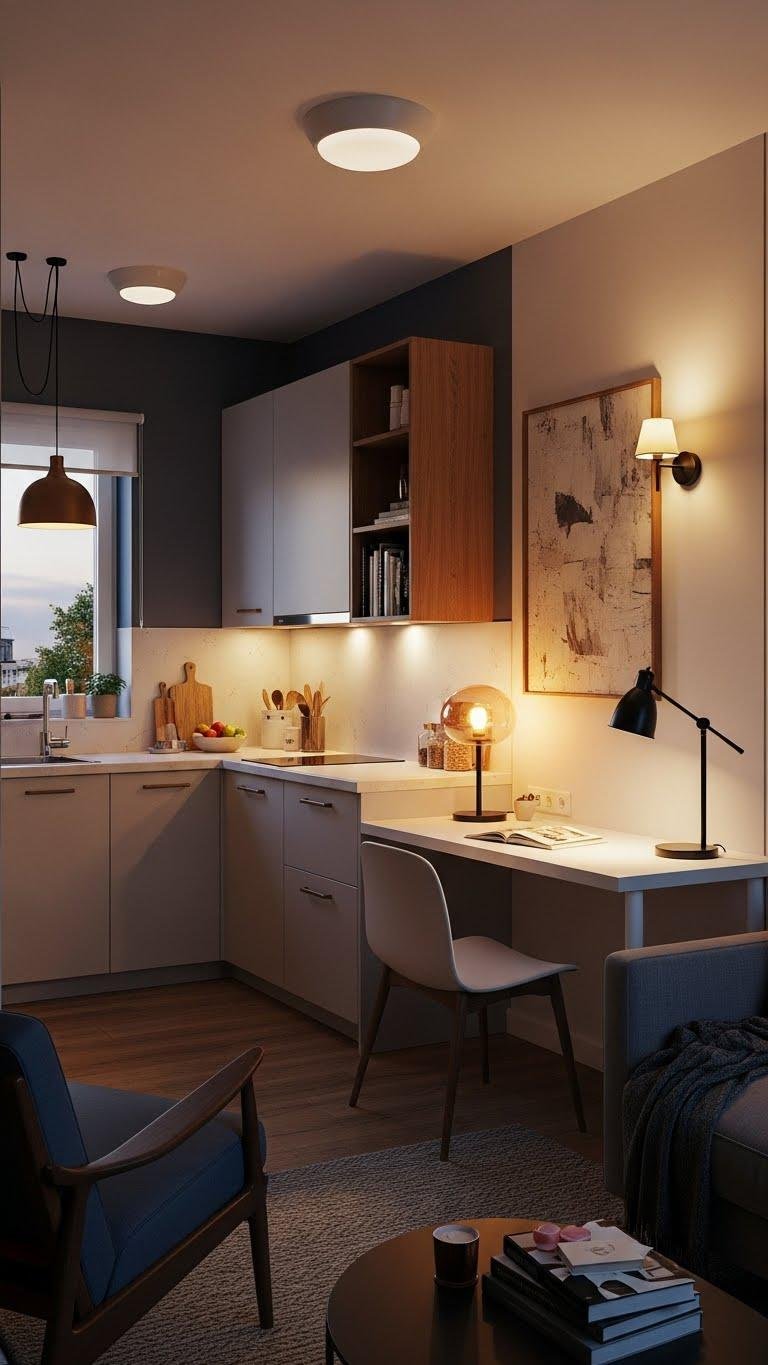
Balancing three light layers—ambient for overall glow, task for work zones, and accent for texture and focal points—keeps a small apartment flexible and visually calm. You’ll mix layered fixtures—pendants, lamps, and wall sconces—to craft zones. Choose color temperature for mood: warm for cozy corners, neutral for living areas, cool for focused tasks. Dimmer switches give you instant freedom.
Use Recessed or Track Lighting to Brighten Corners

Brighten shadowed nooks with recessed or track lighting to make a small apartment feel larger and more functional.
Aim angled fixtures at corners and artwork to open sightlines and add depth. Recessed cans disappear into ceilings; sleek dimmable tracks give flexible direction.
You’ll create airy, usable zones without bulky lamps, keeping freedom of layout and clear sightlines that expand your compact space.
Place Mirrors and Reflective Surfaces to Amplify Light

By angling mirrors and glossy surfaces toward windows and lamps, you’ll bounce daylight deeper into corners and make the whole room feel larger.
Position an angled mirror opposite a window, add a slim mirrored backsplash in the kitchenette, and choose furniture with lacquered tops. You’ll amplify light, expand sightlines, and keep surfaces uncluttered so movement and choices feel free.
Adopt a “One‑in, One‑out” Decluttering Rule

Frequently, the simplest rule keeps a small space feeling calm: for every new item you bring in, let one go.
You’ll feel lighter when you schedule a seasonal purge, scan closets visually, and decide fast.
Set clear donation routines — box, label, drop off — so letting go’s easy.
This habit frees space, clears your mind, and keeps décor intentional.
Use Built‑in Storage: Under‑bed and Toe‑kick Drawers
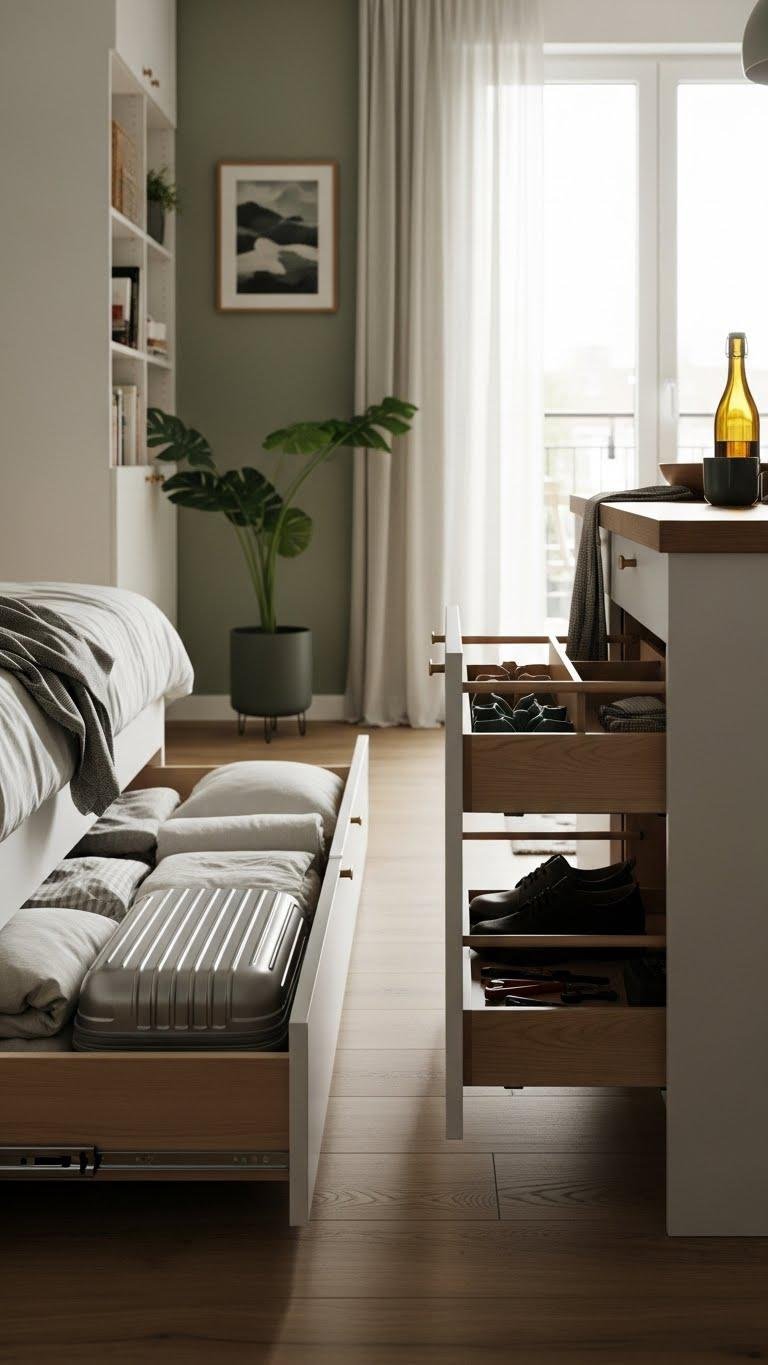
Letting go makes room for smarter storage, so think about where you can hide things rather than stack them. Slide under‑bed hidden drawers keep linens, luggage and off‑season clothes tucked away; toe‑kick drawers under cabinets reclaim floor space for shoes or tools. You’ll free visual clutter, simplify cleaning, and make seasonal rotation effortless — your apartment feels bigger and more liberated.
Categorize and Zone Storage by Activity
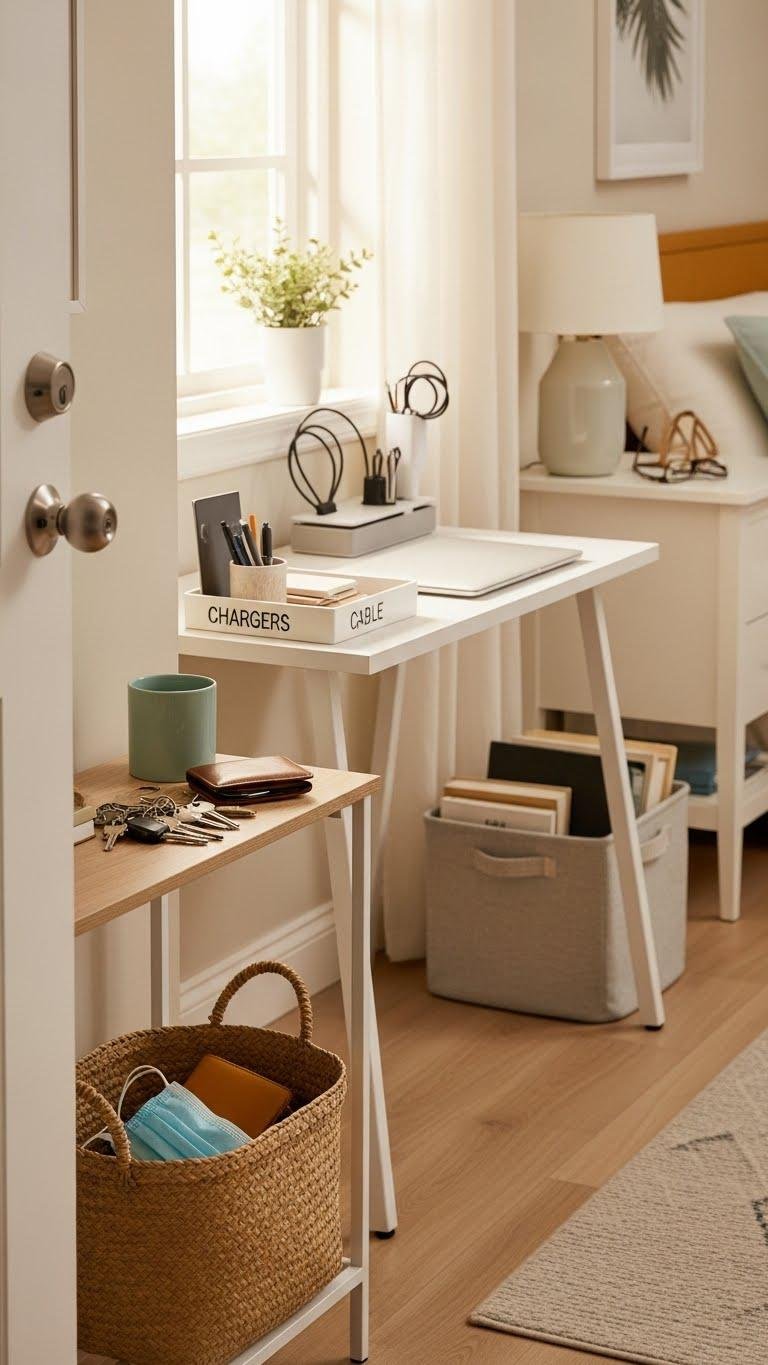
Grouping items by what you do with them makes daily life smoother and keeps surfaces clear.
You’ll create zones—morning, work, evening—using labeled activity bins and task baskets for essentials.
Slide a basket by the door for keys and masks, another near your desk for chargers and pens, and a bedside bin for books and glasses.
It’s liberating and keeps clutter contained.
Reserve Visible Display for Curated Items

Once you’ve corralled daily items into activity bins, pick a few meaningful pieces to keep in sight so your space feels intentional, not cluttered.
You’ll reserve visible display for personal mementos and sculptural objects, arranging them as rotating vignettes.
Limit scale and color, leave negative space, and swap pieces seasonally.
That keeps surfaces calm, meaningful, and easy to refresh for a freer home.