
You’ll learn how to make your living room feel curated without overdoing it: layer warm ochres, terracottas, and mossy greens; pick tactile fabrics like linen and bouclé; anchor seating with proportionate rugs and low-profile sofas; and add thoughtful lighting, millwork, and edited accessories to keep things calm and collected. These 27 ideas are practical and refined — enough to shift the room’s mood immediately, with a few simple moves to try next.
Embrace an Earthy, Layered Color Palette
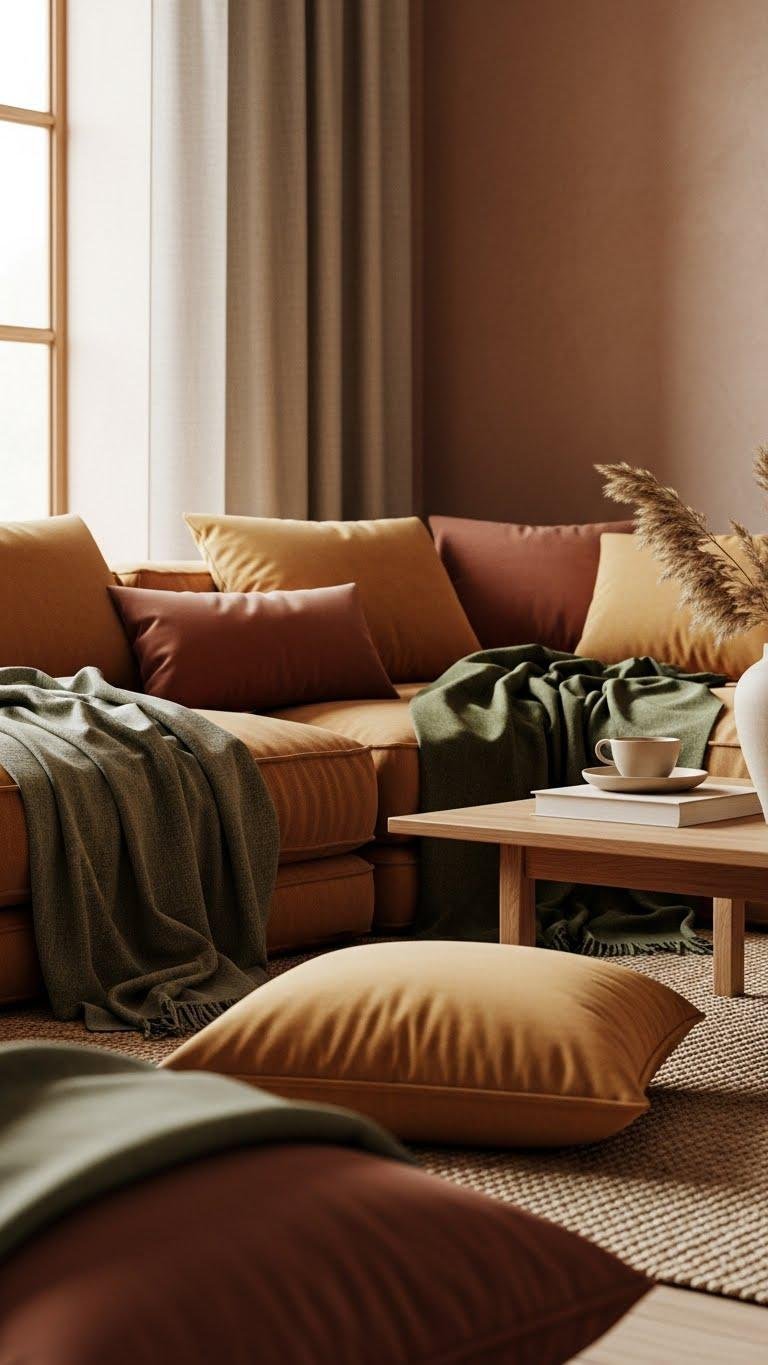
Start with a warm foundation: layer muted ochres, terracottas, mossy greens and soft clay tones to create depth without overwhelming the room. You’ll choose earth tones that ground the space, mixing matte paints with tactile fabrics.
Introduce layered textures—wool throws, linen curtains, woven rugs—to add movement and freedom. Keep contrasts subtle; let cohesion feel effortless and intentional.
Paint Built-Ins for Instant Personality
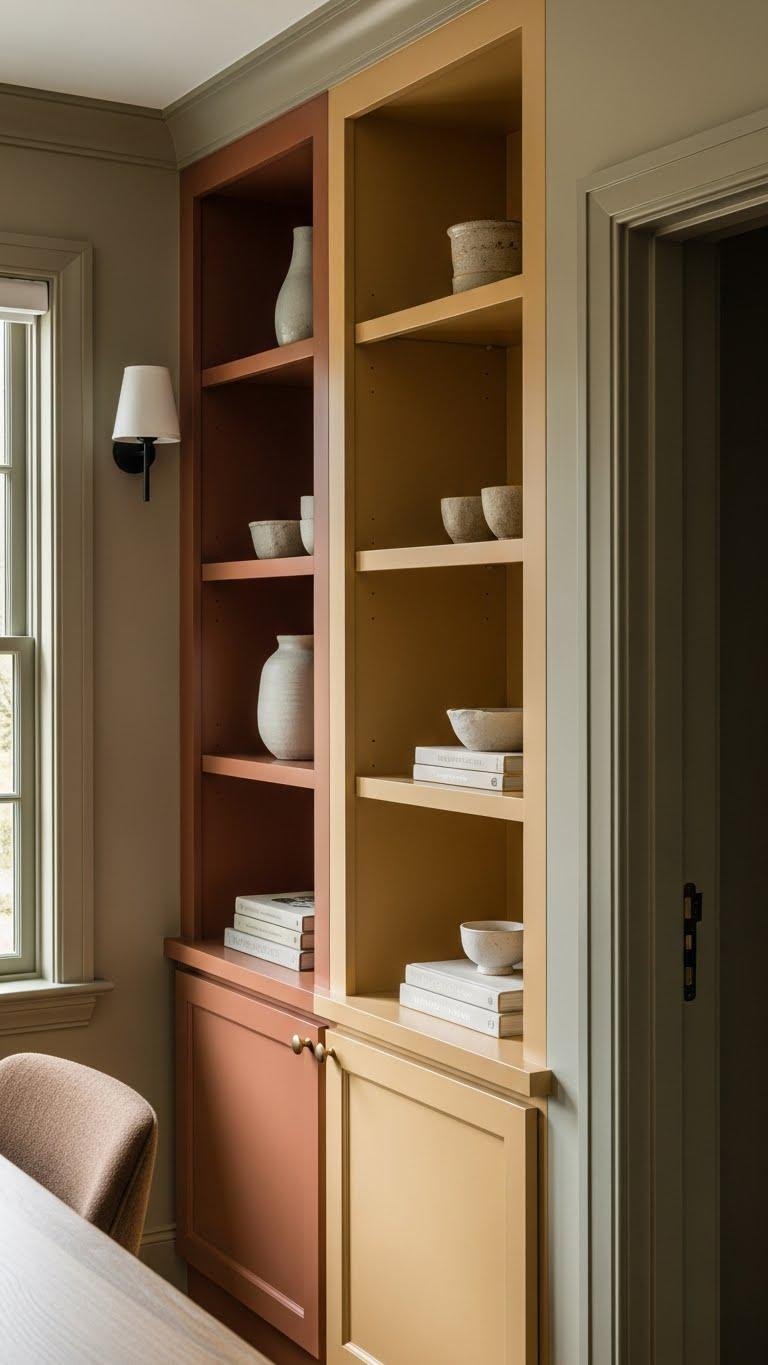
After grounding your palette in warm ochres, terracottas and mossy greens, paint the room’s built-ins to carry that mood with purpose. You’ll create cohesion by choosing muted tones for shelving, then highlight accented trim in a deeper shade. Contrast open shelving interiors with lighter or contrasting interiors to showcase objects.
It’s a bold, freeing move that reads custom and designer-made.
Create a Statement Accent Wall in a Rich Hue
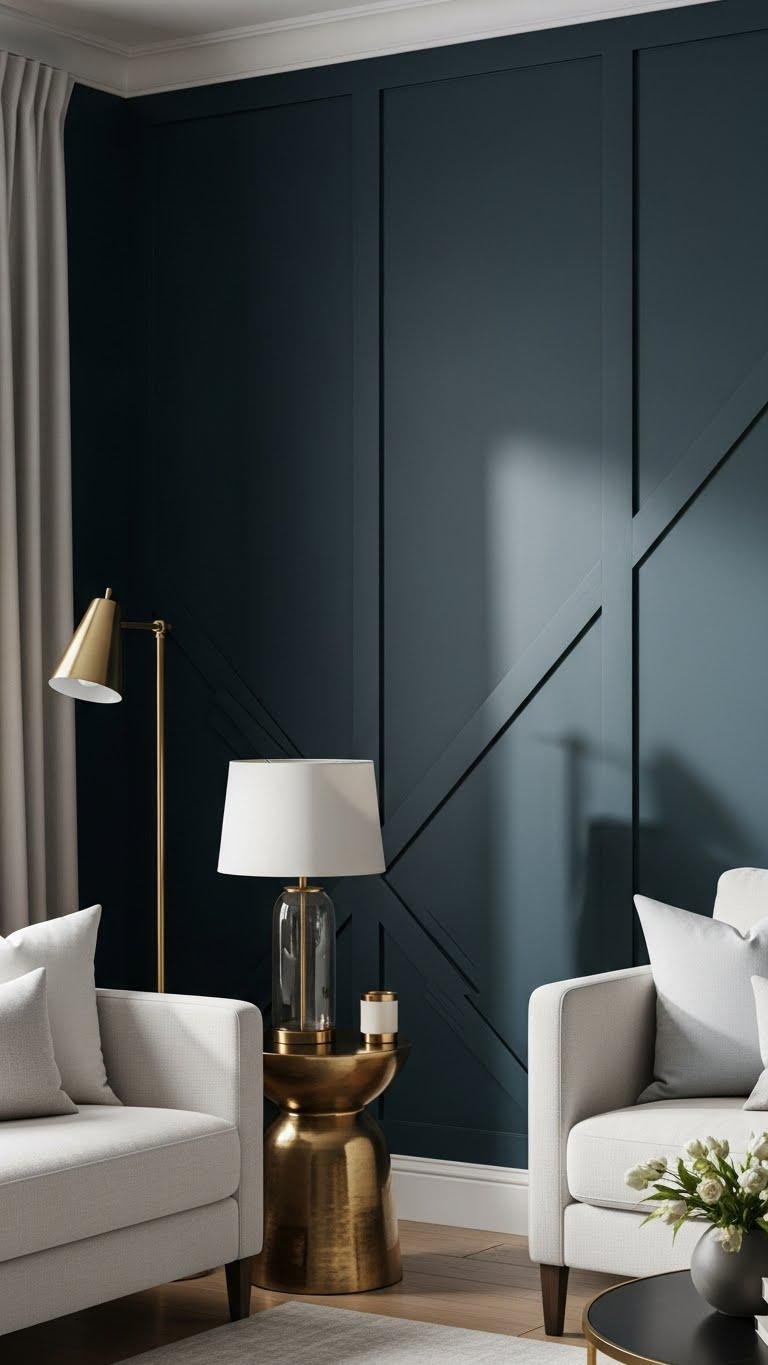
When you paint one wall in a deep, saturated hue—think inky navy, russet, or forest green—you instantly anchor the room and give your furnishings a dramatic backdrop that reads intentional and refined.
Choose a velvet backdrop finish or matte, pair with subtle geometric panelling for depth, and balance with lighter textiles and metallic accents so the space feels bold, liberated, and effortlessly curated.
Drench a Room in a Single Pattern or Color
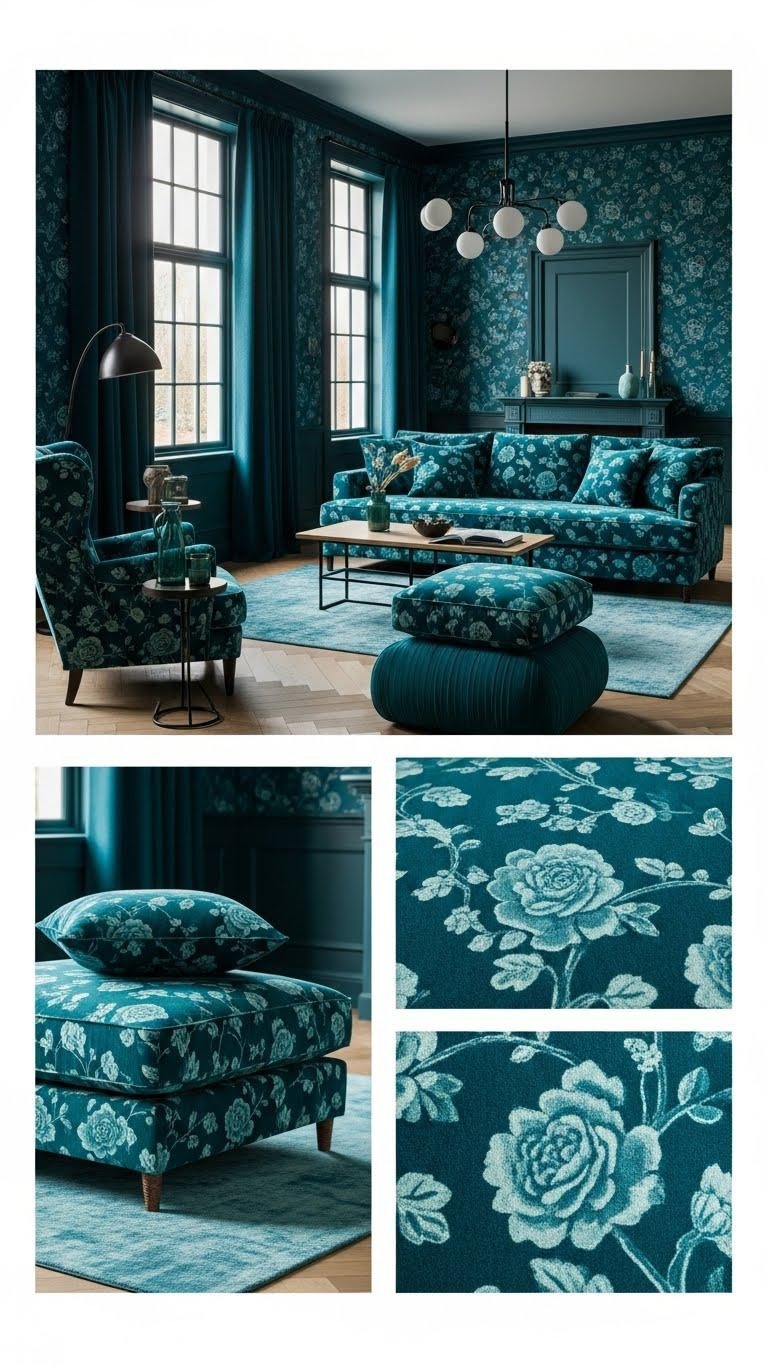
Often the boldest move is the simplest one: drench a room in a single pattern or color to create an immediate, cohesive statement.
Choose monochrome wallpaper or pattern saturated upholstery, then balance scale and texture so the look feels intentional, not overpowering.
Keep trim, lighting, and accessories restrained; let repetition grant freedom and a confident, designer-finished vibe you’ll actually live in.
Choose Sculptural, Curved Furniture
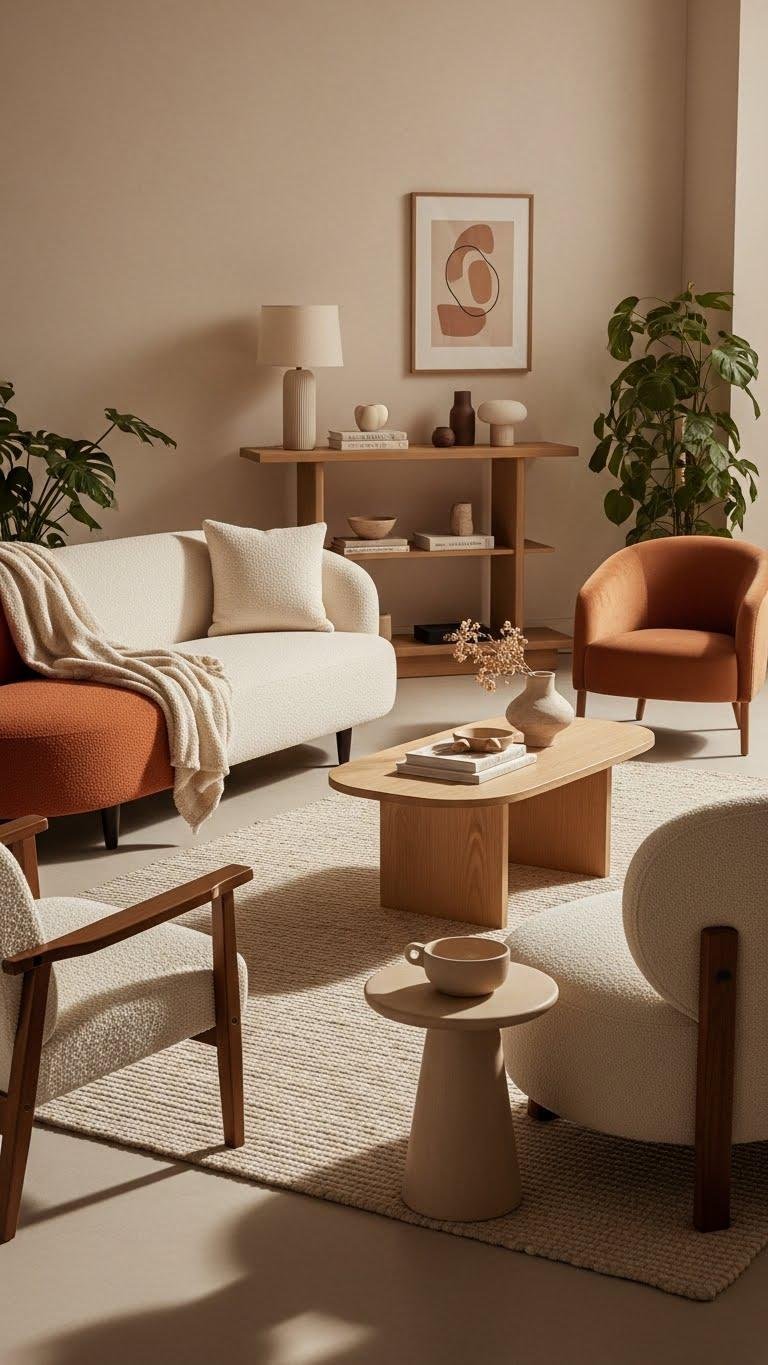
Embrace sculptural, curved furniture to soften the room’s geometry and introduce an artisanal, modern silhouette that still feels inviting. Choose pieces with rounded silhouettes and subtle asymmetric curves to create movement without chaos. Mix tactile upholstery and clean finishes, position pieces to encourage conversation, and let unique forms act as focal points so your space feels liberated, intentional, and effortlessly chic.
Opt for Low-Profile Seating to Open Sightlines
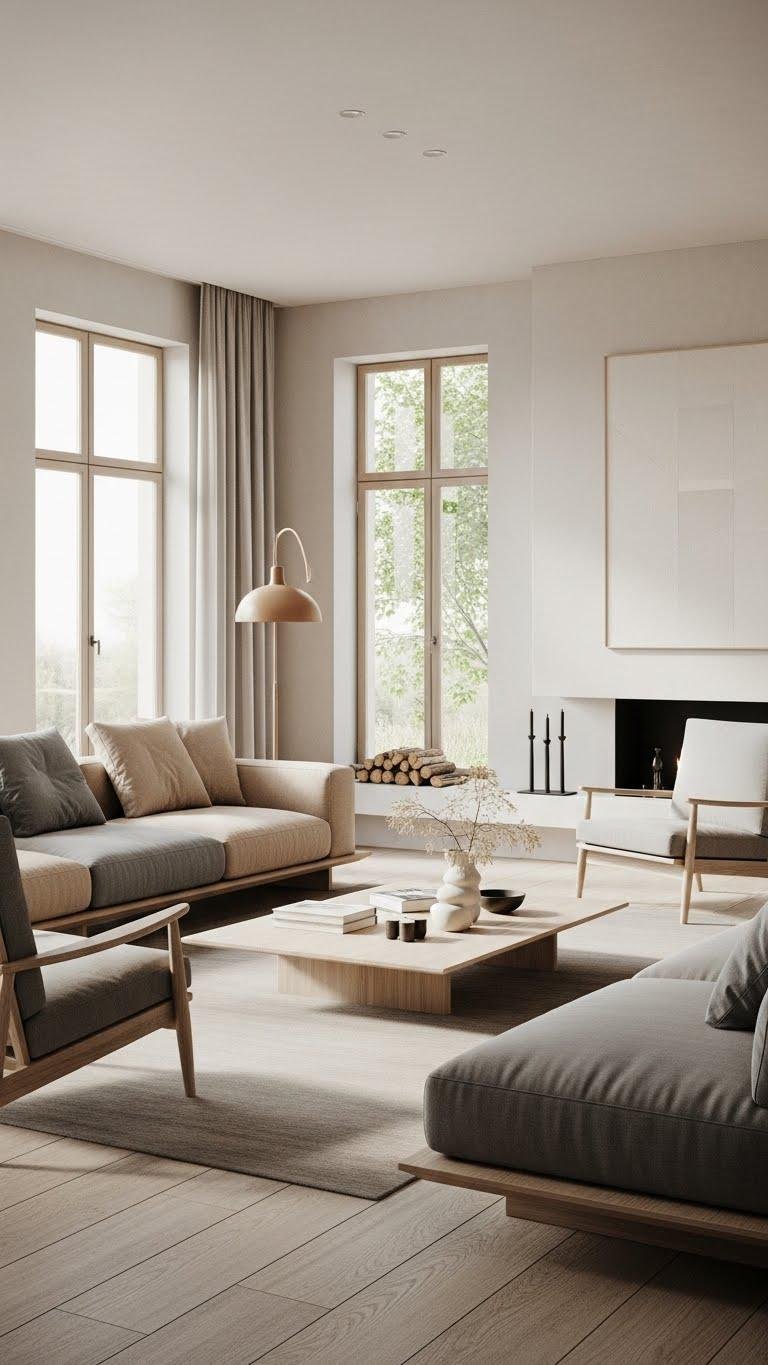
Because low-profile seating keeps sightlines open, you’ll make the room feel larger and more connected without sacrificing comfort.
Choose low profile, low slung sofas and chairs that hug the floor to preserve visual flow and uncluttered perspectives. Position pieces with generous negative space, orienting seating toward focal points so open sightlines and relaxed proportions create a liberated, designer-finished room.
Mix Maximalist Patterns With Textural Neutrals

Low-profile seating opens sightlines and gives you a calm canvas to introduce bolder elements; now balance that serenity by pairing maximalist patterns with textural neutrals. You’ll mix pattern layering—large florals, geometrics, ikat—anchored by neutral textures like boucle, linen, and raw wool.
Curate scale and repeat hues subtly so the room feels liberated, cohesive, and intentionally edited rather than chaotic.
Anchor the Space With an Appropriately Sized Rug
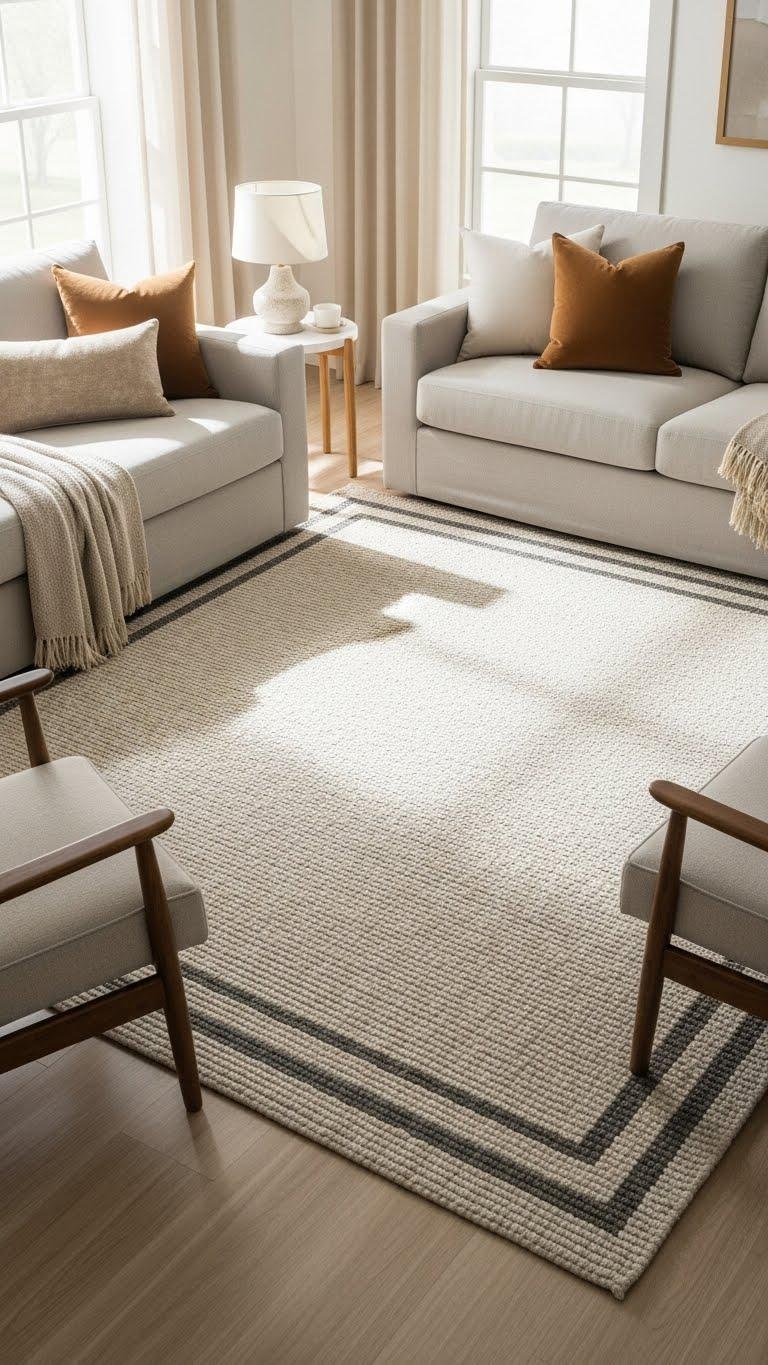
Choose a rug that defines the seating area and sets the room’s scale—don’t pick something that disappears under furniture or floats awkwardly in open floor.
You’ll favor proportionate layering: leave consistent borders, let front legs sit on the rug, and coordinate textures. Rug anchoring gives cohesion, guides traffic, and frees you to mix scale confidently while maintaining intentional, airy composition.
Layer Lighting: Ambient, Task, and Accent
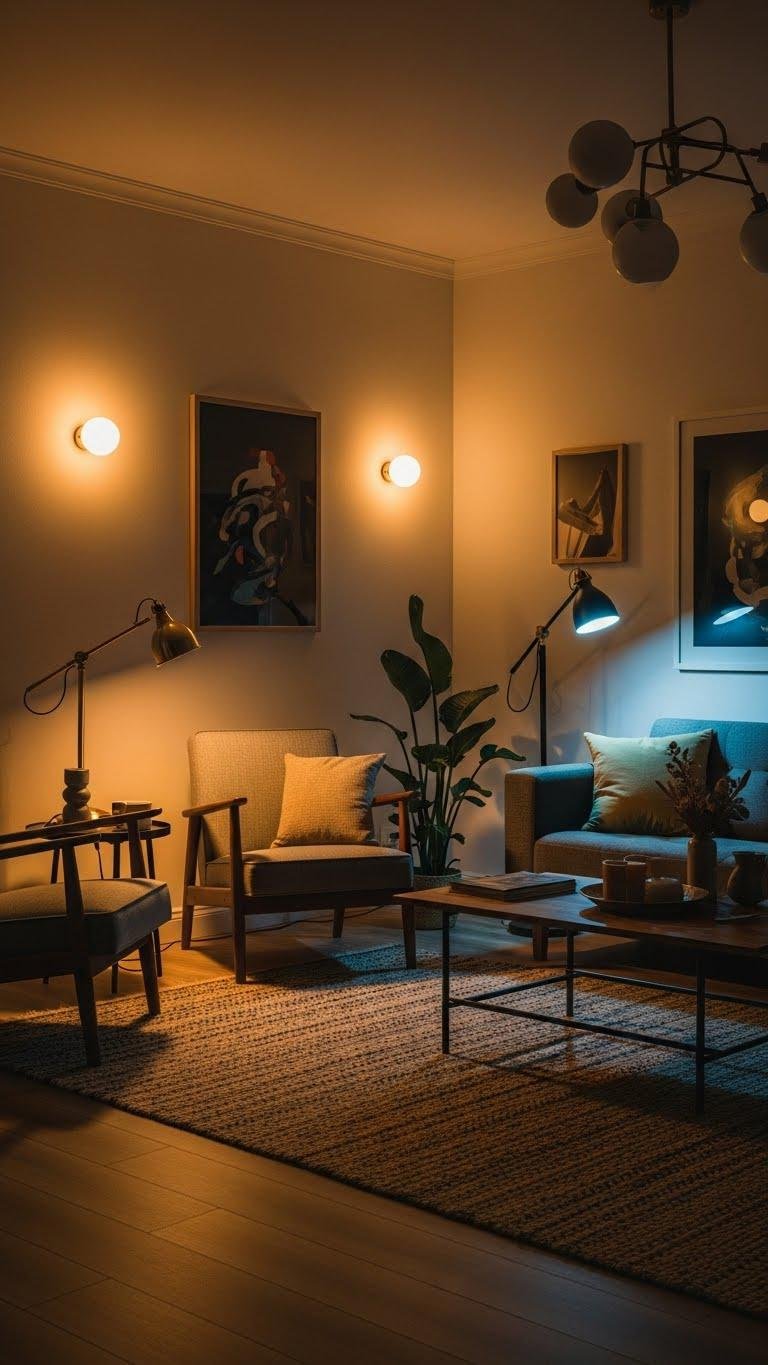
With the rug anchoring your seating area and defining scale, lighting becomes the next tool to shape mood and function—layer ambient, task, and accent sources so each part of the room reads clearly.
Use layered sconces for even warmth, adjustable task lamps for reading and work, and subtle colored uplighting to sculpt corners or art. Balance dimmers and placement for effortless, liberated control.
Install Sculptural Statement Lighting

Make a bold lamp the room’s centerpiece by installing a sculptural fixture that speaks to your style and anchors the seating arrangement; it should read like art and function like light.
Choose artisan pendants for intimate corners or kinetic chandeliers to inject movement.
Mount at human scale, balance proportion, and use dimmable bulbs so the piece liberates your space while controlling mood and glare.
Curate a Gallery-Style Art Display
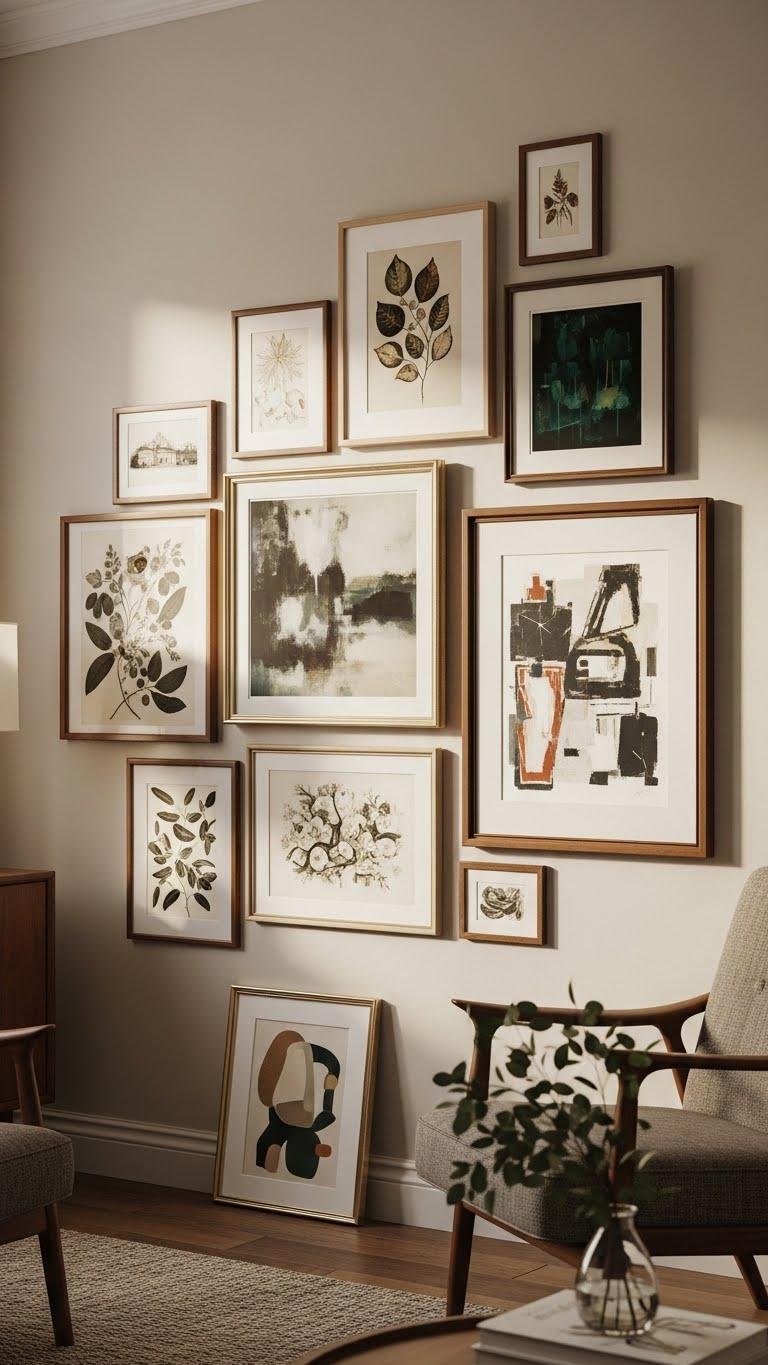
Although you might think a gallery wall requires perfection, treating your living room art like a curated exhibition lets each piece breathe and amplify the room’s personality.
Mix scales, use layered frames for depth, and choose a neutral backing to unify diverse works. Hang slightly off-center, vary spacing, and swap pieces seasonally so your display feels intentional, relaxed, and fully yours.
Use Tactile Fabrics Like Bouclé and Velvet
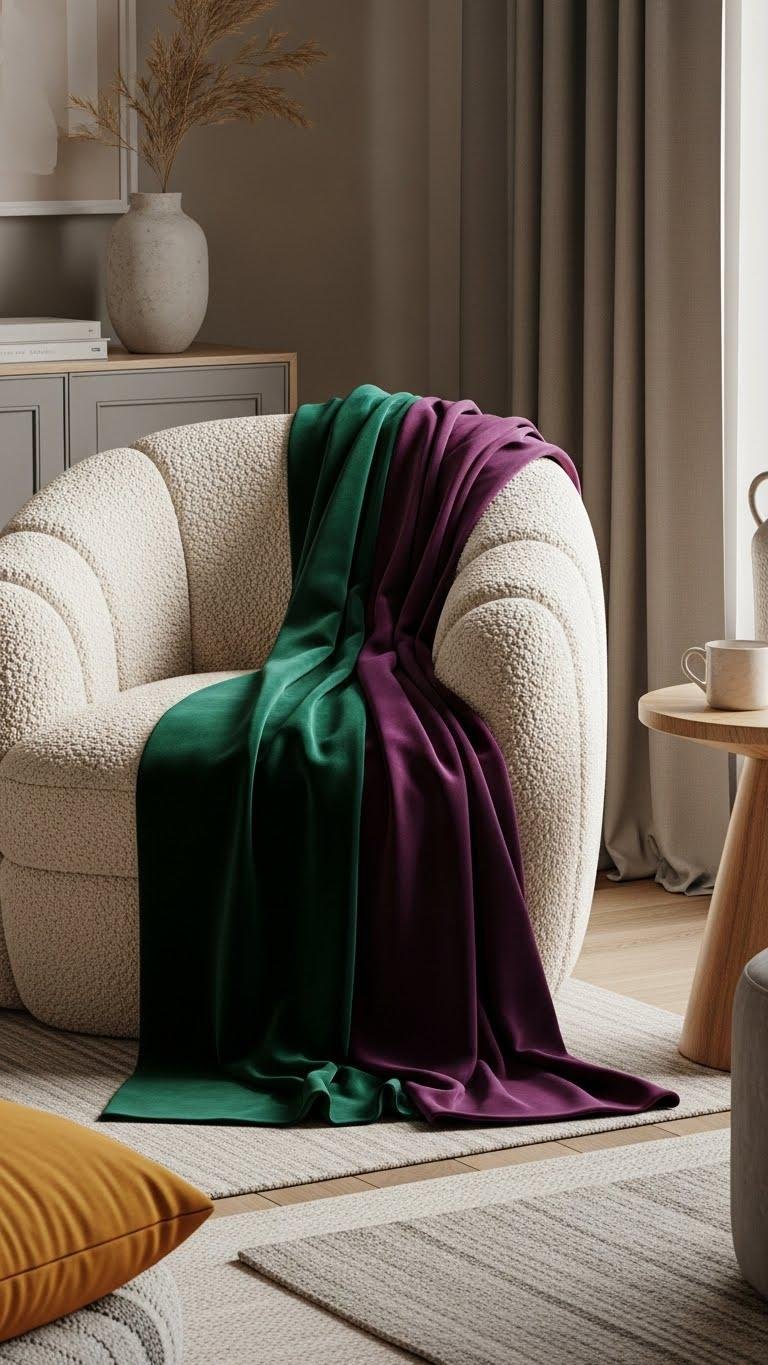
Often you’ll find tactile fabrics like bouclé and velvet transform a room by adding immediate warmth and layered texture.
You can anchor seating with bouclé chairs for sculptural comfort, then drape velvet throws to introduce color and luxe softness.
Mix scale and neutral palettes, choose durable blends, and let touch guide placement so the space feels liberated, inviting, and effortlessly refined.
Combine Mixed Materials for Contrast

Bring together contrasting materials to give your living room depth and visual tension—pair warm woods with cool metals, matte stone with glossy ceramics, or raw linen with polished leather.
You’ll balance metal wood accents, a blown glass vase, and ceramic trays against reclaimed timber. Mix scales and finishes, let one element dominate per vignette, and edit freely for a liberated, curated look.
Define Distinct Zones for Seating, Work, and Media
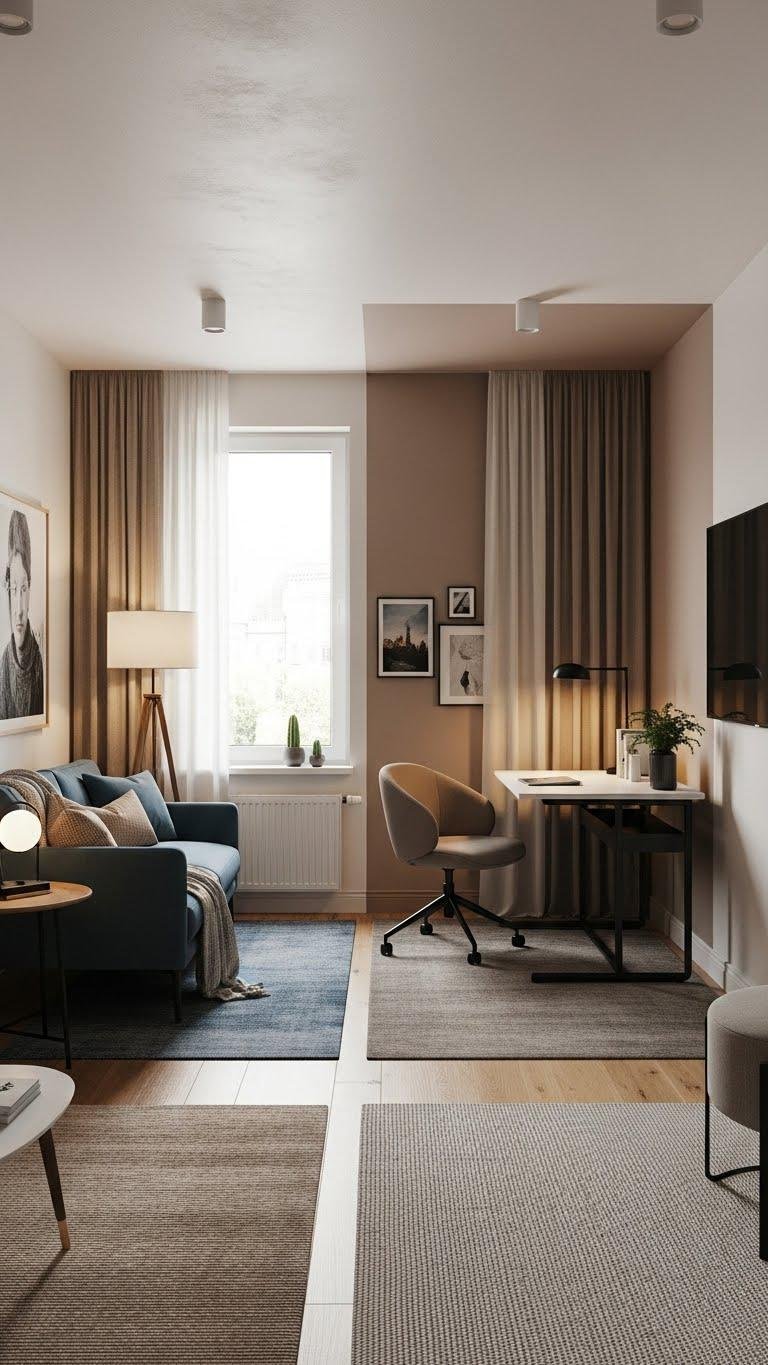
When you delineate seating, work, and media areas deliberately, the room reads as a series of purposeful moments rather than a single cluttered space. You’ll craft a conversation nook with a compact sofa and lamp, anchor each zone with zoning rugs, and orient the media area for glare-free viewing. Keep workstation elements tidy and portable so the layout stays flexible and free.
Add Biophilic Touches: Plants and Natural Light
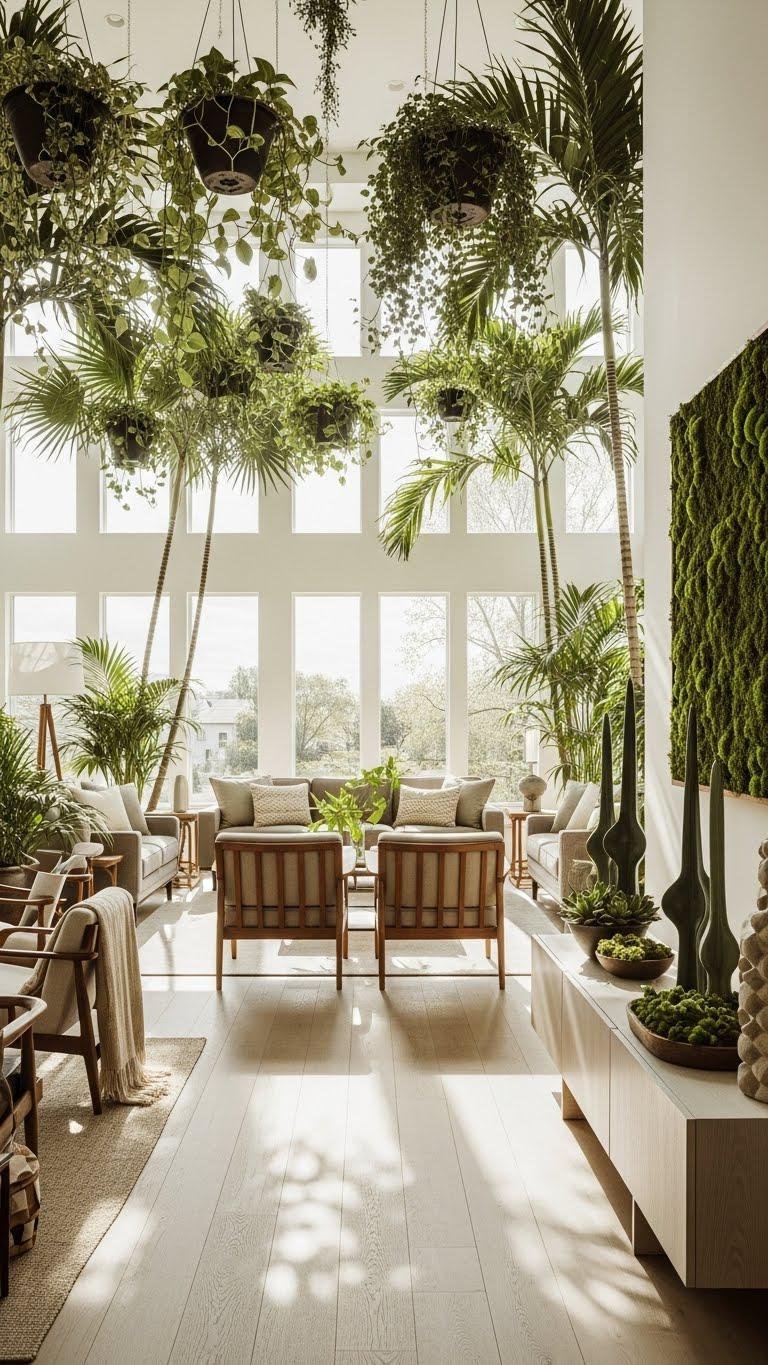
Introduce greenery and daylight to soften hard lines and boost wellbeing—place plants where they’ll thrive and arrange seating to make the most of natural light. You’ll create an indoor canopy with tall palms or hanging pots, curate low-maintenance clusters for effortless abundance, and use moss art or sculptural succulents to add texture.
Keep layouts airy so light and foliage feel liberating.
Feature a Natural-Texture Wall (Wood or Stone)
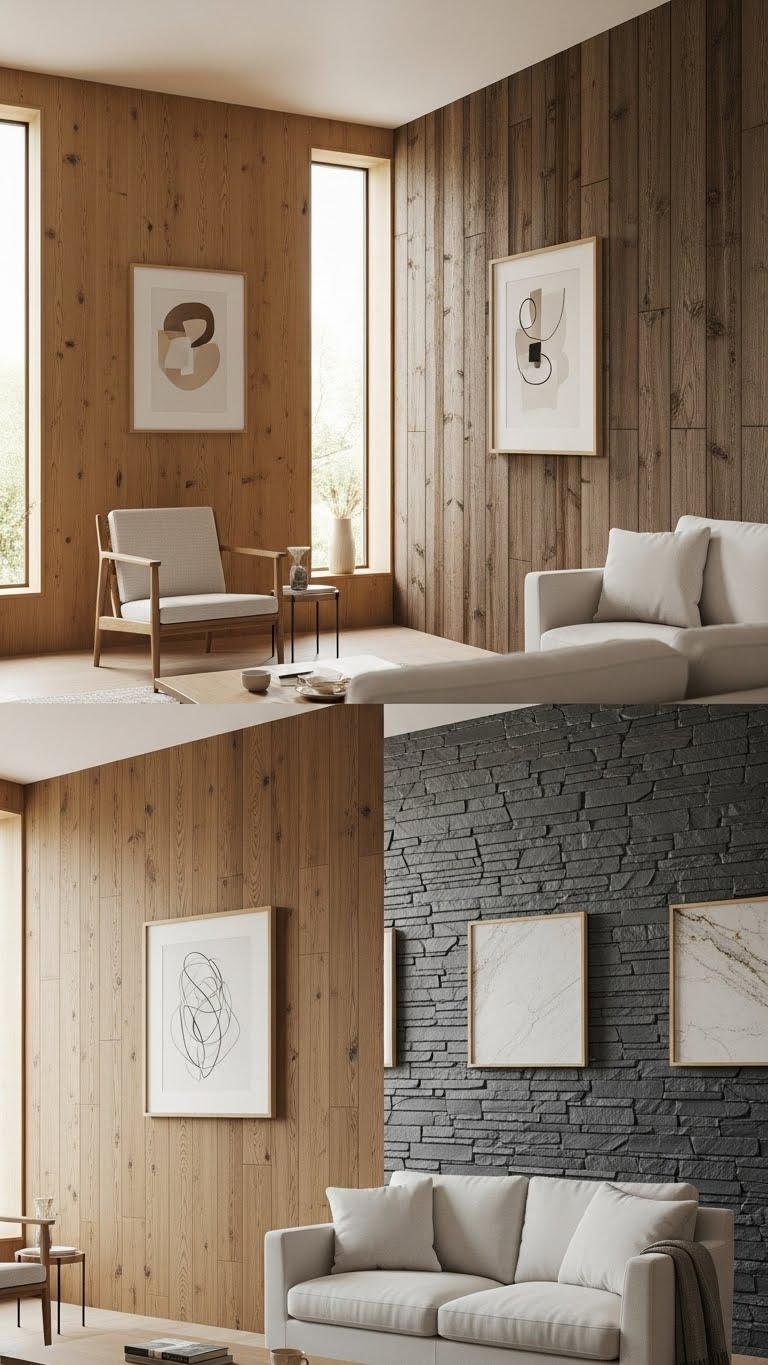
Anchor your living room with a natural-texture wall in wood or stone to add tactile warmth and visual depth—choose a grain-forward oak panel, reclaimed planks, or a honed stone slab depending on the room’s scale and light.
Use reclaimed timber for patinaed character or stacked slate for rugged contrast. Keep finishes matte, arrange minimal art, and balance with airy furnishings to preserve freedom and calm.
Select a Timeless, Well-Proportioned Sofa
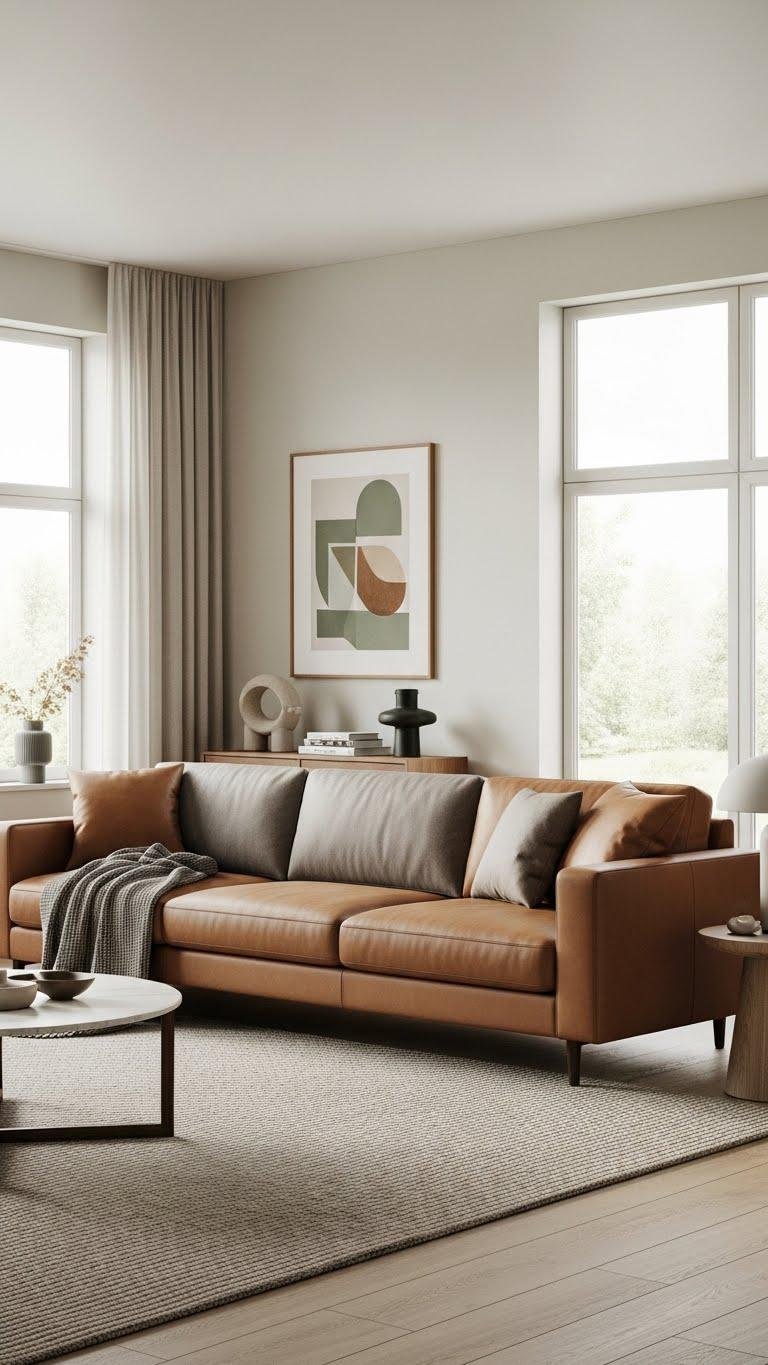
Pick a sofa that balances scale, silhouette, and comfort so it reads as a deliberate centerpoint rather than just seating. Choose proportions that allow flow and sightlines, honoring scale balance with low arms or generous depth as needed. Prioritize clean lines, enduring shapes, and fabric durability—stain-resistant weaves or leather—so your sofa feels liberated, timeless, and effortlessly refined.
Introduce Multifunctional Furniture Pieces
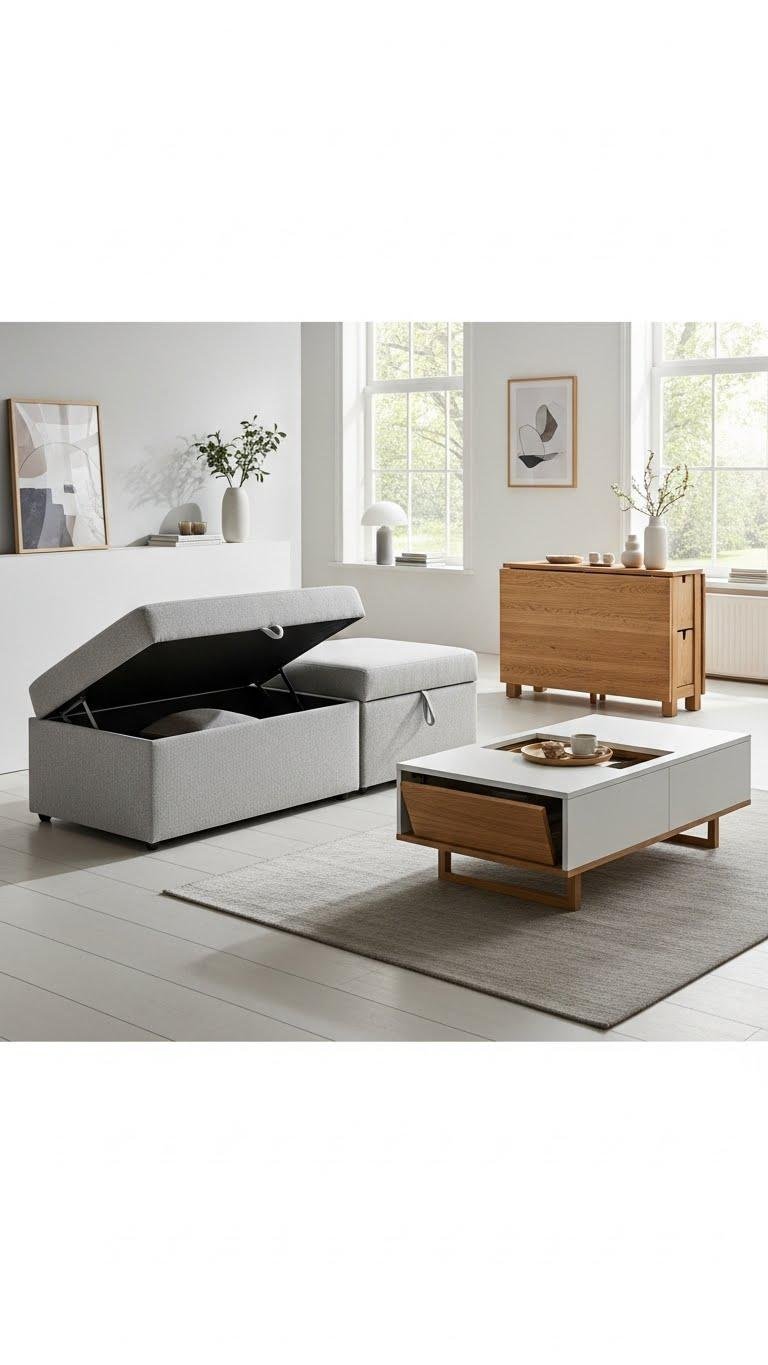
With smartly chosen multifunctional pieces, you’ll keep the room uncluttered while adding real utility—think a storage ottoman that doubles as extra seating, a slim console that unfolds into a dining table, or a coffee table with concealed compartments.
Choose a convertible ottoman for hidden storage and seating, and a folding desk that tucks away when not in use. Prioritize clean lines and effortless movement.
Layer Accessories With Books, Ceramics, and Finds
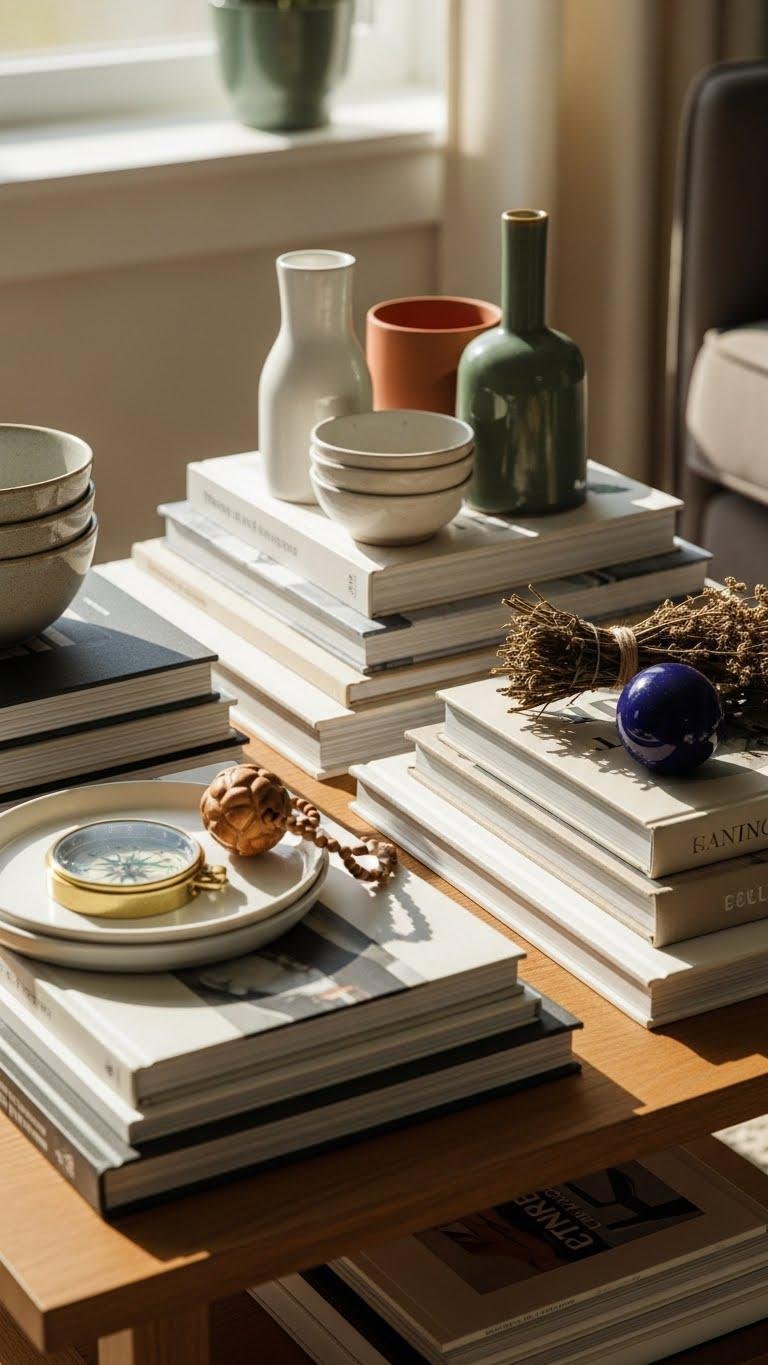
Layer in books, ceramics, and small finds to give your living room personality and a considered, collected look. Mix vintage ceramics with sleek modern pieces, anchor groupings on stacked coffee tablebooks, and vary heights for movement. Keep palettes intentional, limit repeats, and let one unexpected object suggest wanderlust. You’ll create a liberated, curated space that feels lived-in, fresh, and unmistakably yours.
Use Matte, Tactile Finishes Over High-Gloss

After you’ve stacked books and balanced ceramics to create a tactile vignette, carry that sensory approach across finishes: matte surfaces absorb light and invite touch, while high-gloss shouts and shows every fingerprint.
Choose matte ceramics and textured plaster for walls and accents so your room feels grounded, calm, and lived-in. You’ll enjoy surfaces that age gracefully and encourage relaxed, tactile interaction.
Create Vignettes With Statement Side Tables

Pick a statement side table that anchors a vignette and you’ll instantly give a corner purpose and personality. Choose sculptural silhouette and tactile finish, then layer a lamp, art stack, and metallic accents for contrast. Use layered trays to organize small items and curate a mood — a candle, a book, a plant — so the vignette feels effortless, personal, and free rather than cluttered.
Choose One Bold Statement Piece Instead of a Matchy Set
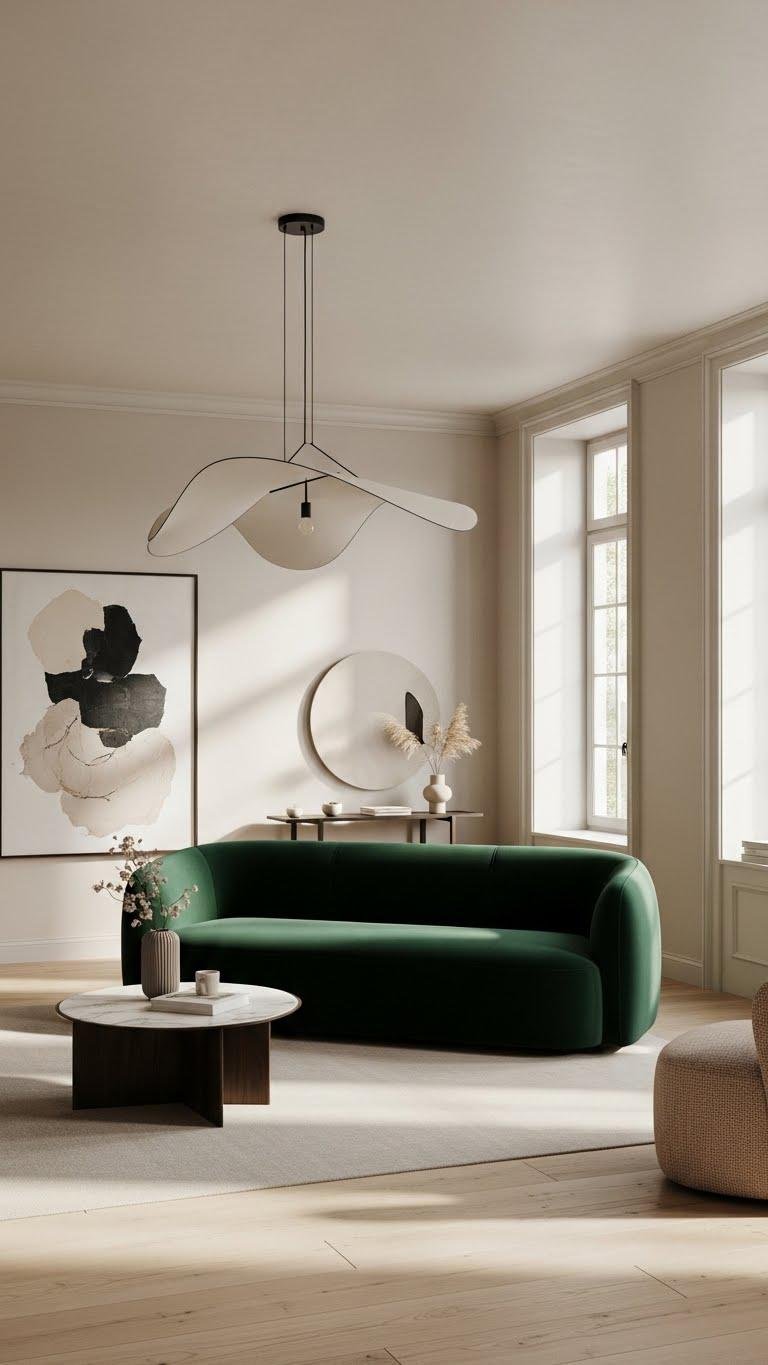
When you choose one bold statement piece instead of matching everything, you create instant focus and let the room breathe; a singular sculptural sofa, oversized armchair, or dramatic light fixture can set the tone and allow surrounding items to play supporting roles.
Pick one focal item—an oversized artwork or patterned ottoman—and keep other pieces restrained so your statement breathes, anchoring the space with confident simplicity.
Opt for Warm Browns, Deep Greens, and Soft Beiges

A single bold piece sets the room’s mood, and you can reinforce that mood by layering a palette of warm browns, deep greens, and soft beiges to create depth without competing for attention. Choose warm mahogany furniture, pair it with olive accents in pillows or a rug, and mix soft beige textiles.
You’ll achieve a grounded, breathable space that feels curated yet free.
Dress Windows to Preserve Daylight and Privacy
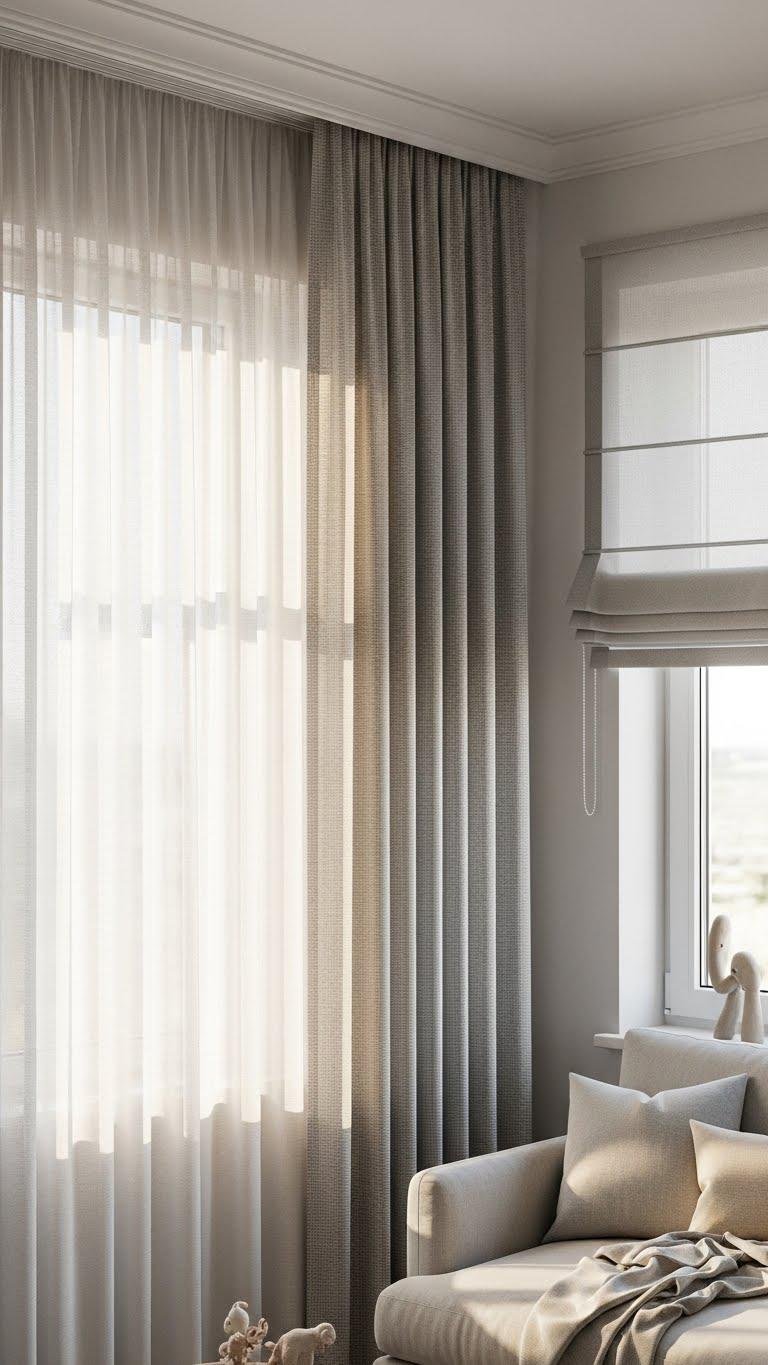
How can you let daylight linger without sacrificing privacy? Choose layered treatments: lightweight sheers for sheer privacy that diffuse sun and maintain views, paired with a tactile curtain for evening.
Fit slim tracks for clean lines, or install a cordless roman for a liberated, child-safe look. Aim for natural fabrics and neutral tones to keep the room airy, calm, and intentionally uncluttered.
Add Hidden Storage to Reduce Visual Clutter
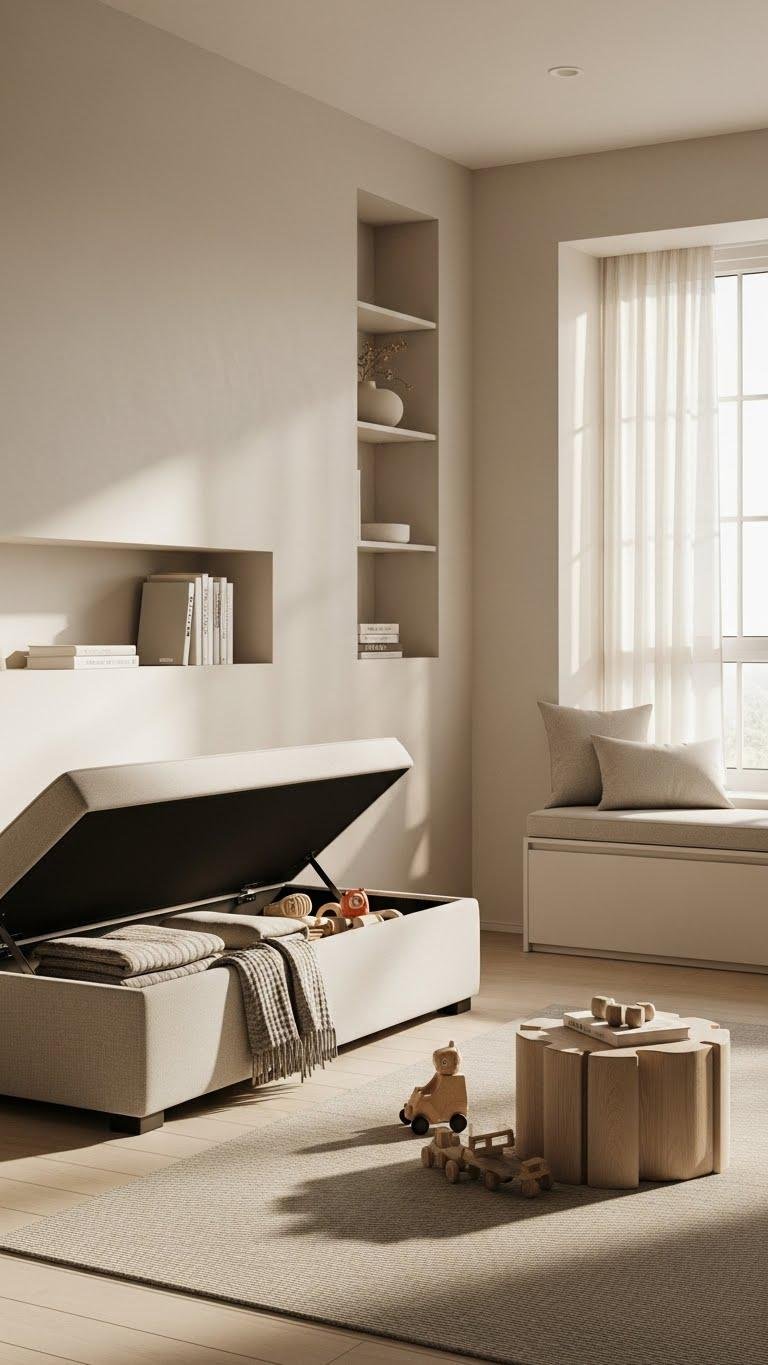
Soft window layers keep sightlines calm, and the next step is to remove what still competes for attention: visible stuff.
Give yourself freedom with concealed solutions—choose a hidden ottoman for throws and toys, add recessed shelving to tuck books flush with the wall, and use low-profile storage benches.
These moves simplify surfaces, emphasize form, and make the room feel intentionally uncluttered.