
You can make rooms feel both stylish and comfortable by starting with warm neutrals—soft taupes, creamed whites, light wood—and layering texture, scale, and a few muted jewel accents. Aim for deep, low seating, mixed-scale rugs to define zones, sculptural lighting with dimmers, and edited vignettes that balance plush textiles and hard natural pieces. Stick around for 27 practical ideas that help you simplify without losing personality.
Embrace Warm Neutrals for a Cozy Minimalist Base

When you build a minimalist room around warm neutrals, you get a cozy, lived-in feel without clutter. You’ll choose soft taupes and creamed whites, letting texture do the talking. Use linen layers on seating and simple wooden accents to keep lines clean while inviting touch. You’ll edit boldly, keep surfaces calm, and create a freeing, serene background that supports living well.
Layer Rugs to Define and Soften Zones
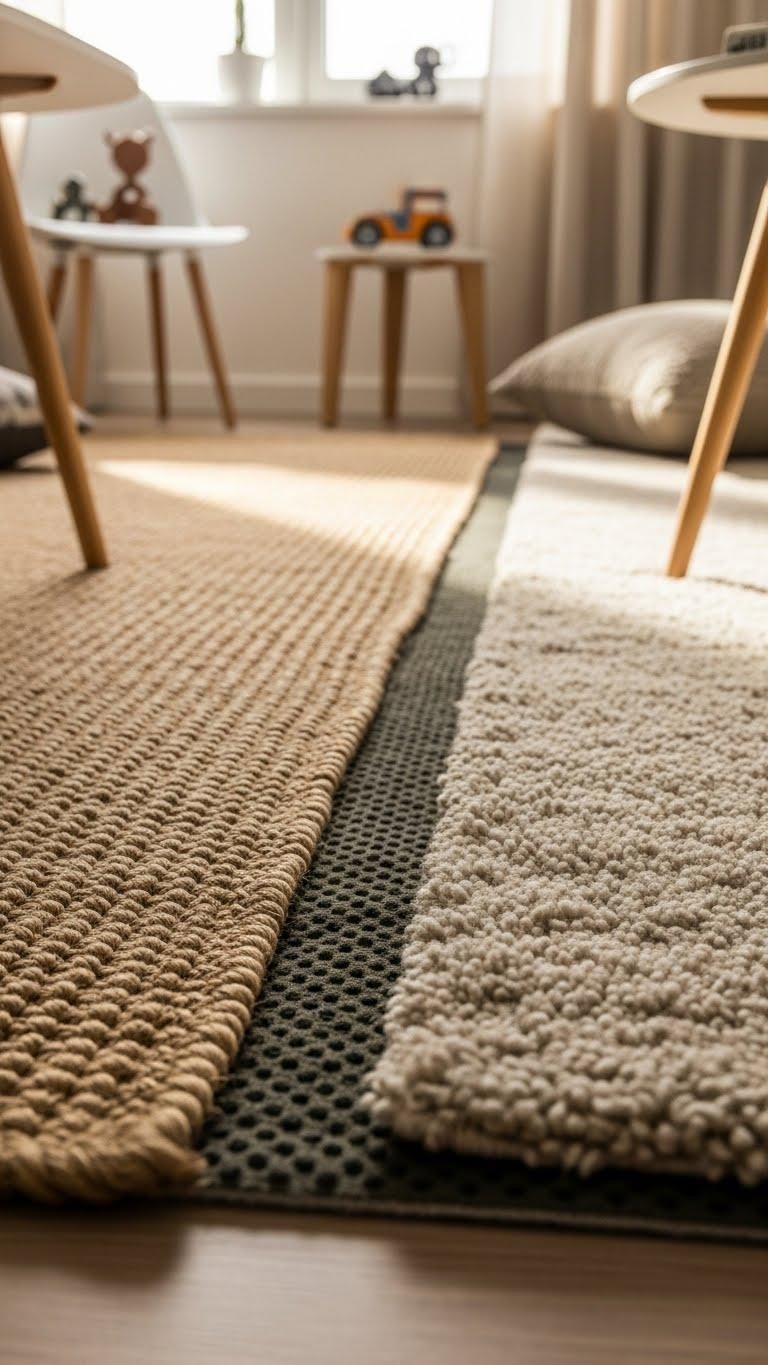
Layering rugs gives you an instant way to define zones and add softness without changing furniture. Mix textures and scale for crisp color contrast—natural jute beneath a plush wool creates depth. Keep edges tidy with a non slip underlay so layers stay put as you move.
You’ll create flexible, cozy areas that feel deliberate yet free, perfect for playful layouts and calm lounging.
Choose Low‑Profile Furniture to Open Small Rooms
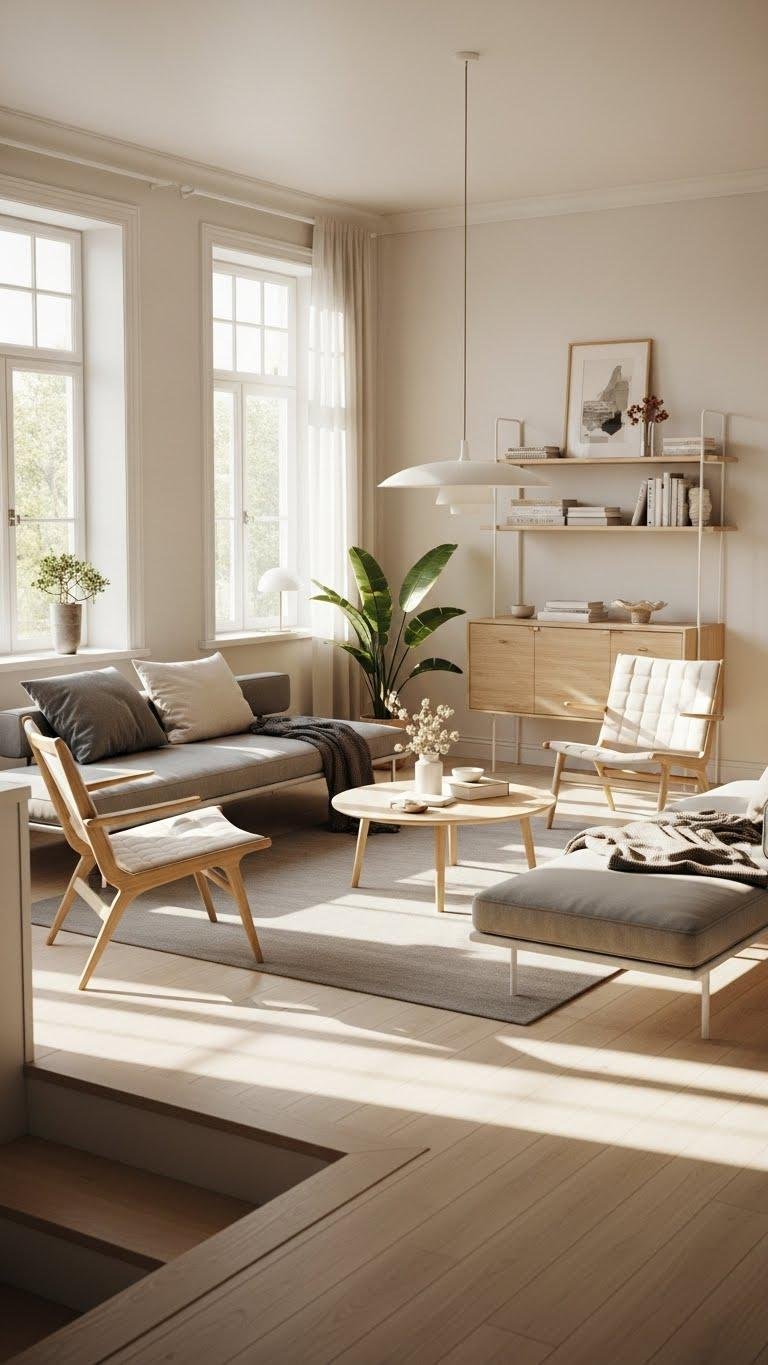
Pick slim silhouettes and low heights to make a small room feel airier and more spacious. You’ll choose furniture that sits close to the floor, keeps sightlines clear, and lets light flow. Pair low profile lighting and slender seating with compact coffee tables to maintain openness.
Keep pieces minimal, durable, and versatile so you can move freely and enjoy uncluttered, stylish living.
Add a Single Patterned Accent Wall Behind a Focal Piece
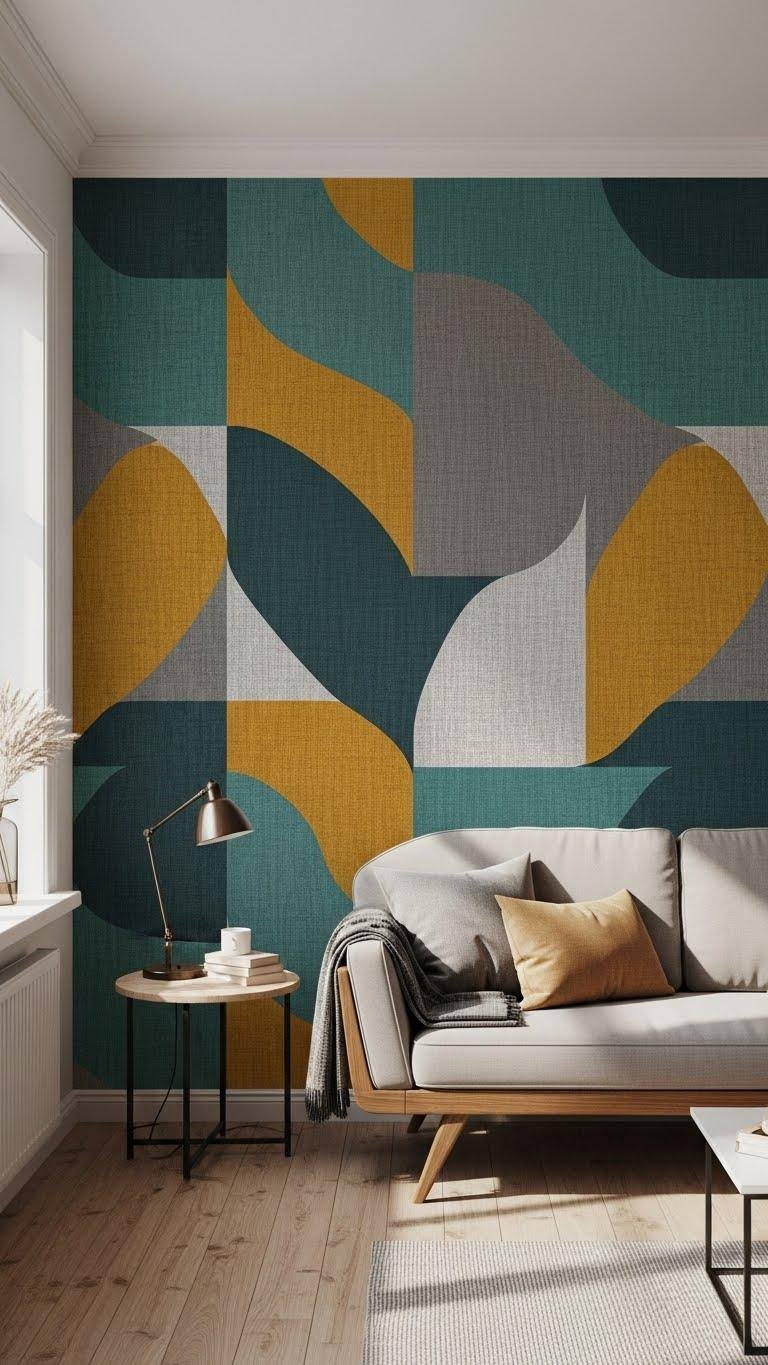
If you want to give a room a clear point of interest without overwhelming the space, place a single patterned accent wall directly behind a focal piece—like a sofa, bed, or fireplace—to frame it and draw the eye.
You’ll balance bold pattern with contrasting scale and subtle texture, keeping the rest restrained so the wall reads intentional, freeing the room to feel personal, stylish, and calm.
Mix Curved Silhouettes for Softer Sightlines
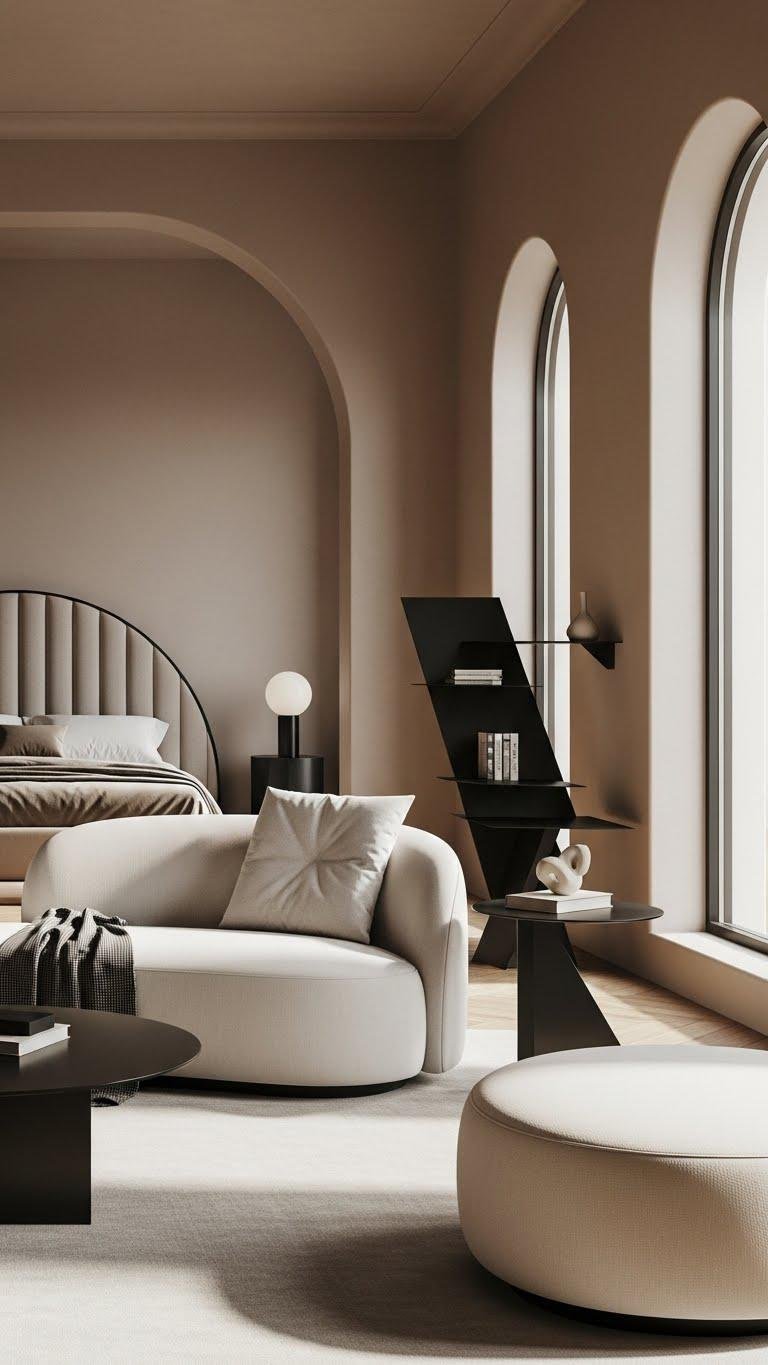
When you mix curved silhouettes, you soften sightlines and make a space feel more inviting without sacrificing polish. Embrace arched headboards, curved lighting fixtures, and rounded ottomans to break rigid lines and encourage flow.
You’ll balance bold angles with gentle forms, creating a liberated, calm room. Choose proportionate curves and crisp materials so the result stays refined, cozy, and effortless.
Use Floor‑to‑Ceiling Drapery to Raise the Ceiling
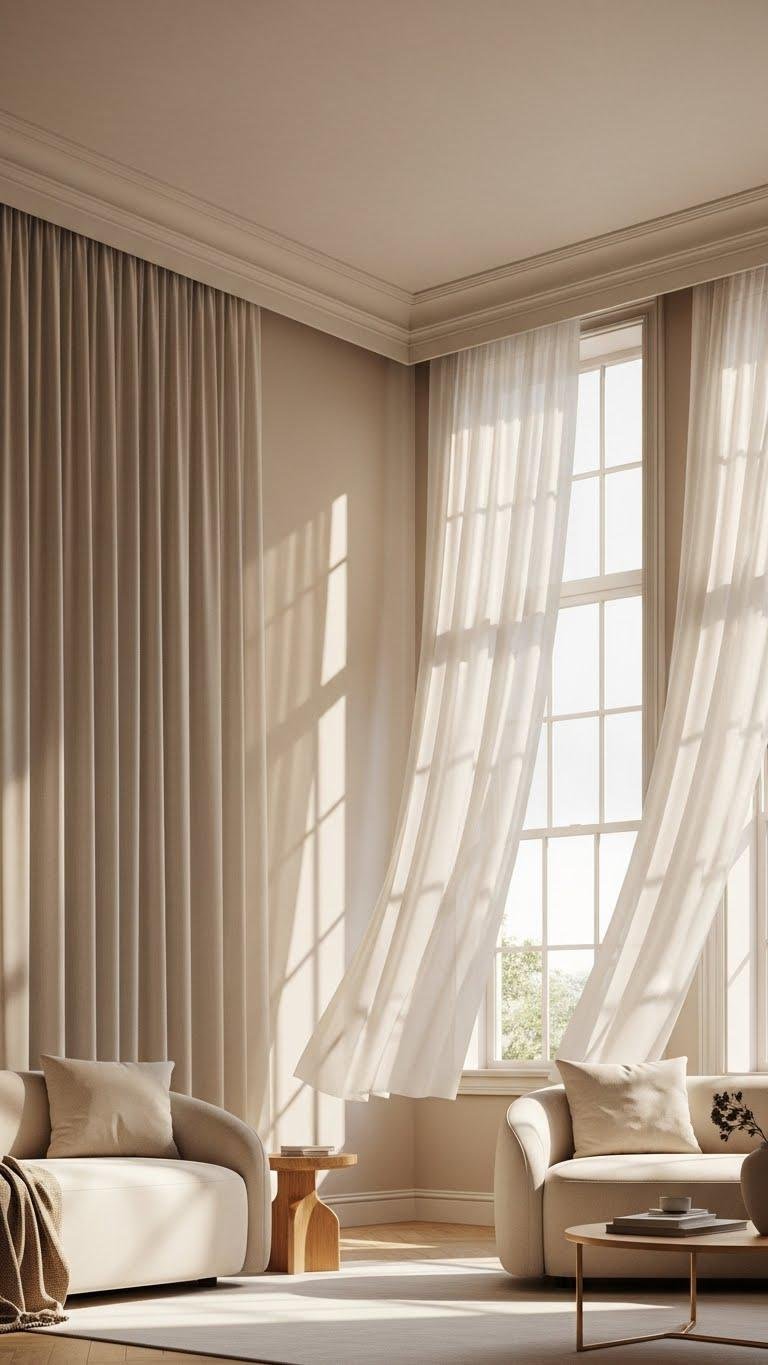
Curved silhouettes soften sightlines, and you can amplify that openness vertically with floor-to-ceiling drapery that visually lifts the room. Hang panels close to the cornice to trick the eye into greater ceil height, choose a minimally intrusive rod selection for clean lines, and let lightweight fabrics float. You’ll create airy drama without clutter, freeing the space and your mind.
Incorporate Natural Textures: Rattan, Wood, and Stone
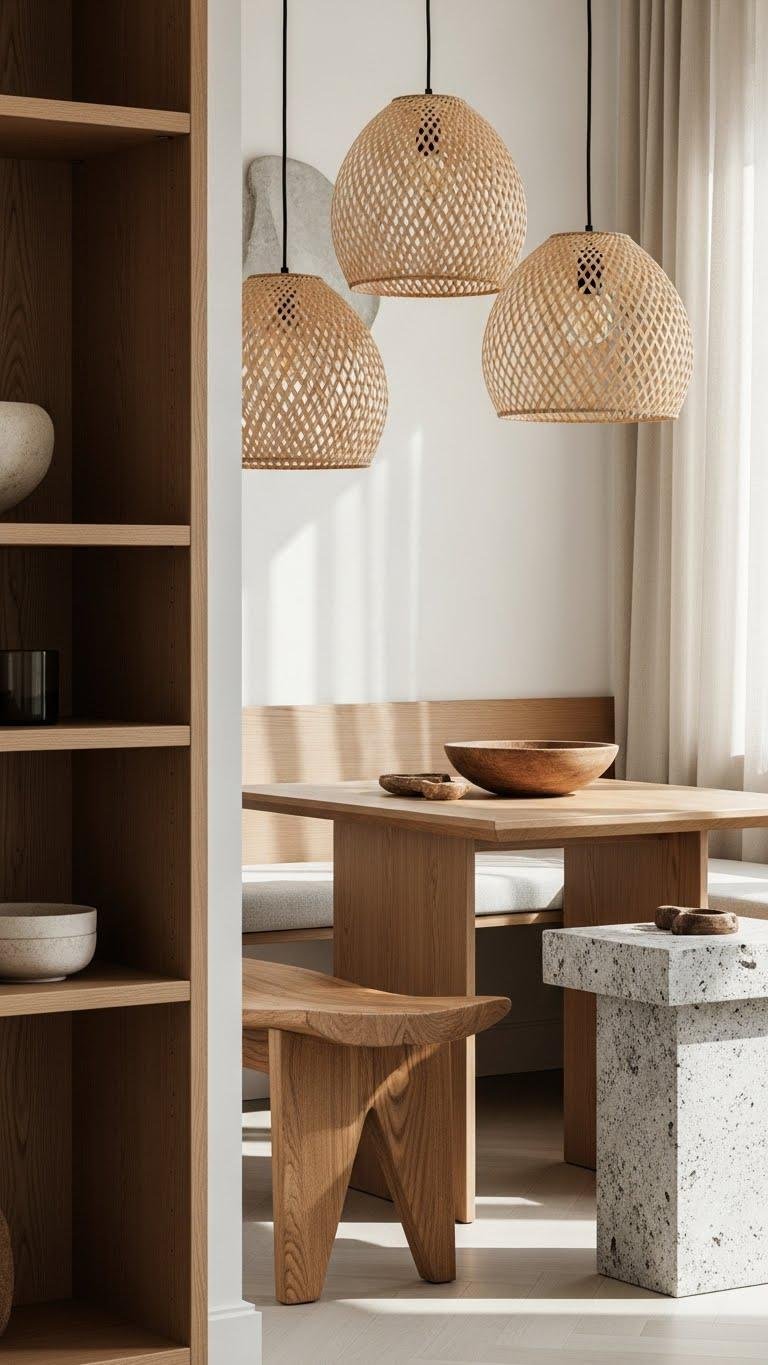
Although natural materials bring immediate warmth and character, you don’t need to overwhelm the room—introduce rattan, wood, and stone in measured layers so each material reads clearly and complements the others.
Mix rattan lighting for soft shadows, warm wood accents for tactile grounding, and stone countertops or a sculptural side table for permanence. Keep palettes minimal and let textures speak, so your space feels open and free.
Select Deep‑Seated Seating for Ultimate Comfort
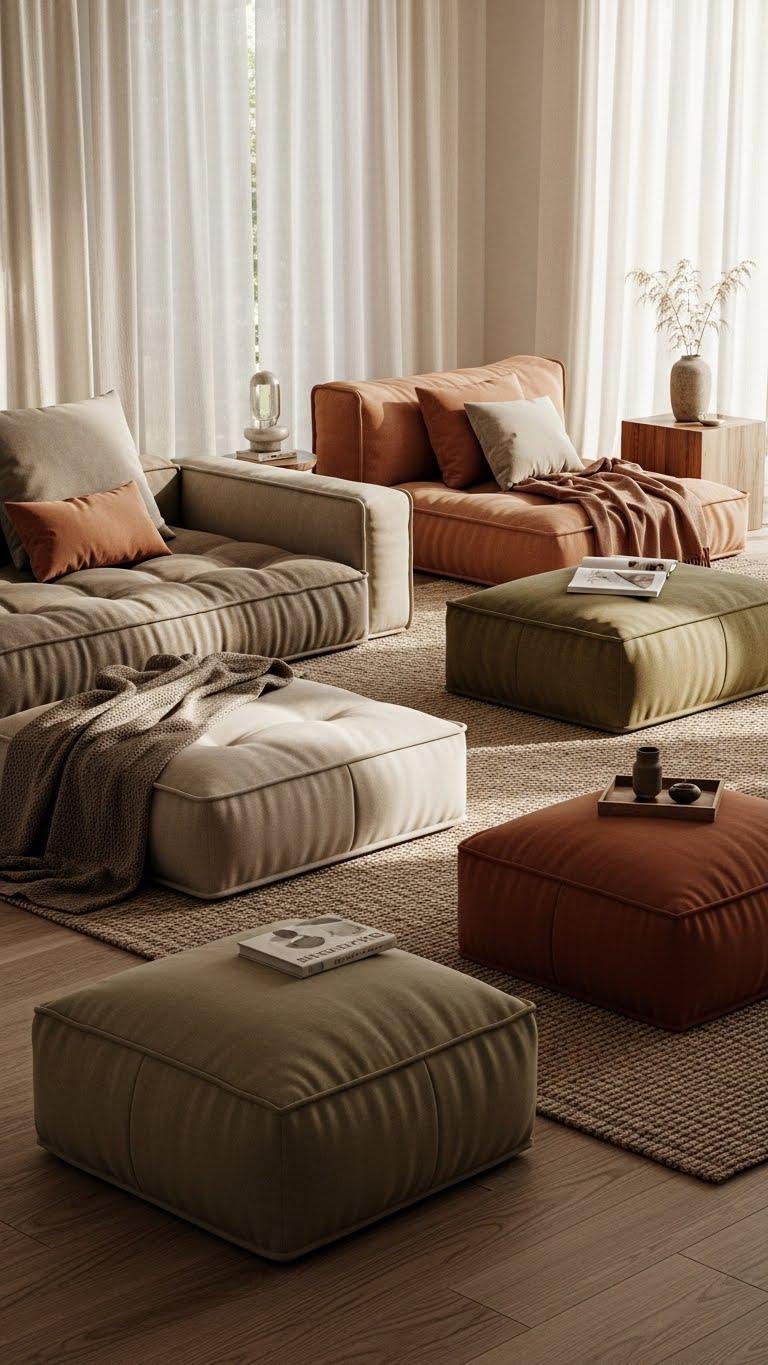
Natural textures set a calm, inviting stage—now choose seating that encourages lingering. You’ll favor deep floor loungers for relaxed, grounding vibes and tailored ottomans to anchor flexible layouts.
Mix low, plush pieces with structured accents so you can sprawl or sit upright, move things easily, and claim a space that feels liberated, intentional, and utterly comfortable.
Introduce Accent Hues With Textiles and Small Furnishings
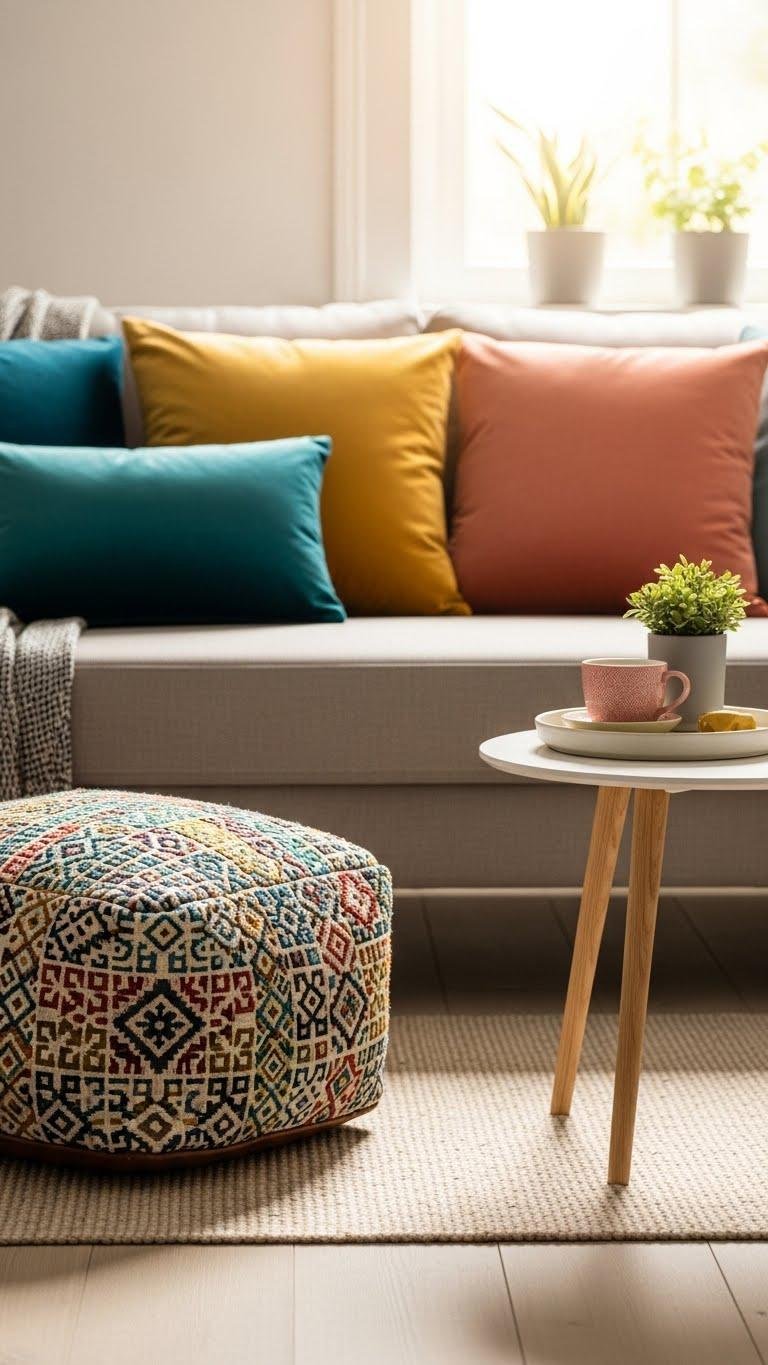
When you want to refresh a room without an overhaul, textiles and small furnishings let you introduce accent hues with instant, low-commitment impact.
Swap neutral cushions for bold throw pillows, add a patterned pouf, and layer a lightweight rug or draped blanket. You’ll create focal points, shift mood, and keep options open—easy, reversible changes that feel liberated and deliberate.
Opt for Matte Finishes to Enhance Soft Light
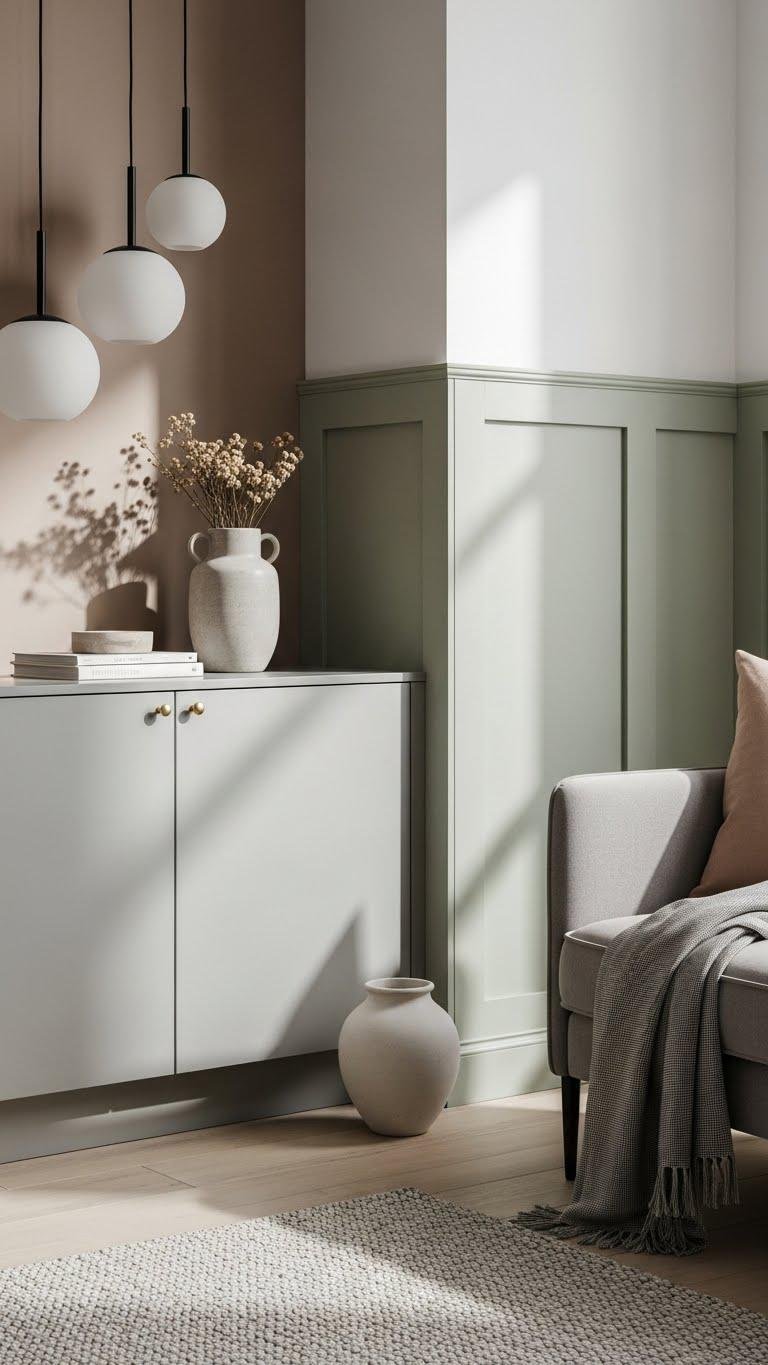
Choose matte finishes to quietly amplify soft light and give your room a refined, modern calm. You’ll favor muted surfaces—matte cabinetry, velvety wallpanels—and textures that absorb glare, so daylight feels gentle and liberating. Matte paints and textiles hide imperfections, reduce reflections, and let shapes and shadows breathe. Opt for tonal contrasts and tactile finishes to create a roomy, relaxed atmosphere that invites movement.
Create a Reading Nook With Task Lighting and a Rug
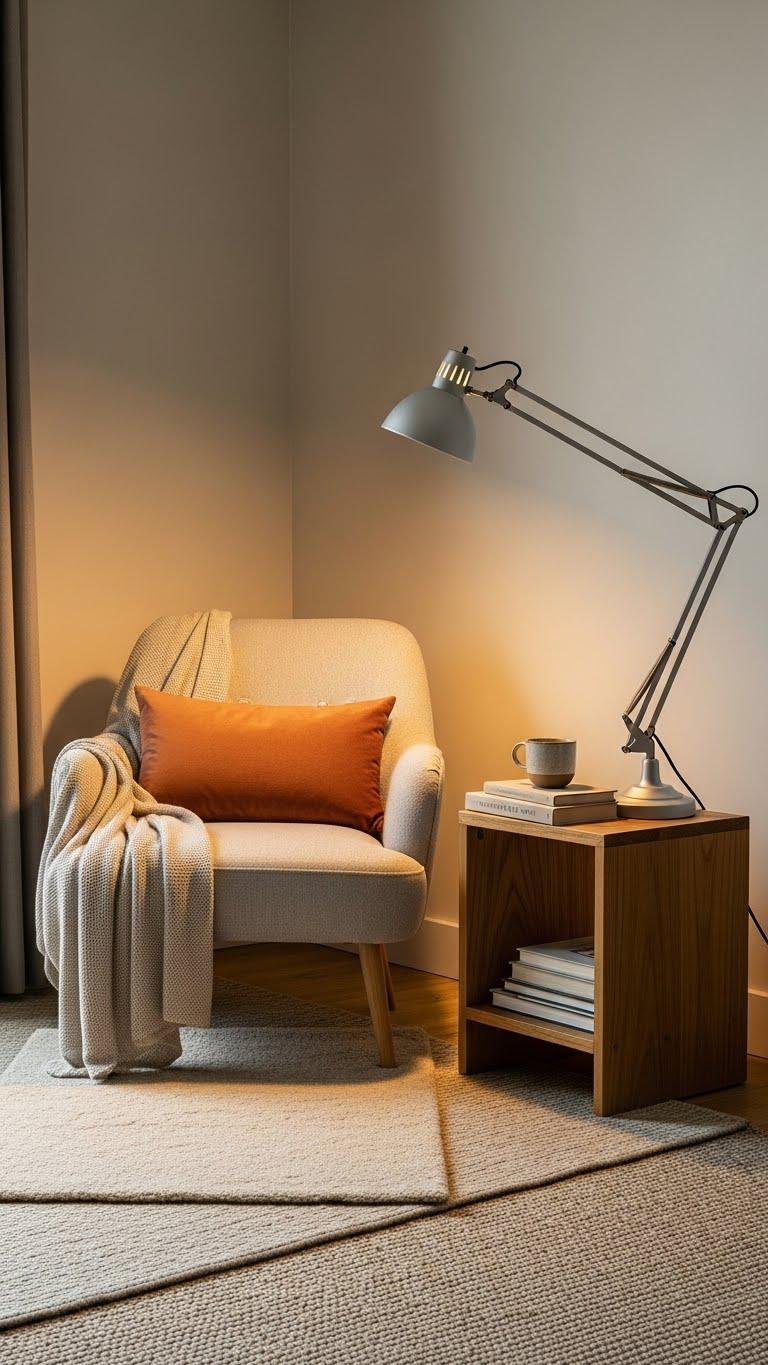
For a cozy reading nook that feels intentional, anchor the space with a soft, low‑pile rug and a dedicated task lamp so you can linger without straining your eyes.
Place an adjustable reading floor lamp beside a chair in your cozy corner, combine a layered rug for texture underfoot, and keep a small side table for books and a mug — freedom to unwind, styled simply.
Layer Throws and Pillows in Mixed Natural Fibers
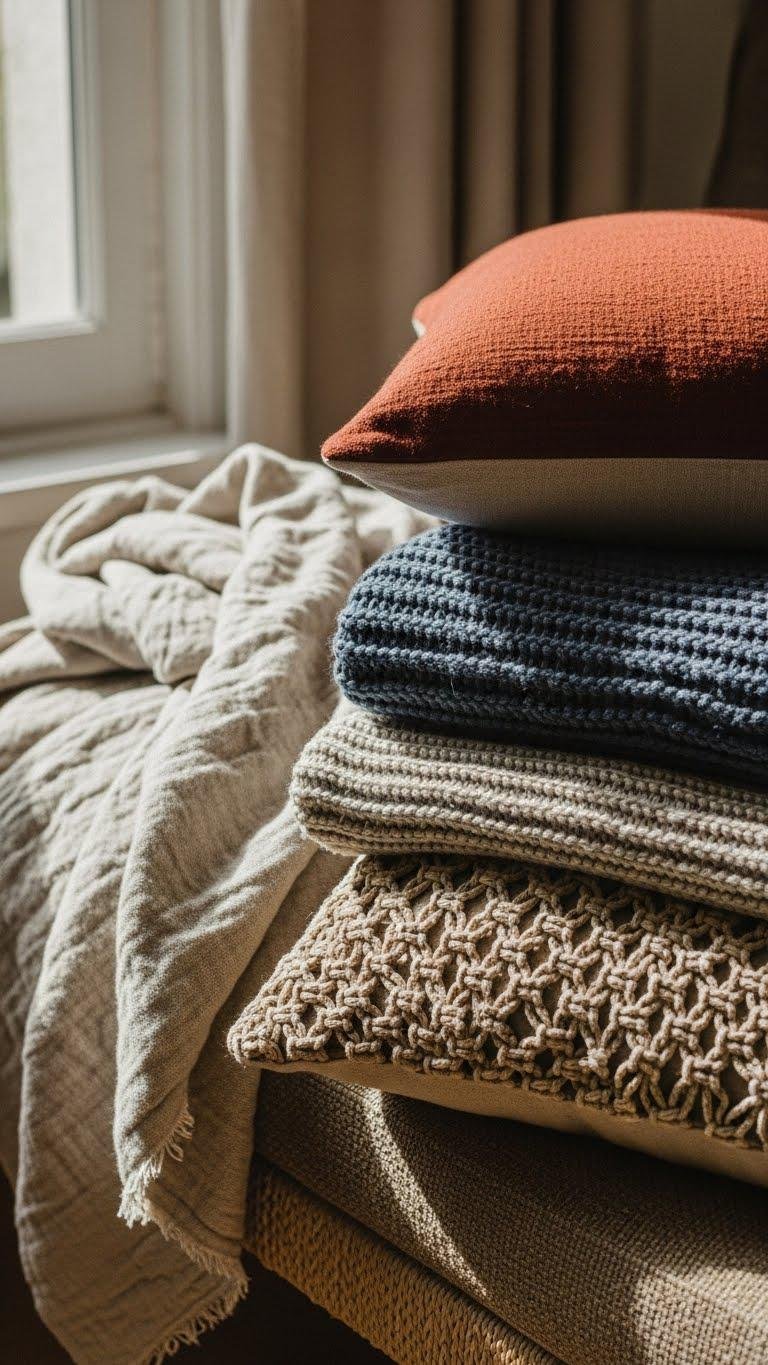
Mix natural-fiber throws and pillows to build depth and tactile interest without overwhelming the space. Layer a linen slub throw, a wool-knit blanket, and hemp macramé cushions for contrast in weight and weave. You’ll mix muted tones and one bold accent, rotate textures seasonally, and keep arrangements casual. This approach feels effortless, free, and inviting while staying refined.
Install Built‑In or Concealed Storage for a Clutter‑Free Look
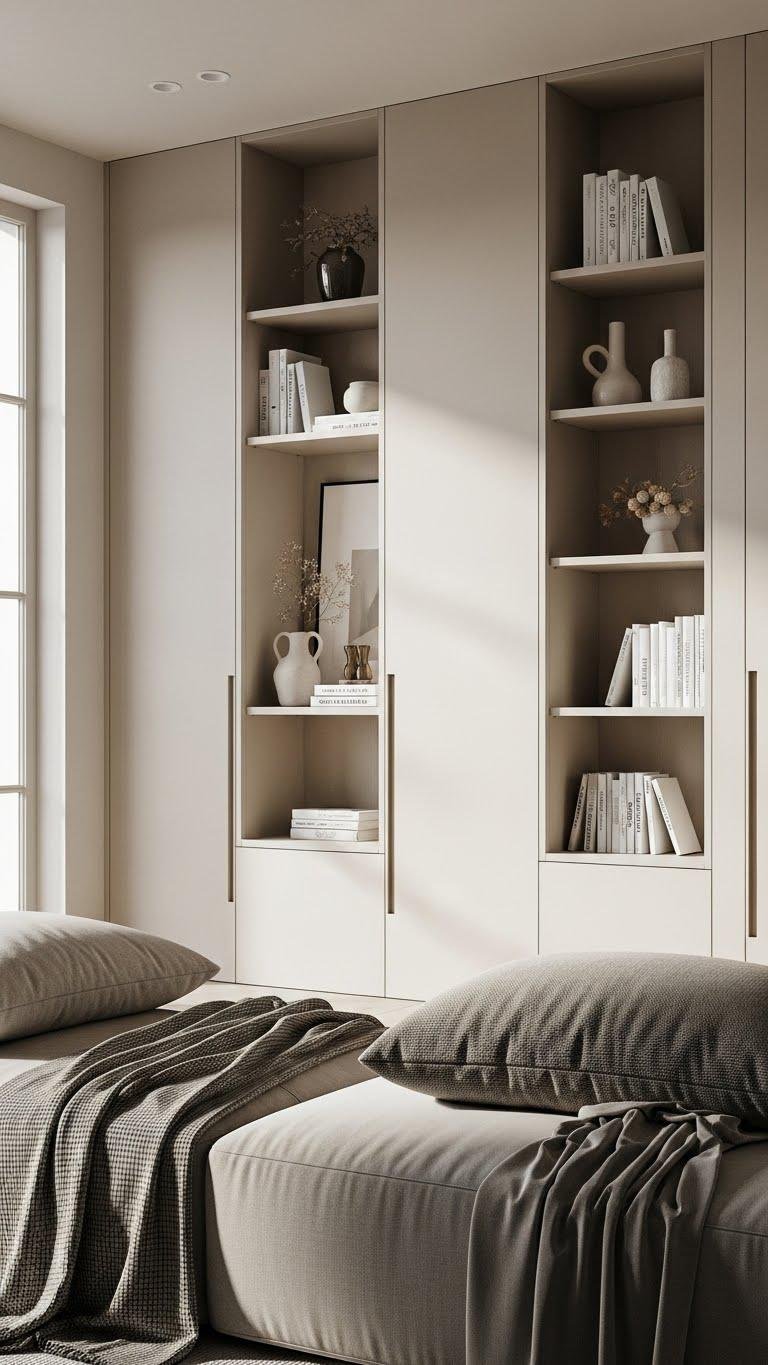
Those layered throws and pillows create a calm, textured surface—but to keep that look feeling airy, you’ll want storage that disappears into the room. Install hidden cabinets and recessed shelving to tuck items away without visual weight. Choose flush doors, soft-close hardware, and a continuous finish so belongings vanish.
You’ll gain freedom, order, and a serene, uncluttered aesthetic.
Use Dual‑Purpose Furniture to Maximize Functionality
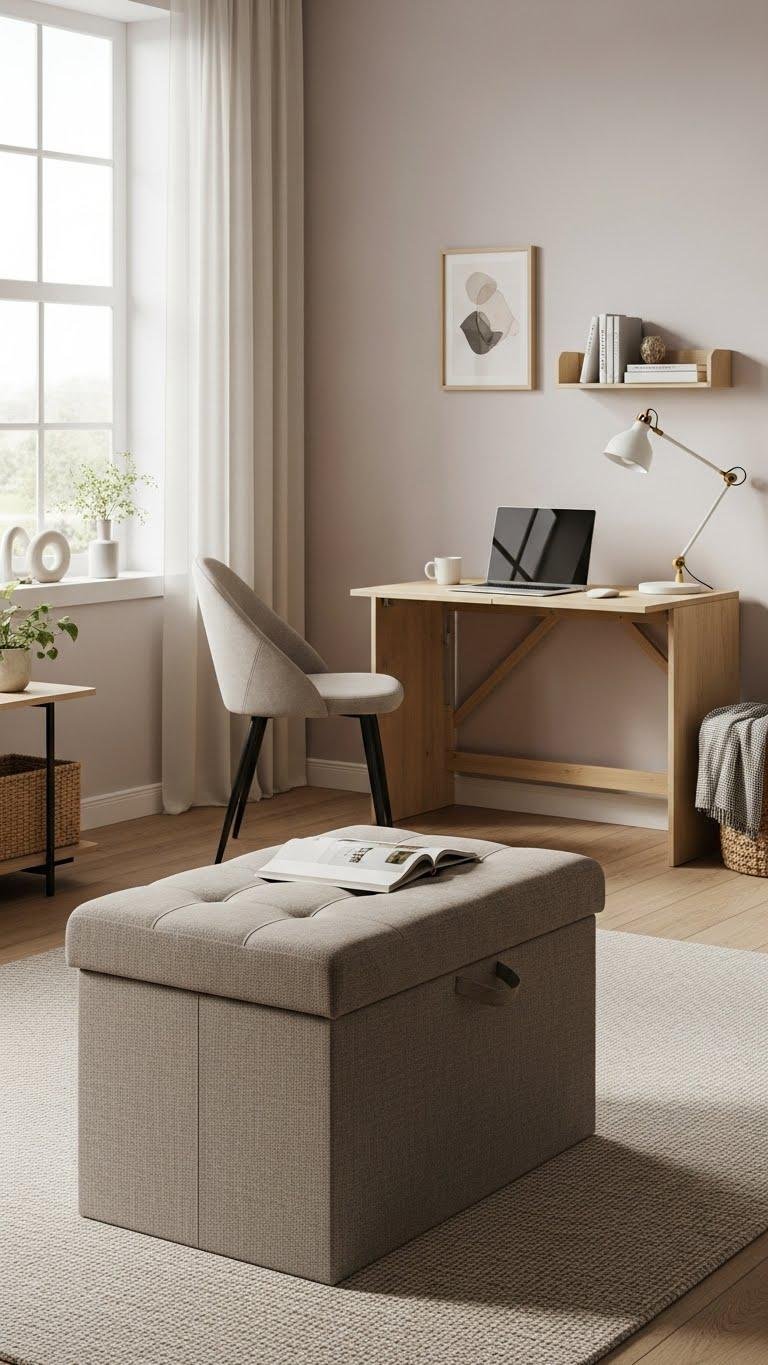
Think about furniture that pulls double duty so every piece earns its place. Choose storage ottomans for hidden clutter and extra seating, and place a foldable desk where it tucks away when you crave open space. You’ll create a flexible, calm room that adapts to work, rest, or company — stylish, efficient solutions that give you freedom without sacrificing form.
Add Sculptural Pendant Lighting as a Signature Piece
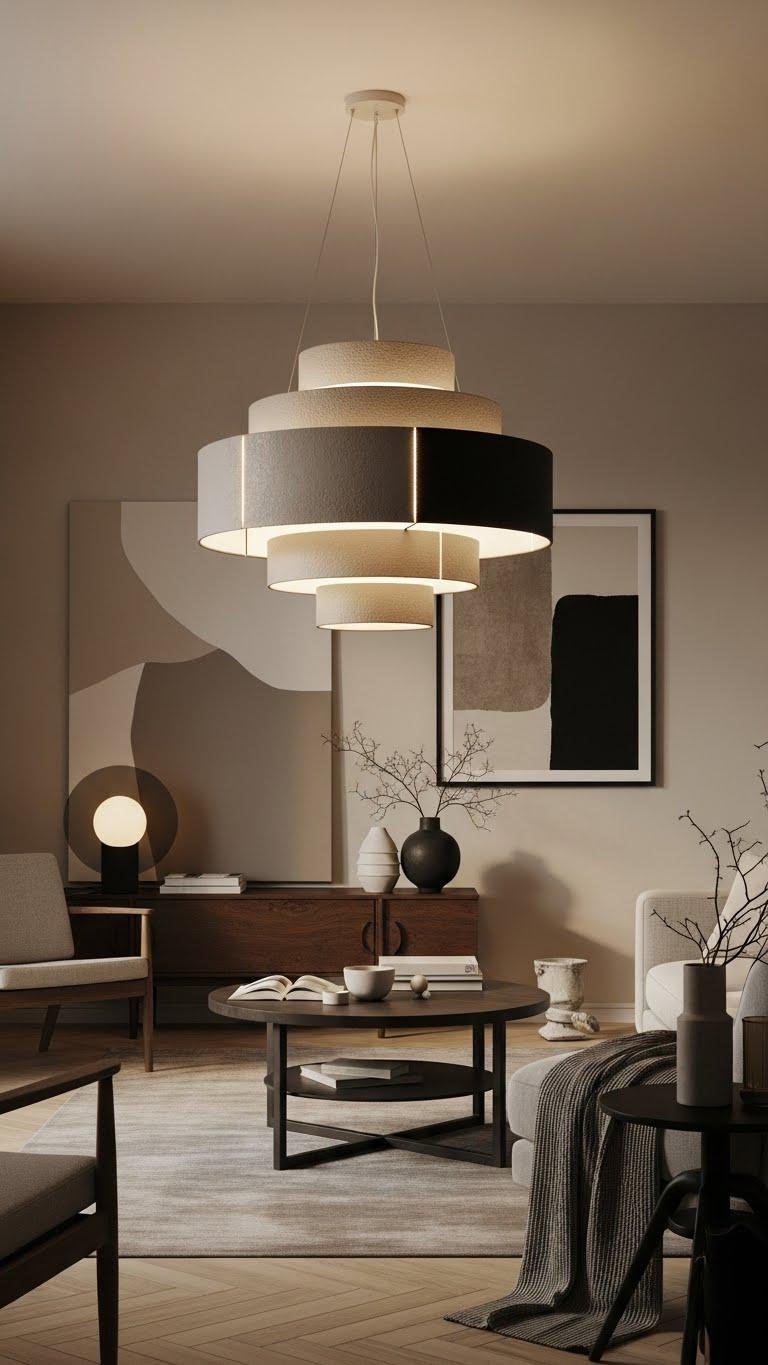
Install a sculptural pendant to anchor your room and give it an immediate focal point—these fixtures do more than illuminate; they define the space. Choose pieces with handcrafted shades and subtle LED accents to balance artistry and efficiency.
You’ll express independence through bold scale, texture, and finish while keeping sightlines open. Swap bulbs or reposition height to adapt mood and function effortlessly.
Arrange Art and Mirrors in Thoughtful Groupings
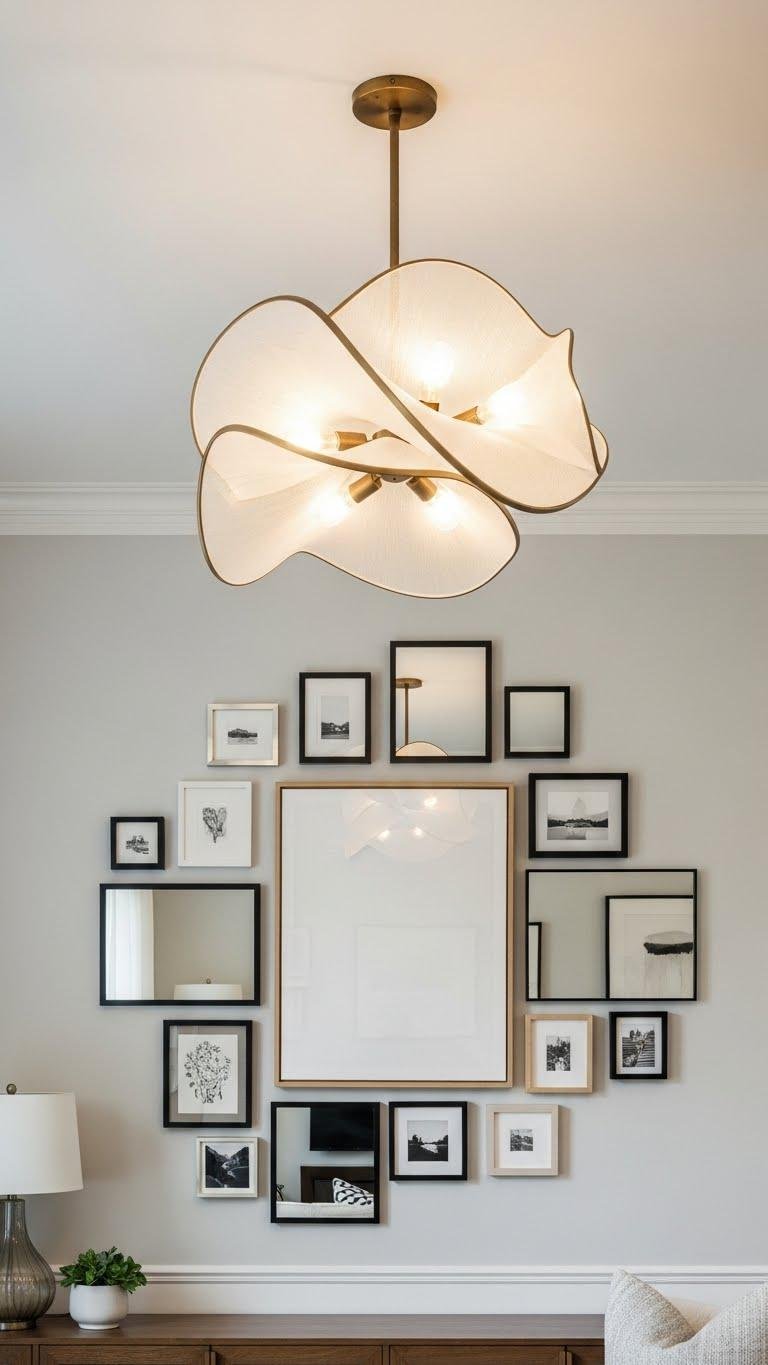
After your sculptural pendant sets the room’s tone, let art and mirrors reinforce that identity by forming intentional clusters on adjacent walls.
You’ll use gallery symmetry to balance scale and sightlines, mixing small frames with one bold focal piece.
Employ reflective layering—mirrors behind artwork or angled pieces—to amplify light and depth.
Arrange with confidence so the grouping feels liberated, intentional, and calm.
Bring in Plants and Woven Accessories for Natural Warmth
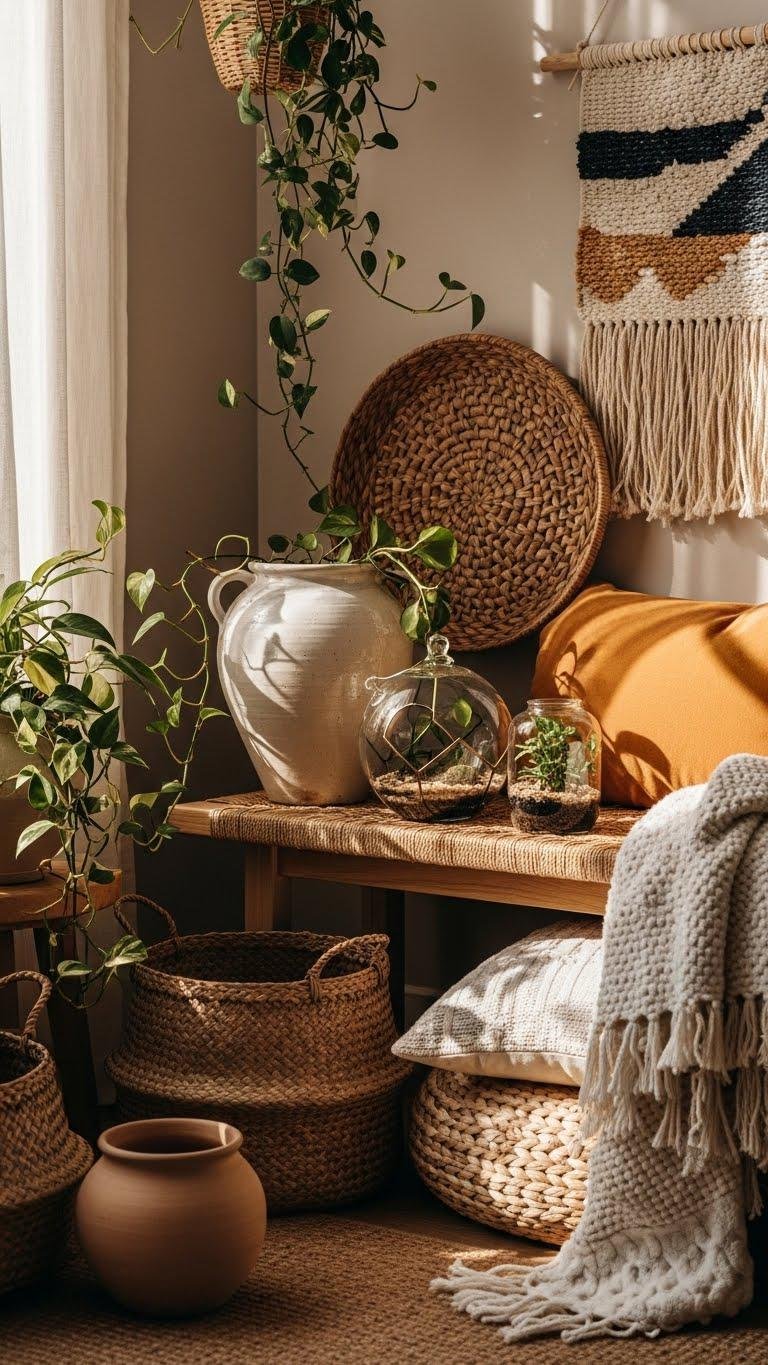
With a few well-placed plants and woven accents, you’ll soften the room’s geometry and introduce tactile, organic warmth that feels effortless.
Add sculptural pots, trailing vines, and compact indoor terrariums to bring life without clutter. Pair them with woven wallhangings, rattan baskets, and textured throws to create breathable, relaxed layers. Choose pieces that move with you and reflect a liberated, personal aesthetic.
Use Dimmers and Multiple Lighting Layers for Mood Control
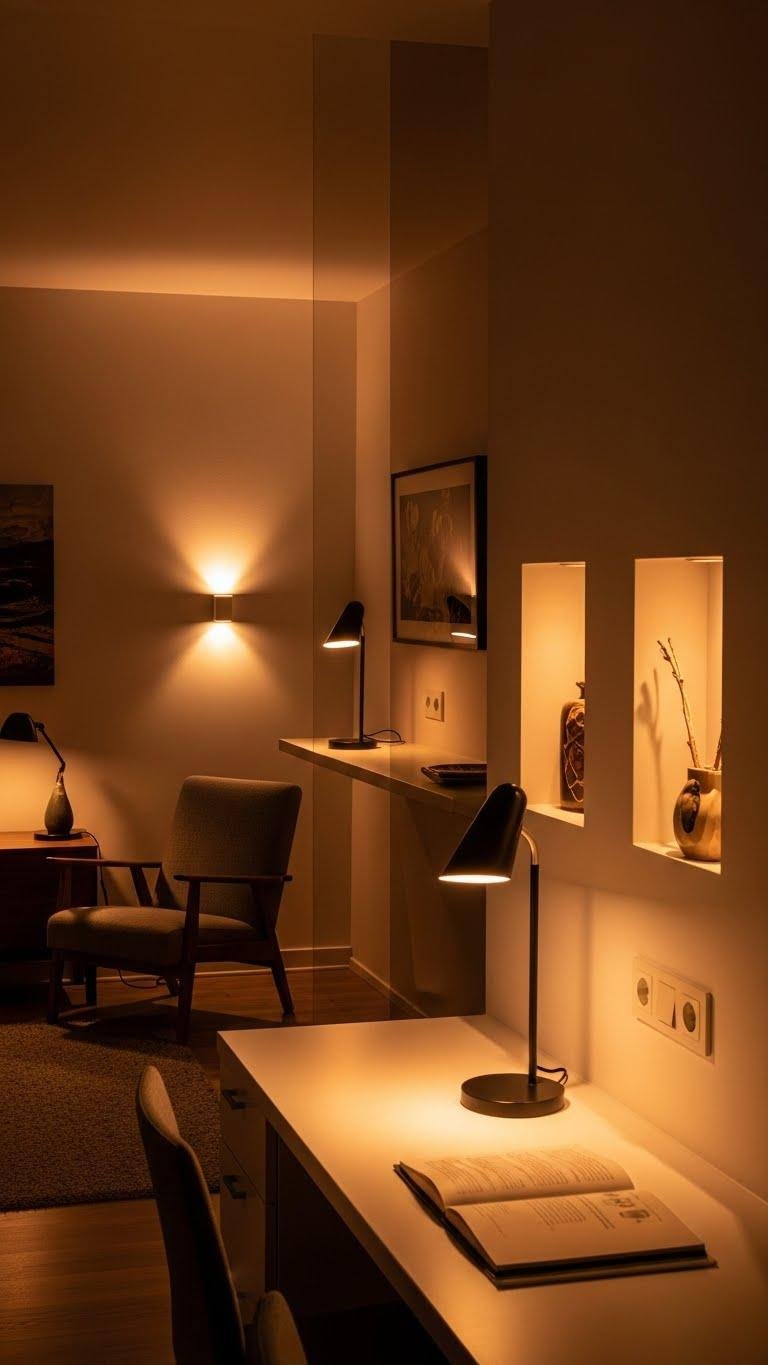
When you layer lighting—ambient, task, and accent—and put those layers on dimmers, you gain precise control over mood and function without changing a thing in the room’s layout.
You’ll use dimensional lighting to sculpt space, dialing warmth or clarity for any activity. Install smart switches for effortless scenes, so you can shift ambiance instantly and reclaim your freedom to shape daily rhythm.
Pair Vintage Finds With Modern Basics for a Collected Feel
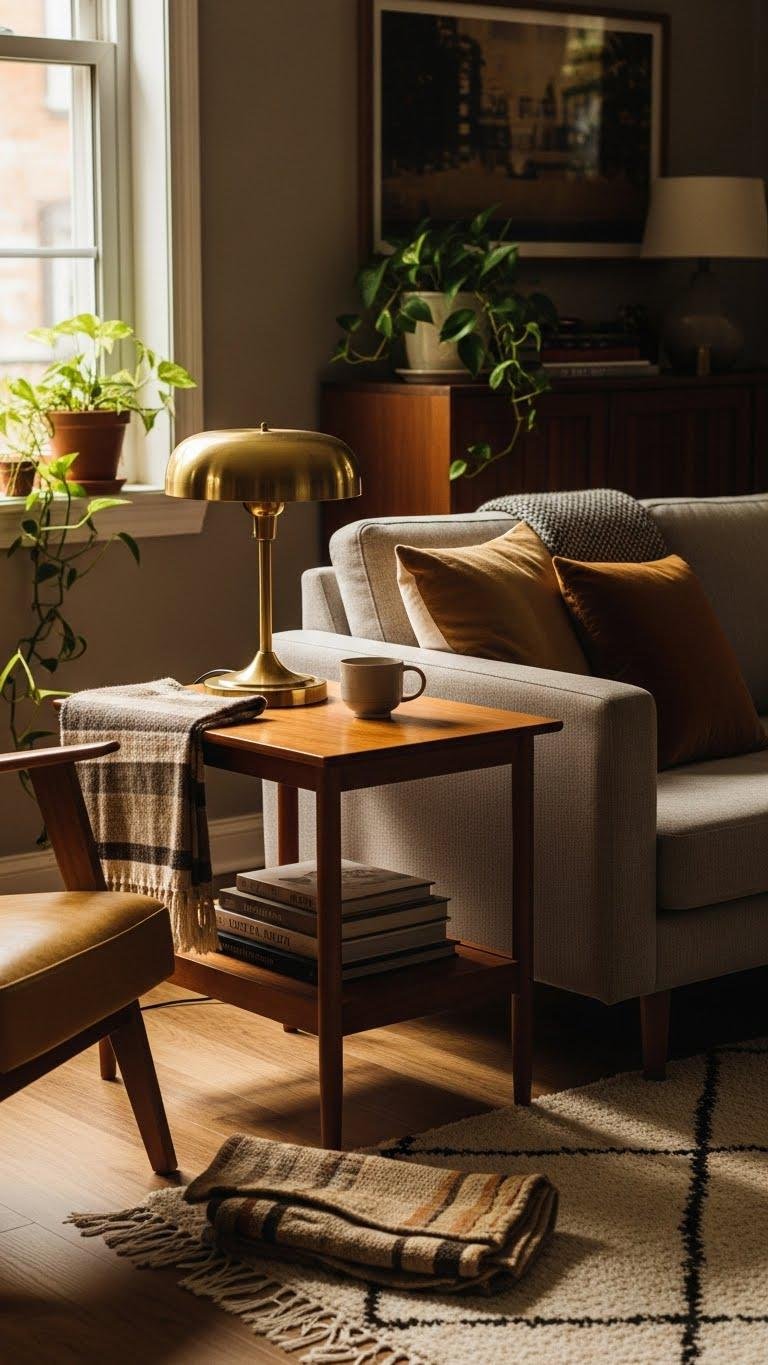
Let lighting set the mood, then let your furniture tell the story: pairing a few well-chosen vintage pieces with clean modern basics gives a room that collected, layered look without feeling cluttered.
You’ll mix thrifted armatures—think a brass lamp or midcentury side table—with modern silhouettes like streamlined sofas. Trust contrast, edit boldly, and let each piece breathe for an unfettered, personal space.
Introduce Textured Wall Treatments for Subtle Dimension
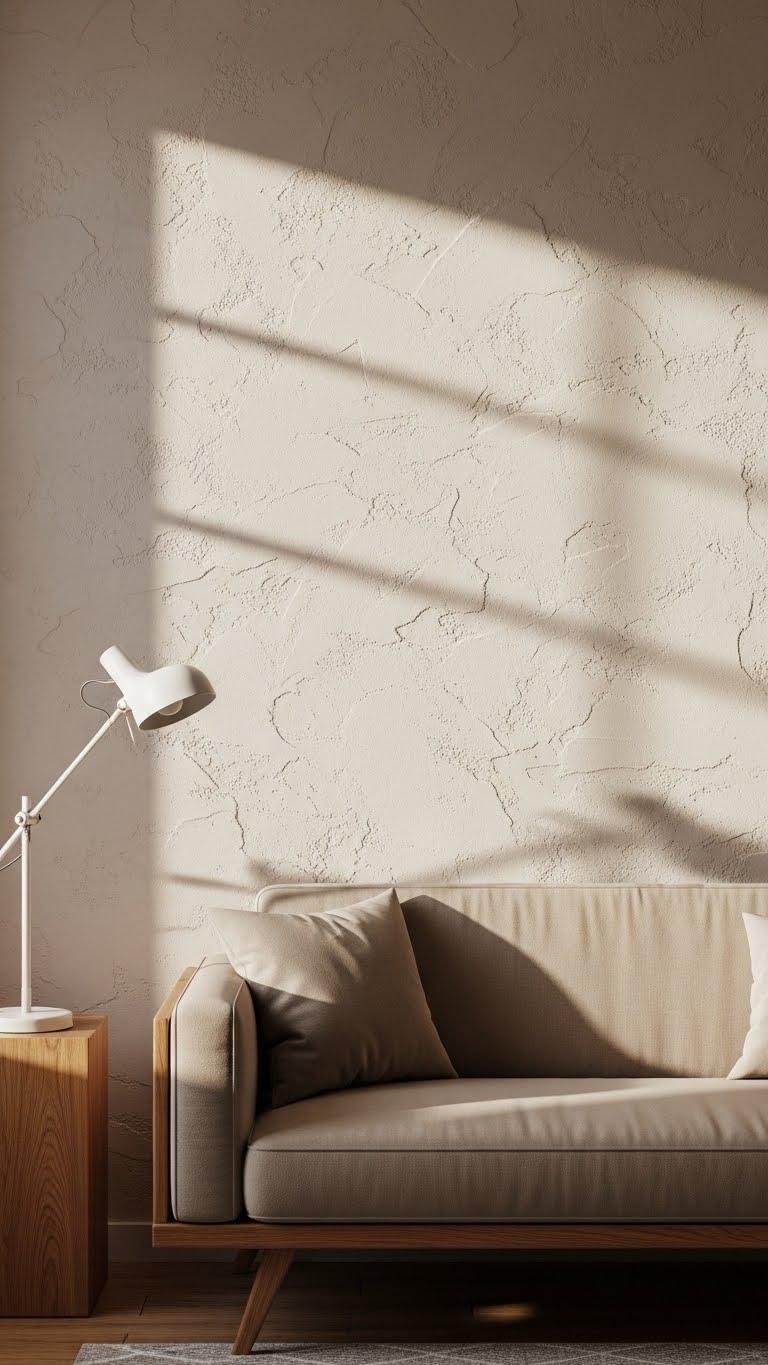
Although paint can reset a room, textured wall treatments add quiet depth that paint alone can’t achieve.
You’ll welcome subtle plastering or tactile paint to create soft shadows and movement without overpowering the space.
Apply sparingly on a single wall, behind seating, or in a nook to invite touch and freedom.
The result feels intentional, lived-in, and effortlessly refined.
Anchor Spaces With a Two‑ or Three‑Tone Palette
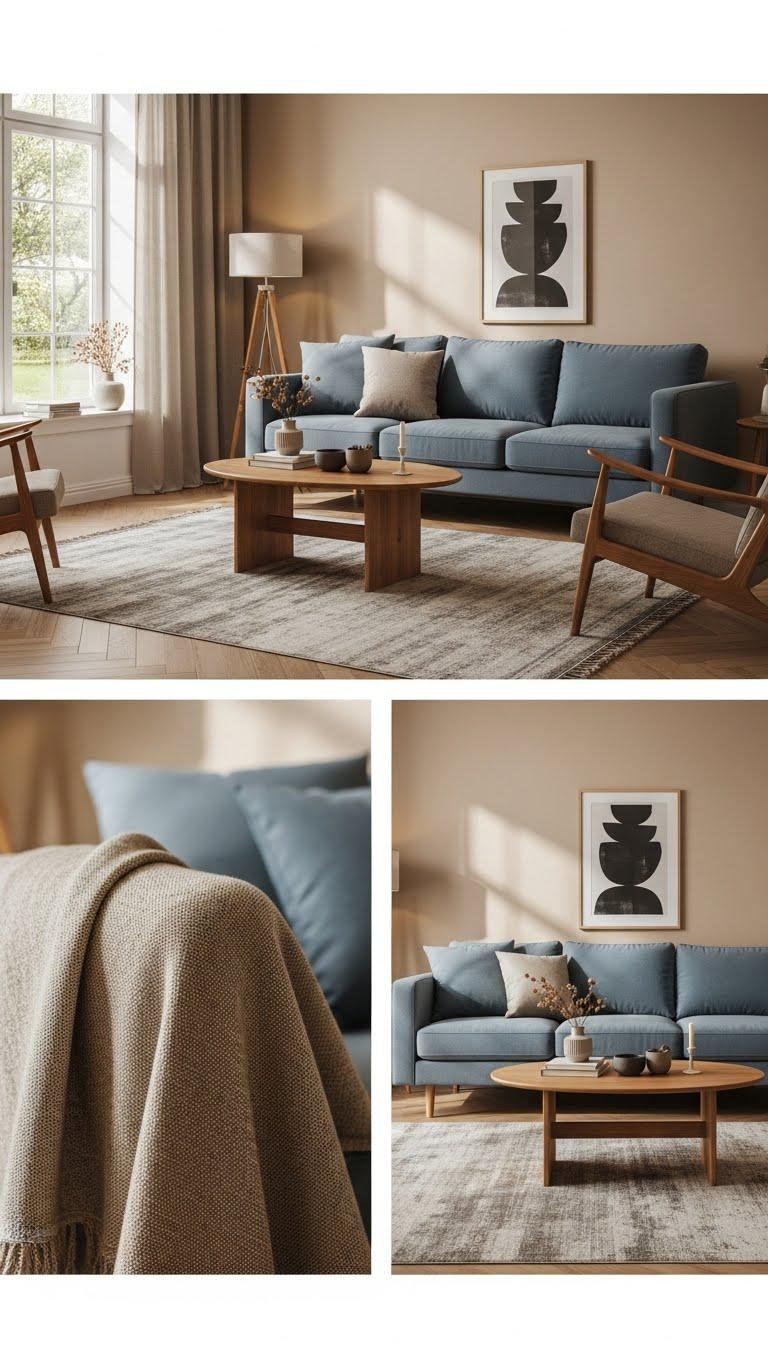
Often, you’ll find a two- or three-tone palette instantly grounds a room, giving it a clear visual hierarchy without fuss.
Choose a dominant base, a secondary shade and a monochrome accent to punctuate. Use tonal layering across textiles, furniture and art to create cohesion. You’ll get a liberated, calm space that reads cohesive and lived-in without feeling overdesigned.
Create Functional Zones With Rugs or Curtains, Not Walls
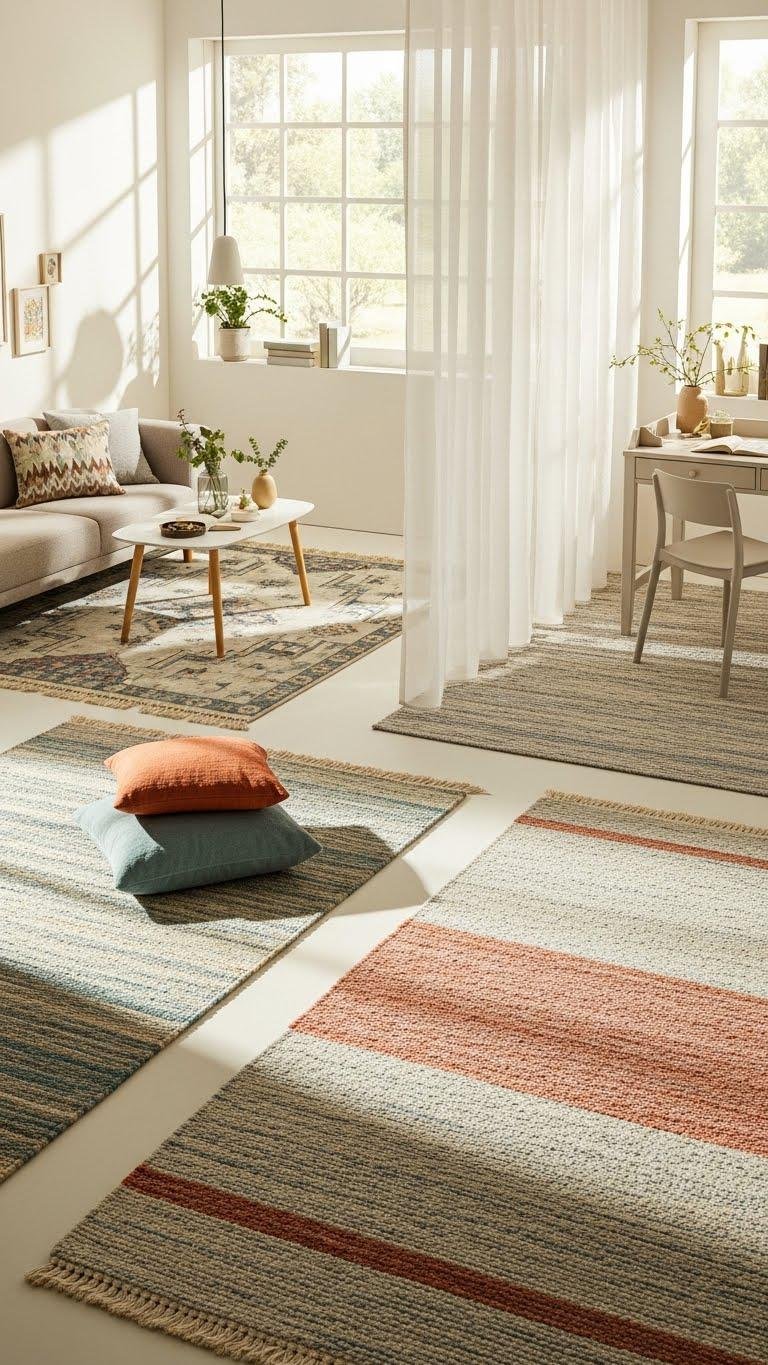
By grouping furniture on rugs or hanging curtains to define a nook, you can carve out distinct functions without building walls.
Use layered rugs to anchor seating and a workspace, mixing texture and scale.
Hang a sheers divider to soften sightlines and preserve light.
You’ll create flexible, breathable zones that feel intentional, open, and free to rearrange as life shifts.
Choose Oversized Cushions for Plush, Inviting Seating
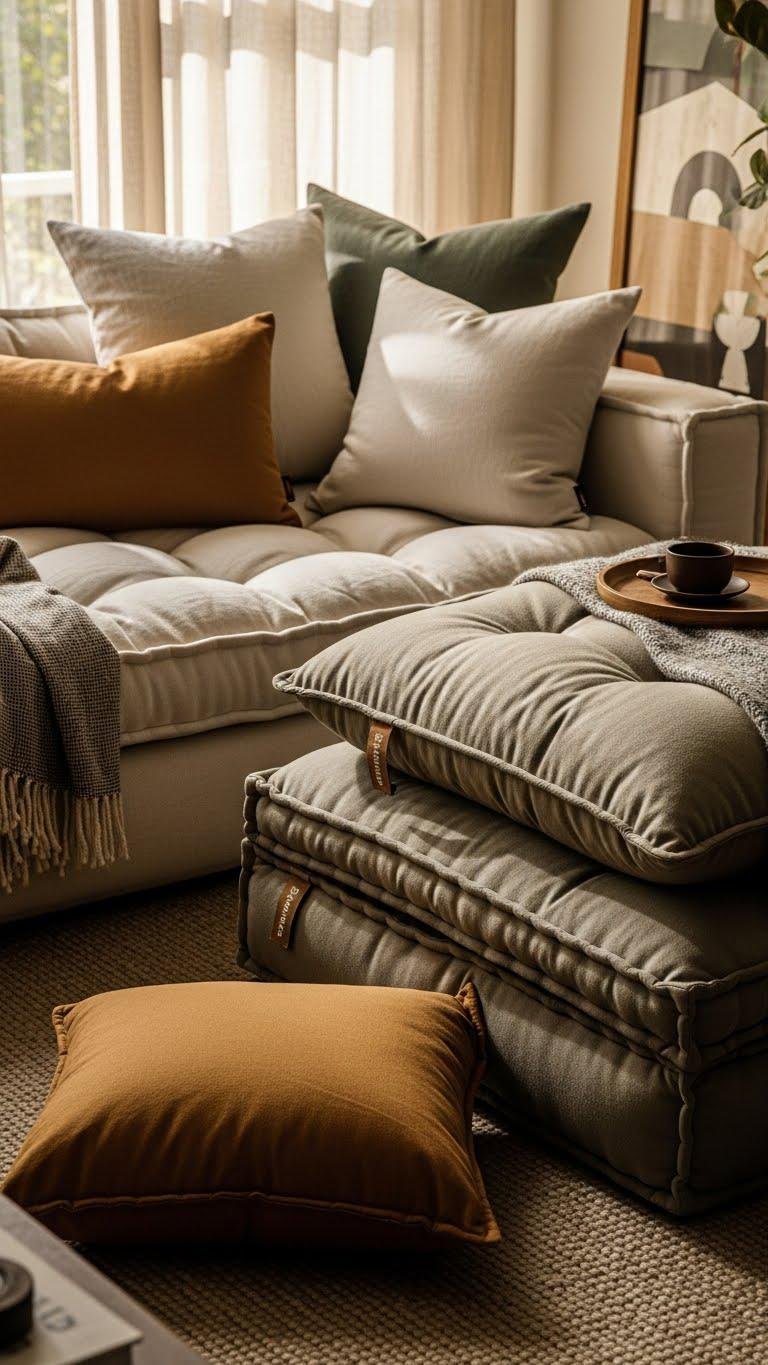
Frequently, oversized cushions transform a seating area from merely functional to irresistibly plush—pick pieces with deep fill and generous dimensions so they sink slightly when you sit and bounce back when you stand.
You’ll mix oversized ottomans with plush lumbar pillows to create layered comfort, choose durable covers for easy care, and arrange casually to invite lounging without fuss or constraint.
Prioritize Vertical Storage to Free Floor Space
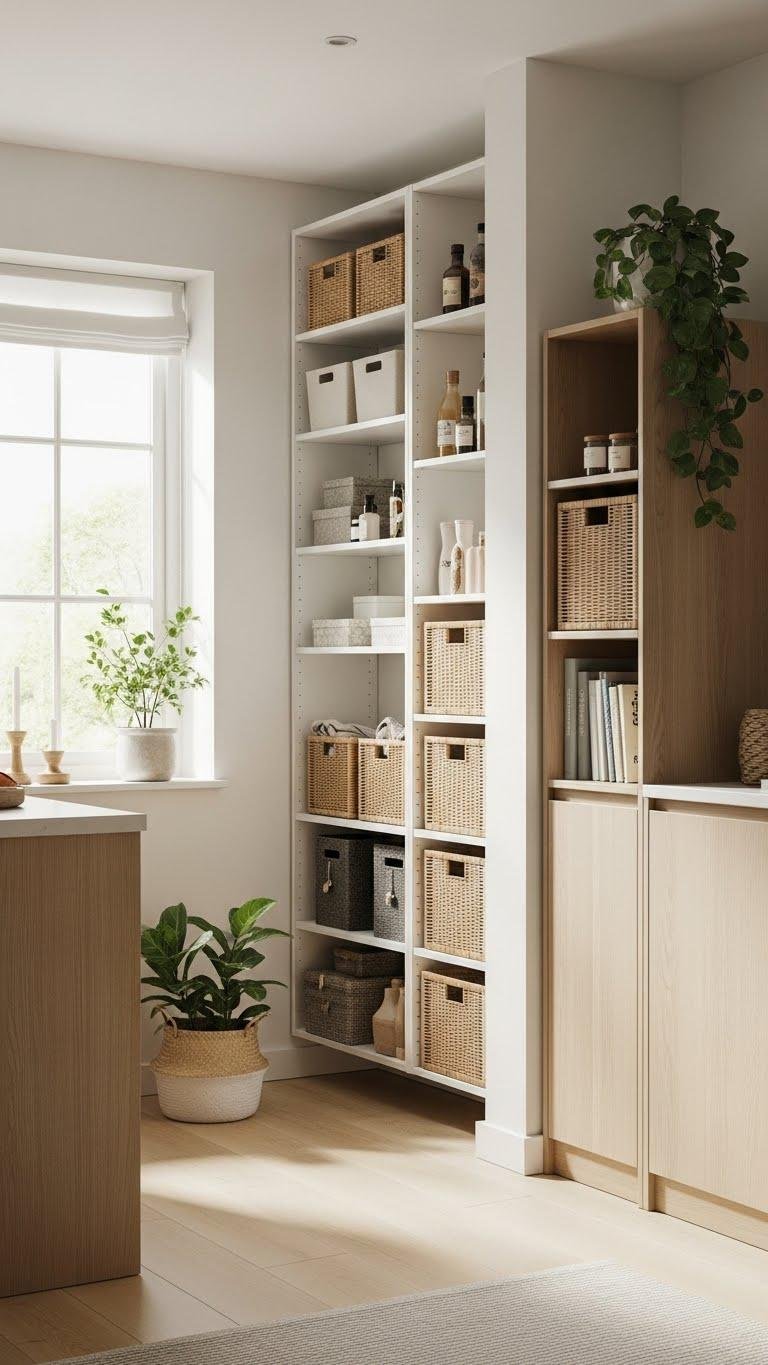
When floor space is at a premium, look up: vertical storage lets you reclaim the room beneath by stacking functionality into walls and tall units.
You can install sleek vertical shelving to display essentials and free the floor.
Add stackable baskets for concealed clutter and easy access.
This approach keeps sightlines open, supports a liberated lifestyle, and makes the room feel airy and intentional.
Rotate Personal Objects Seasonally to Keep Surfaces Calm
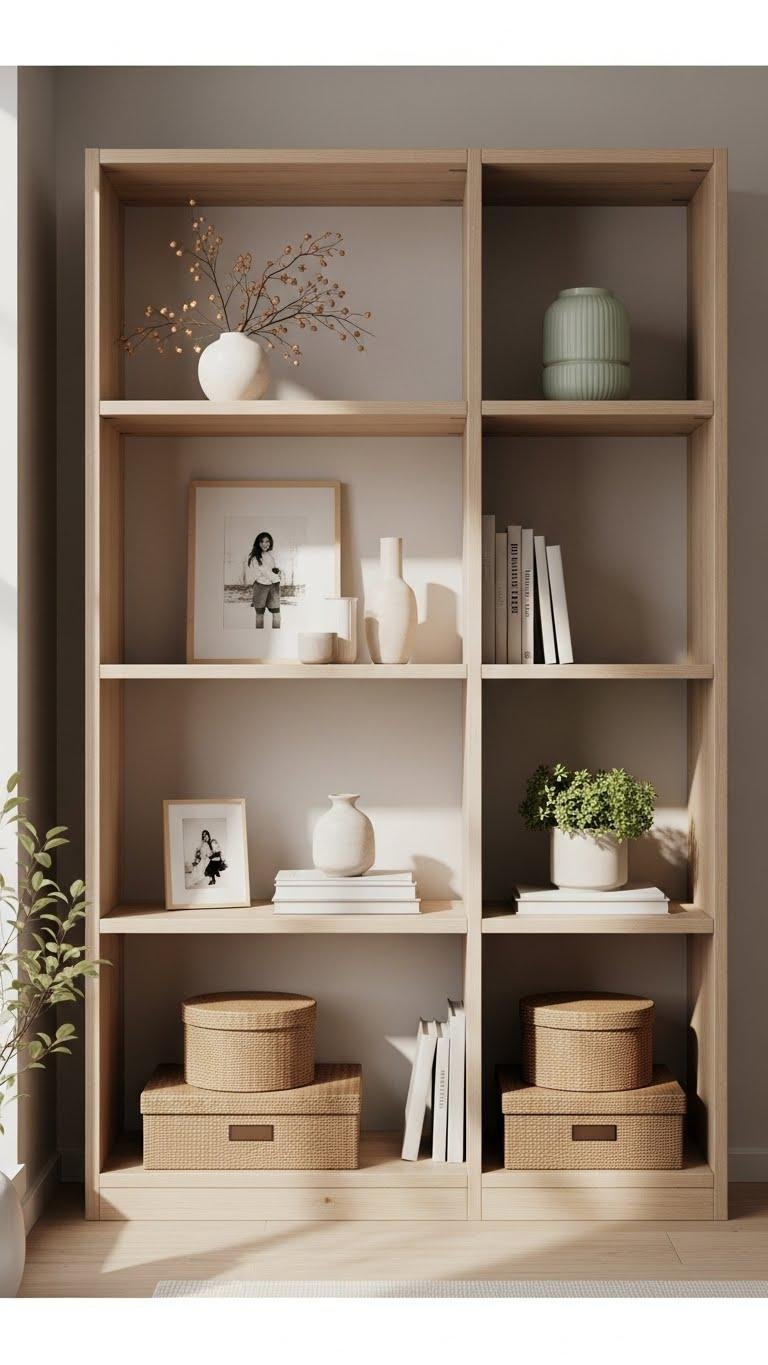
Tall shelving clears the floor so the eye rests on fewer surfaces — now make those surfaces feel intentional by rotating personal objects seasonally. You’ll practice seasonal rotation like a ritual: choose a few meaningful pieces, swap them each season, and store the rest. This display editing keeps surfaces calm, highlights what matters, and gives your room a liberated, ever-evolving mood without clutter.
Balance Soft Textiles With a Few Hard Natural Accents
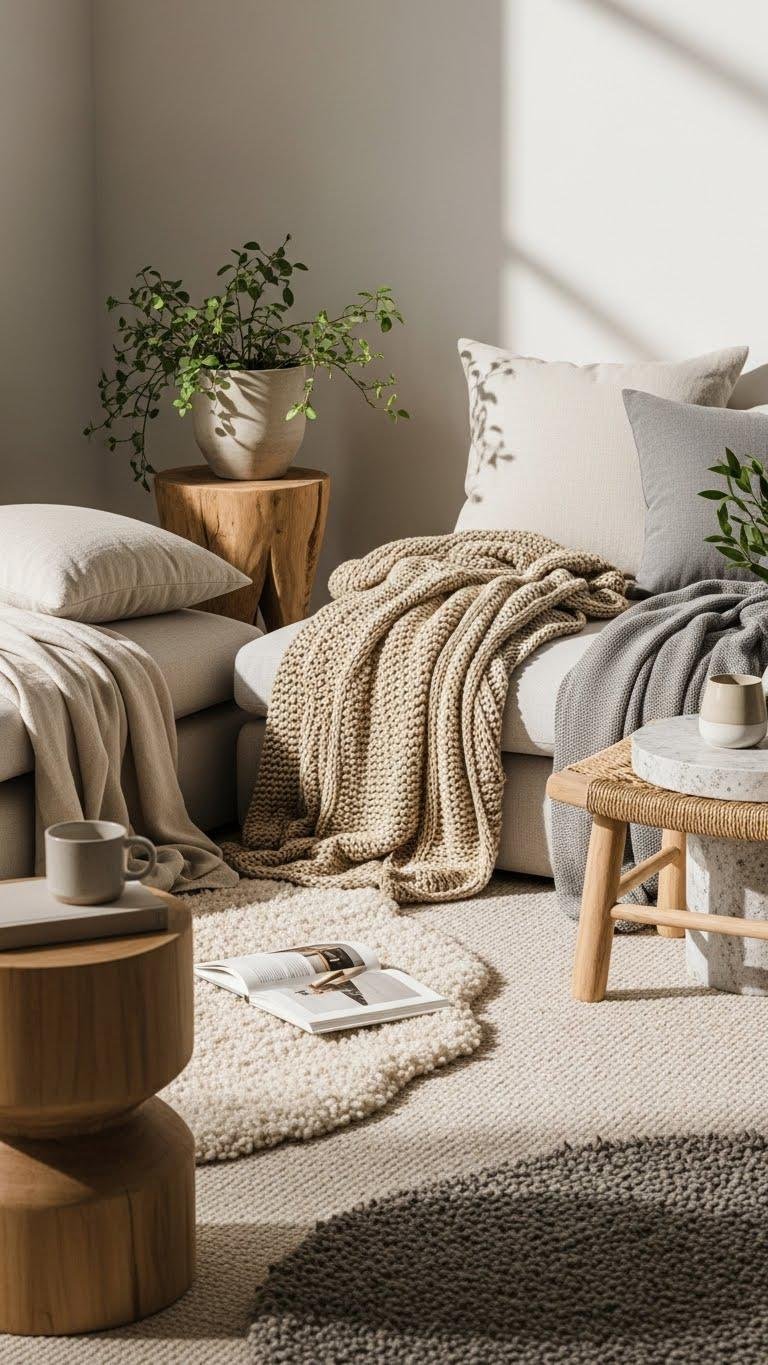
Although soft textiles bring warmth and comfort, pairing them with a few hard, natural accents grounds the room and prevents it from feeling overly plush.
You’ll mix soft linen throws and plush rugs with tactile elements like wooden stools or stone accents to add contrast. This balance keeps spaces airy yet anchored, letting you create a free, intentional sanctuary that feels both lived-in and refined.
Keep a Few Signature Pieces Rather Than Many Small Objects
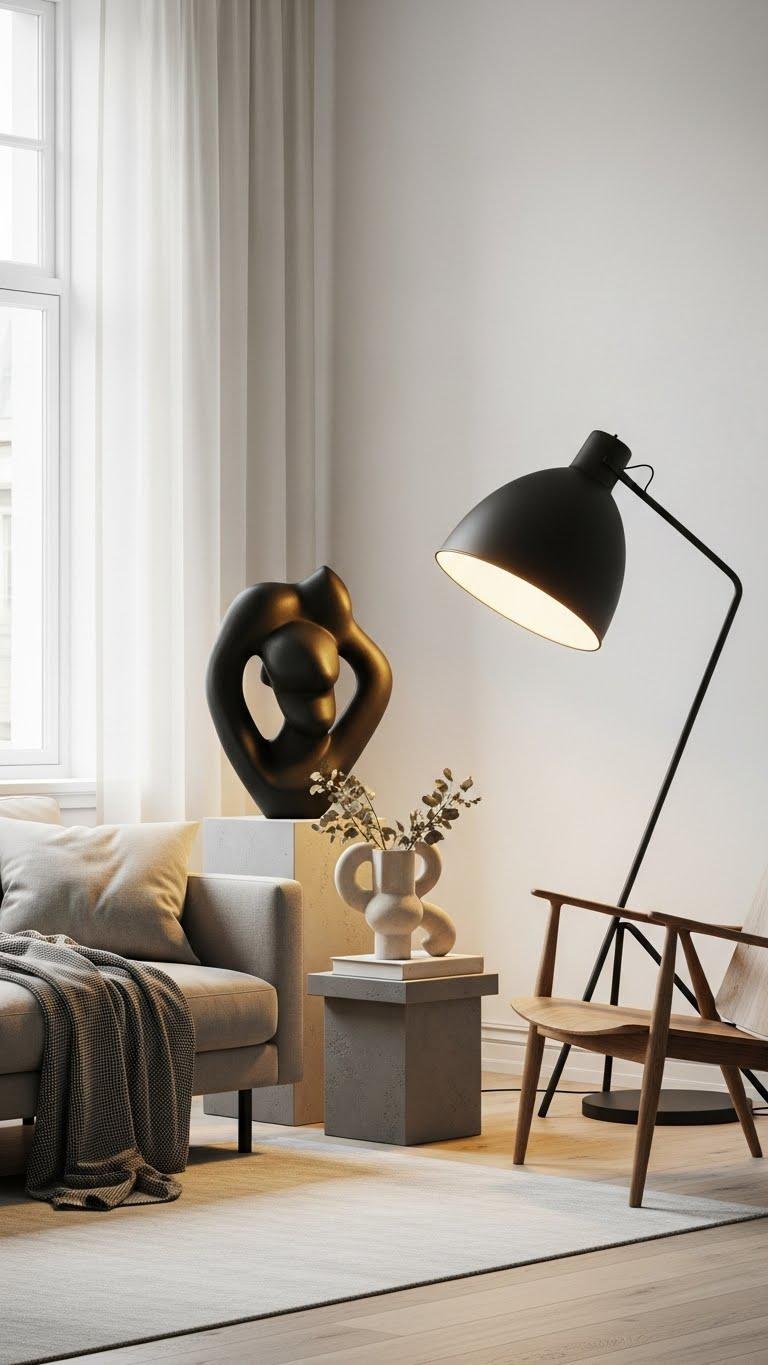
Pairing soft textiles with a few solid natural accents sets the stage for a pared-down approach to accessories: choose a handful of signature pieces instead of scattering many small objects.
You’ll create statement anchors that draw the eye and allow curated negatives to breathe. Let each piece earn its place—bold sculpture, a large lamp, an iconic chair—so your room feels open, intentional, and free.