
You’ll learn how to arrange antiques, ceramics, plants and storage so shelves feel intentional, not staged. Start by pairing patinated brass with worn leather books, then mix odd-numbered groupings, layered textures and a single sculptural anchor for balance. Hide clutter in woven bins, tuck trailing pothos into terracotta, and stagger heights for depth — and you’ll want to try a few combinations before you settle on your favorite.
Curated Antiques and Vintage Mix
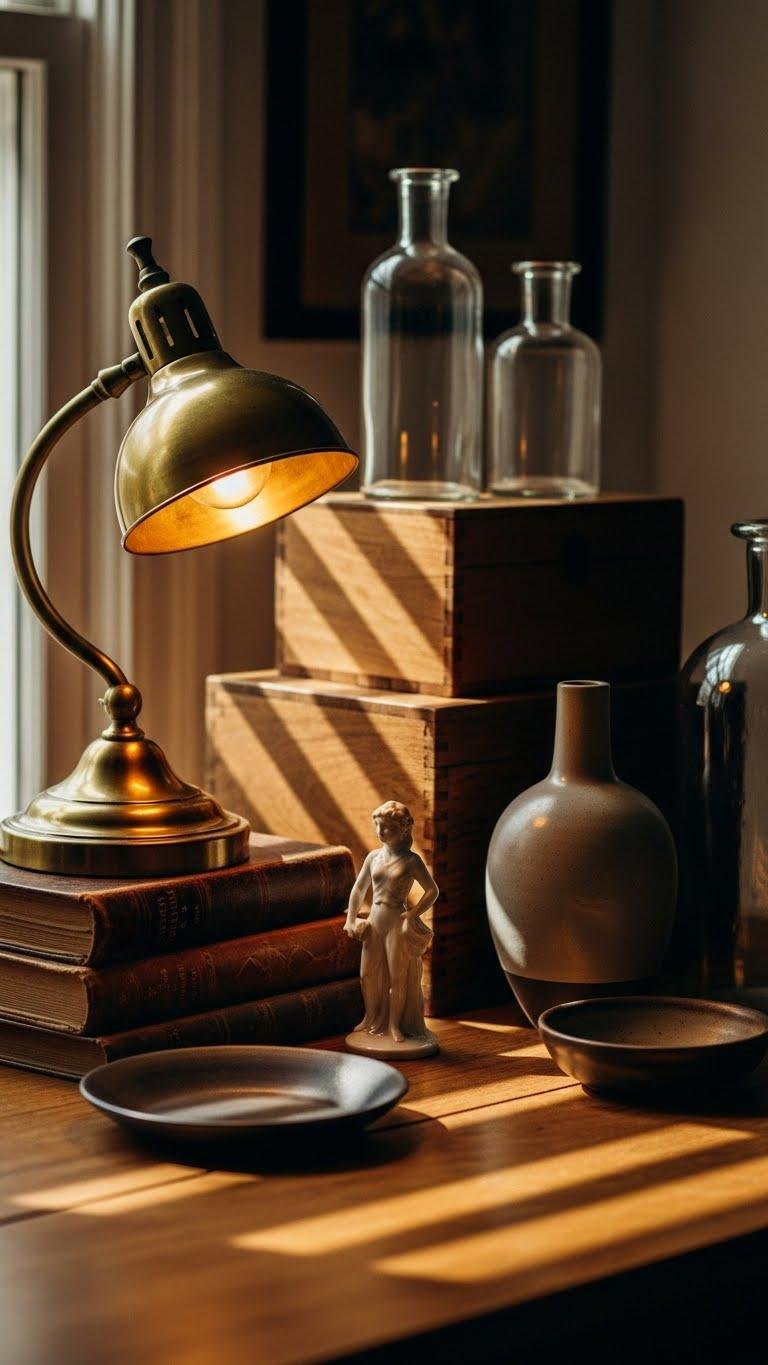
When you mix curated antiques with vintage finds, aim for intentional contrast: pair a patinated brass lamp with a stack of worn leather-bound books, place a delicate porcelain figurine beside a mid-century ceramic vase, and balance heavy wooden boxes with airy glass bottles.
You’ll use Patina pairing to anchor displays, create Heirloom storytelling through texture and scale, and let objects breathe.
Sunny Shelves With Lush Houseplants
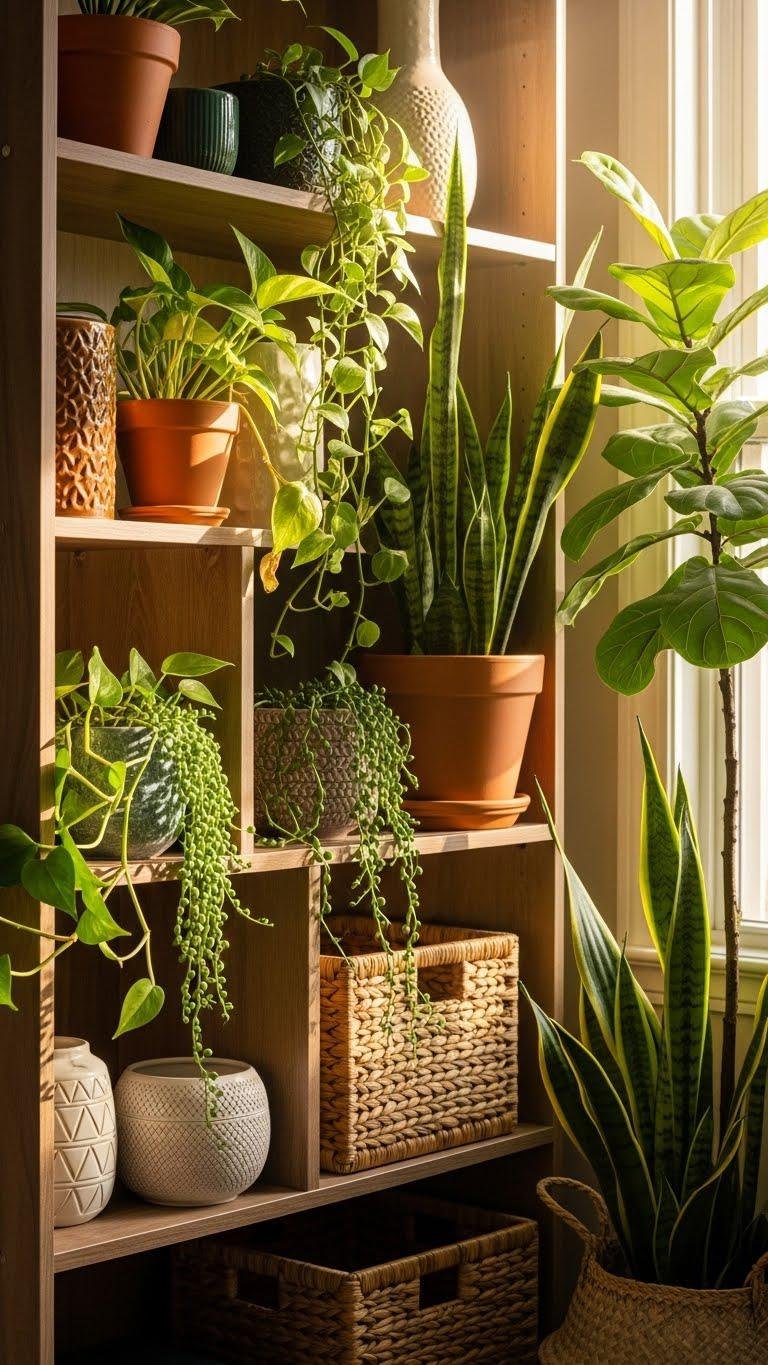
Often, place sun-loving houseplants on your brightest shelves to turn light into living decor: mix trailing pothos and string-of-pearls to spill soft green across ledges, tuck upright snake plants or fiddle-leaf figs into taller corners for vertical structure, and use terracotta, glazed ceramic, and woven baskets to add warm, earthy material contrast.
Then pair bright windowplants with a terracotta grouping, varied pot textures, and open spacing.
Asymmetrical Groupings for Visual Interest
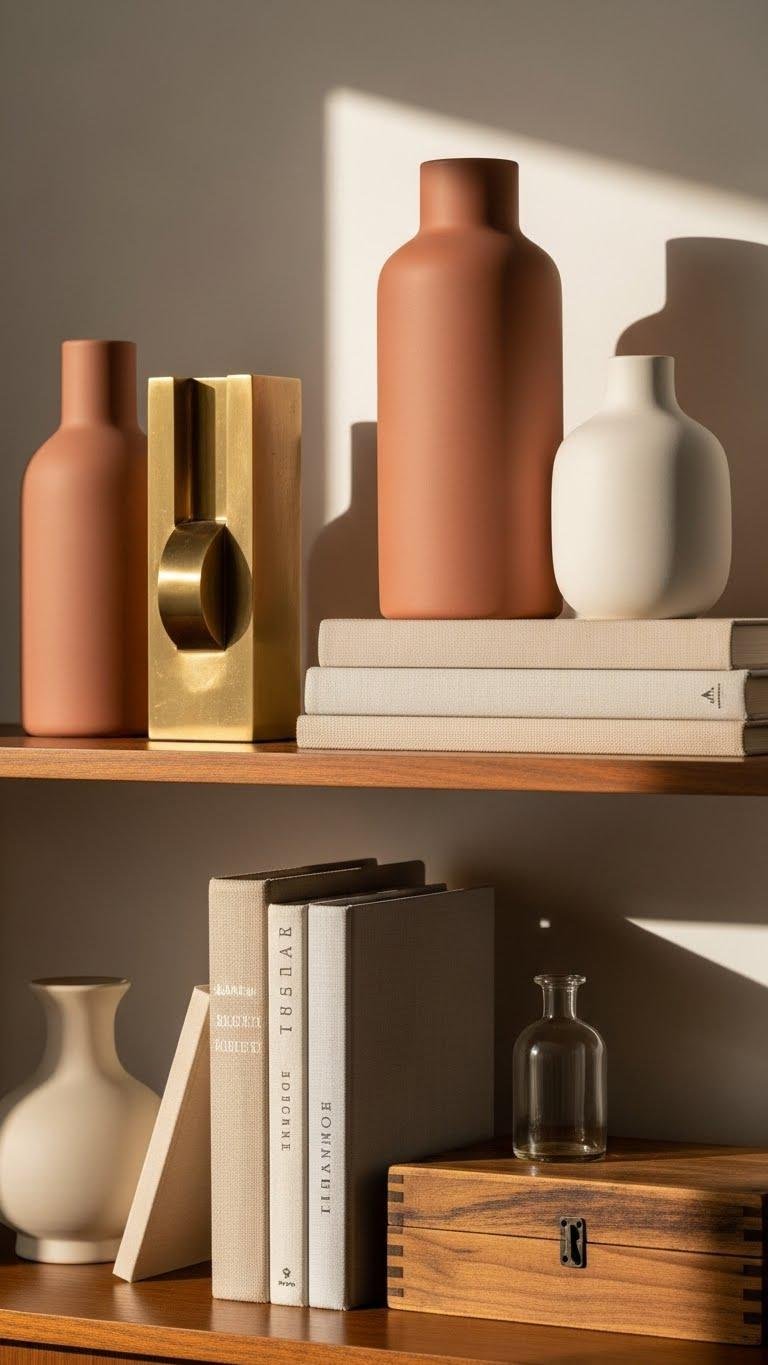
Because perfect symmetry can feel static, lean into uneven arrangements to create movement and surprise on your shelves. You’ll mix ceramics, metal, wood and glass in offset symmetry—place a tall vase beside a low stack of cloth-bound books, a sculptural object off-center. Play with layered heights and negative space, then step back and adjust until the grouping feels effortless and free.
Layered Textures and Depth
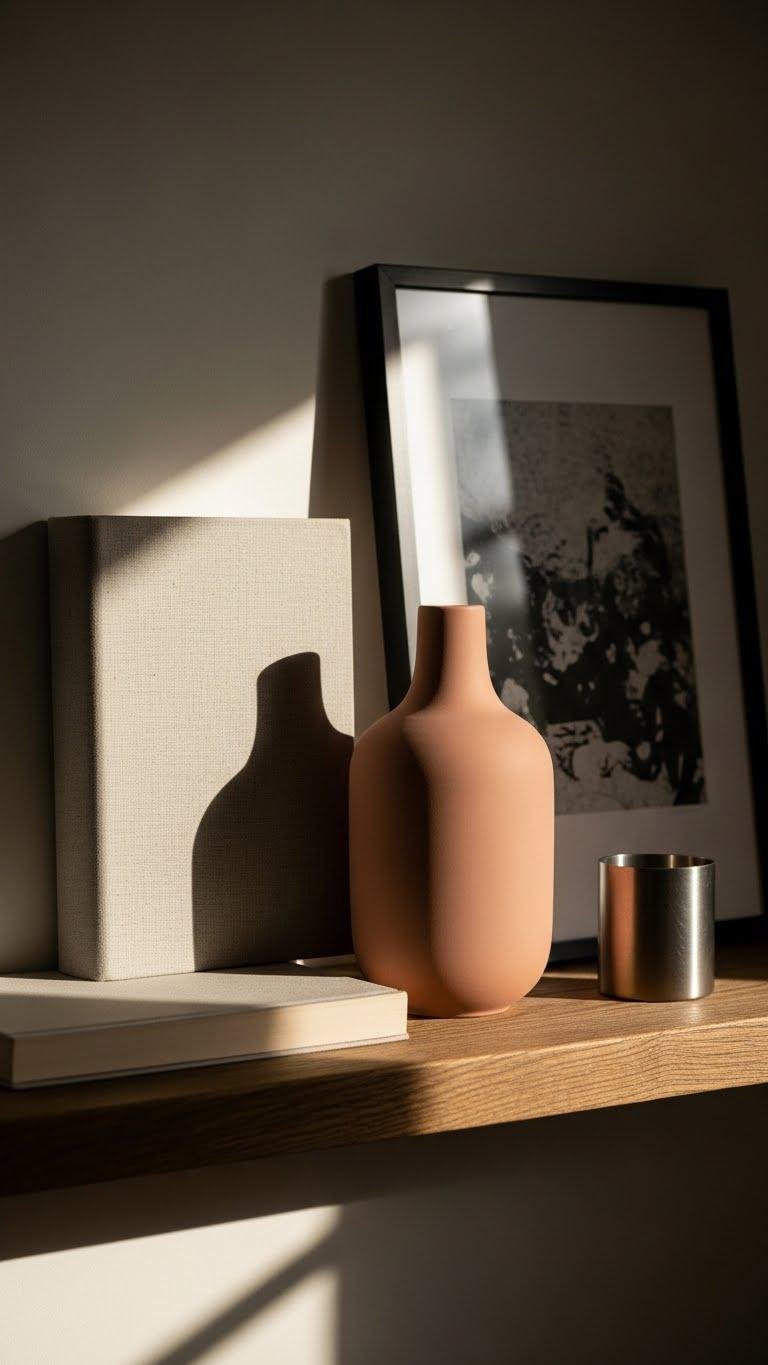
Although you might start with a single material, layering different textures—rough wood, smooth ceramic, soft cloth, and gleaming metal—adds depth and keeps the eye moving across the shelf.
You’ll use tactile layering to create intentional depth contrast: stack a linen-wrapped book beside a matte vase, lean a framed print, and place a small metal object to punctuate light and shadow, freeing your arrangement.
Hidden Storage With Stylish Bins

After you’ve built depth with varied surfaces, hide clutter without losing that tactile appeal by choosing stylish bins that echo your shelf’s materials. Mix labelled bins in matte metal or linen for tidy zones; add woven crates for organic warmth.
You’ll balance display and function, keep items accessible, and maintain a curated look that feels free, tactile, and intentionally simple.
Pastel Pops With Coordinated Books
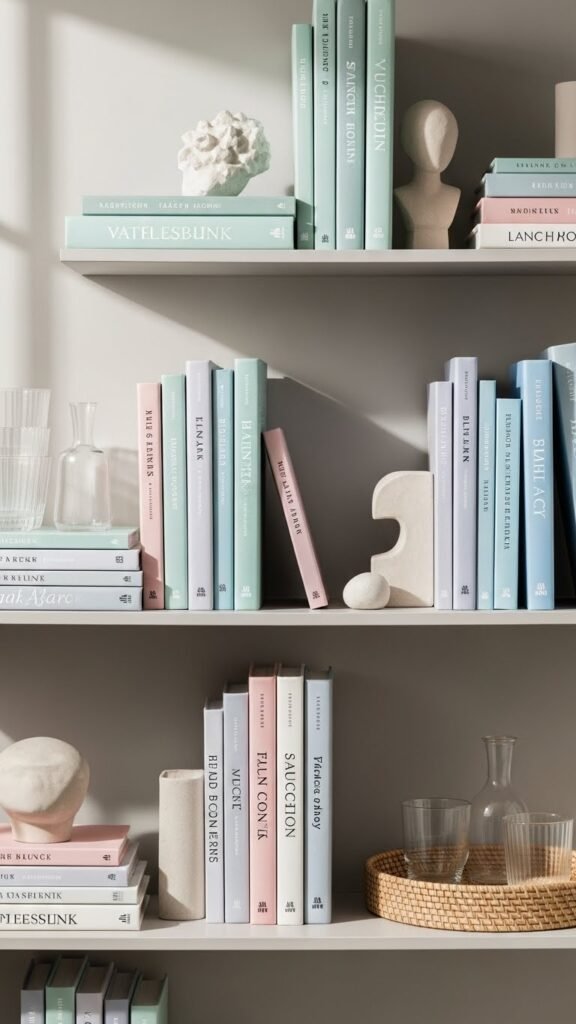
Often you’ll brighten a shelf with a few carefully placed pastel spines, coordinating books by hue to create pockets of soft color against neutral surfaces.
You arrange pastel vignettes—mint, blush, sky—mixing cloth, matte, and glossy covers for texture.
Use small sculptures, glassware, or woven trays to anchor each cluster.
Keep negative space deliberate so coordinated spines read like effortless art.
Rolling Ladder Library Display

When you introduce a rolling ladder, think of it as both a tool and a visual anchor: position the track along the longest run of shelving so the ladder connects levels and creates vertical rhythm.
Choose a slim wood or matte metal library ladder to echo shelf tones.
Let the rolling bookshelf feel lived-in: mix stacked volumes, sculptural objects, and open space for easy reach and effortless exploration.
Tetris-Style Plate Cabinetry Reveal
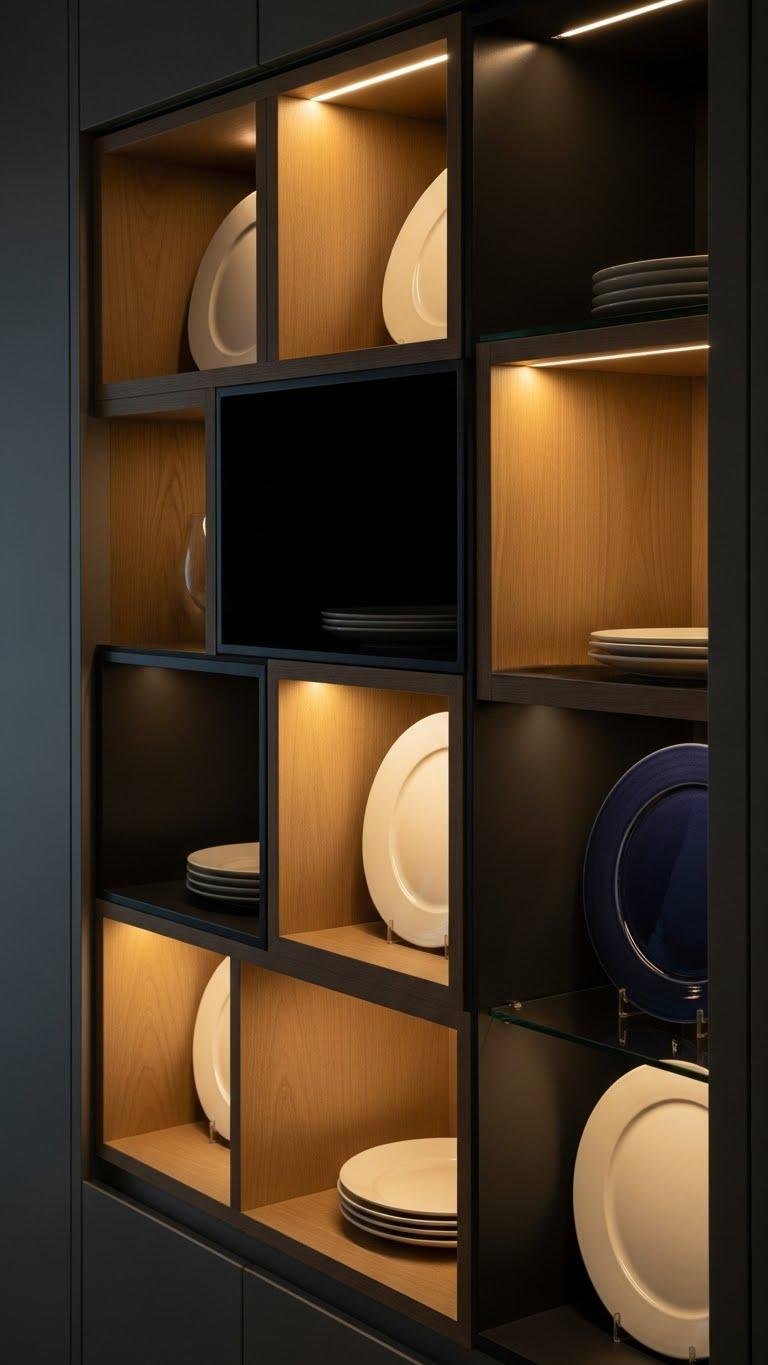
Shift your eye from vertical rhythm to playful geometry with a Tetris-style plate cabinet reveal that uses staggered cavities to showcase dishes like curated art. You’ll arrange plate alignment deliberately—mix offsets, depths, textures—so each piece reads. Choose matte wood, lacquered metal, or glass shelves and install subtle cabinet lighting to cast shadows and highlight edges. Keep spaces breathable; don’t overcrowd.
Tall Top-Shelf Plant Installations

If you want to add vertical drama, install tall plants on top shelves to draw the eye upward and soften hard lines.
Choose sculptural palms, snake plants or bamboo in raw clay or matte metal pots.
Pair with hanging macramé for texture and airborne presence; tuck cascading orchids to spill softly over edges.
Keep spacing airy, materials honest, lines unfettered for a liberated look.
Odd-Numbered Object Triads

Group items in threes to create balanced, lively arrangements that read as intentional rather than cluttered. You’ll place odd trios—ceramic vase, brass object, woven bowl—so textures contrast and light plays across surfaces. Vary heights and materials for balanced threes: matte, shiny, organic. Keep negative space around the group so each piece breathes. Trust proportion and tactile variety to feel effortless.
Stacked Books Anchors With Trinkets

Stack stacked books to form a low, stable podium and top them with a single trinket or a small trio—think a carved stone, a metal paperweight, or a tiny ceramic cup—so the pile reads as an intentional anchor rather than a stray stack. You’ll create stacked anchors with confident trinket pairings: mix textures, limit color, balance weight, and leave breathing room for a liberated, calm shelf.
Glass Jar Collections and Apothecary Corners
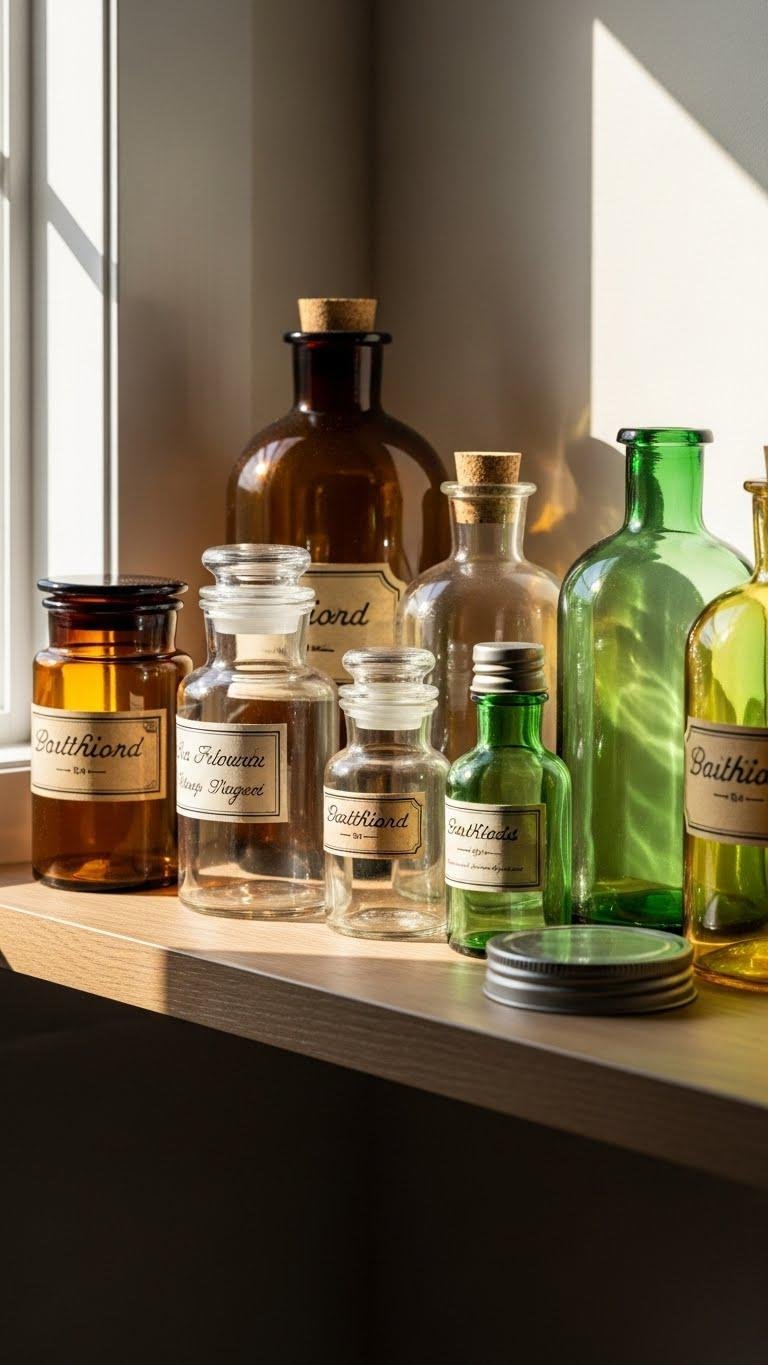
Lean into translucent order: arrange varied glass jars and apothecary bottles by height and content so light travels through amber, clear, and green tints, highlighting labels, corks, and metal lids. You’ll mix antique apothecary pieces with modern labeled canisters, grouping by texture and purpose. Leave negative space, rotate pieces, and let airy symmetry feel effortless—functional, curated, and free.
Faux Greenery for Low-Maintenance Life

Bring in greenery that never needs tending by choosing high-quality faux stems and plants that mimic real texture and scale. You’ll layer silk stems in matte ceramic vases, tuck maintenance free ferns into woven baskets, and balance heights for effortless rhythm.
Opt for varied leaf shapes and muted tones to read natural. You get verdant style without upkeep, freeing time and keeping shelves crisp.
Framed Art Leaning Against the Back

Although it sits casually against the shelf back, framed art becomes an anchor that defines scale and mood; you’ll mix frame finishes and mat sizes to create depth and cohesion. Lean a few leaned landscapes beside sculptures, pairing glass and wood, metal and painted frames. Use layered frames to vary sightlines, let negative space breathe, and rotate pieces seasonally for effortless, liberated display.
Sculptural Statements and Single-Item Focus
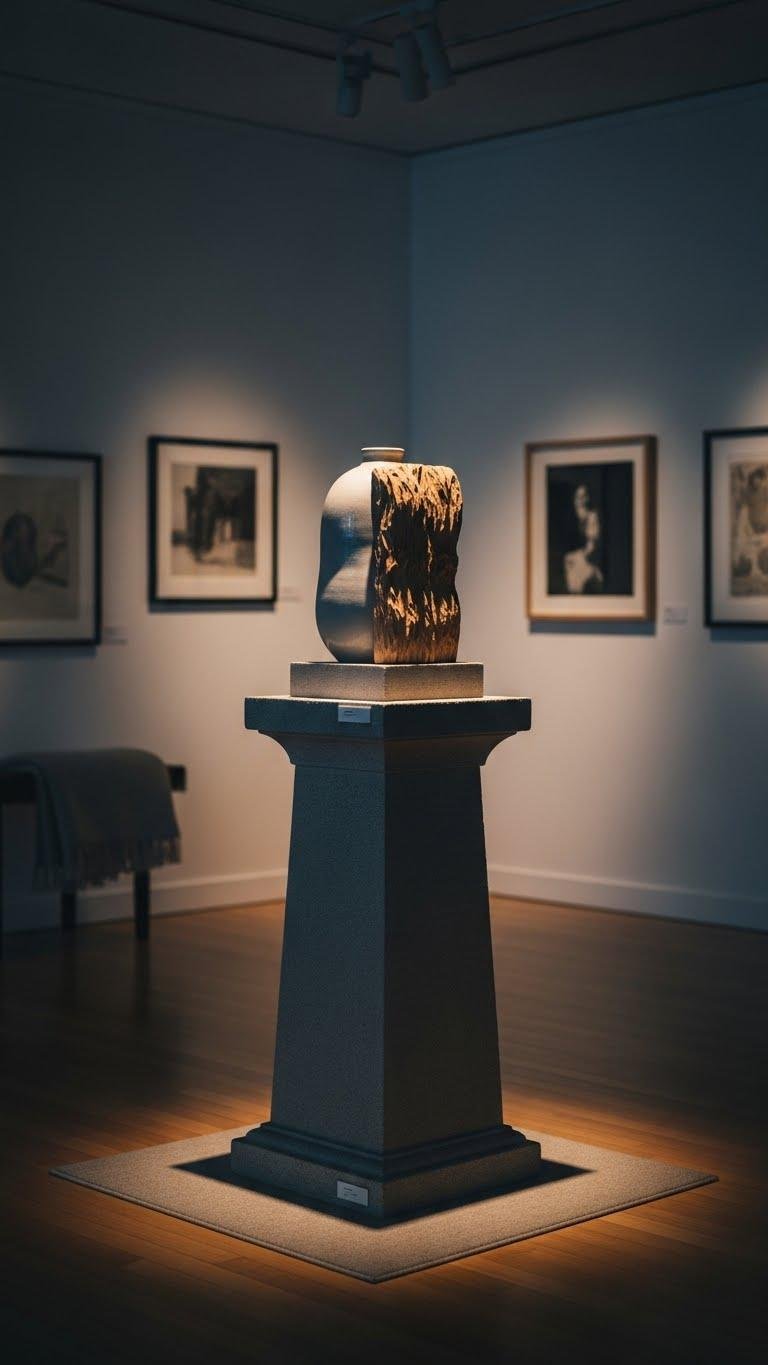
When you want a shelf to read like a gallery, let a single sculptural object take the lead—choose a piece with strong silhouette, tactile material (stone, blown glass, carved wood, or matte ceramic), and a finish that catches light differently than nearby frames and textiles. You’ll place it on a dramatic pedestal, respect negative space, and let that solitary form set mood, scale, and rhythm for the shelf.
Kitchen Cookbook and Utensil Showcase
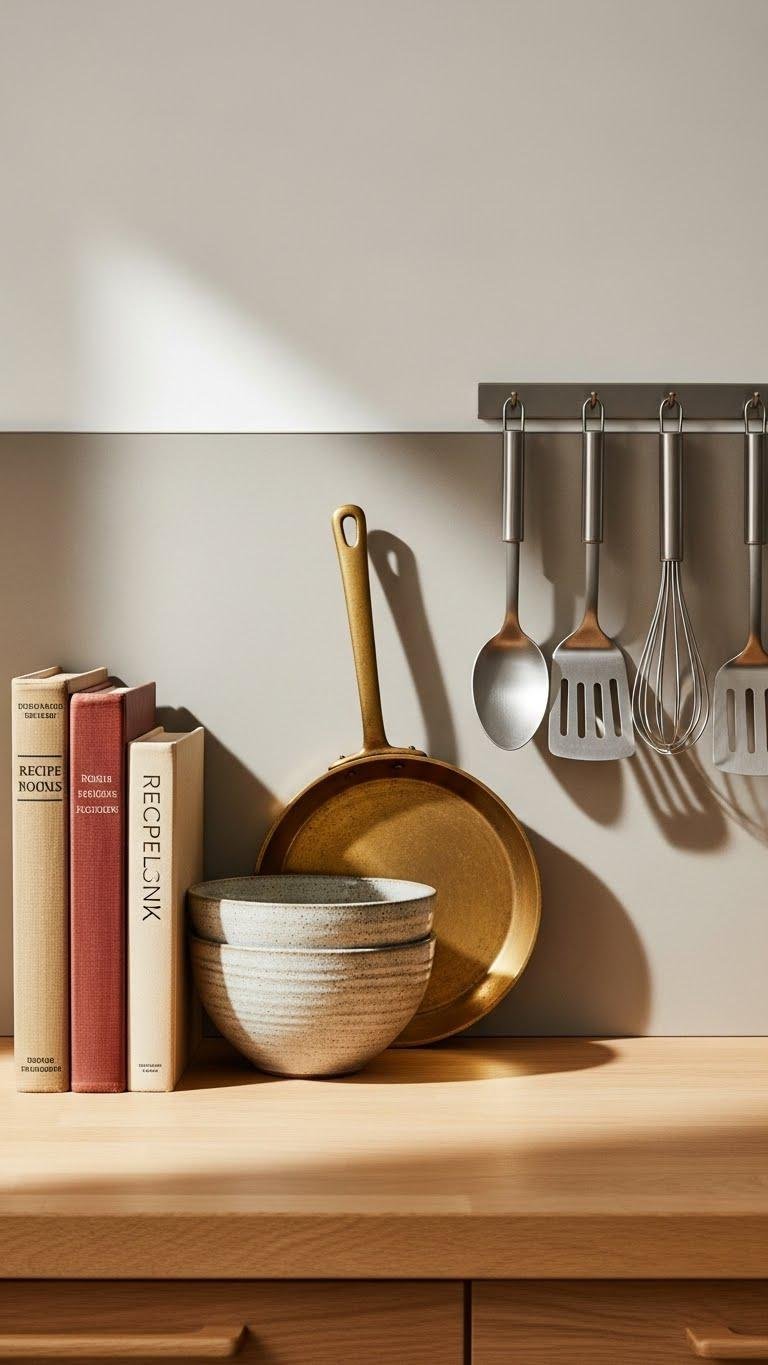
Shifting from a gallery-like single object, bring the same sculptural sensibility to the kitchen by arranging cookbooks and utensils as a curated trio of forms.
Line Rustic Recipebooks vertically, anchor one with a stoneware bowl, lean a brass skillet for contrast.
Hang Magnetic Utensils nearby for linear rhythm.
Choose natural woods, matte metals, and open space so the display reads intentional and free.
Color-Blocked Book Spine Arrangements
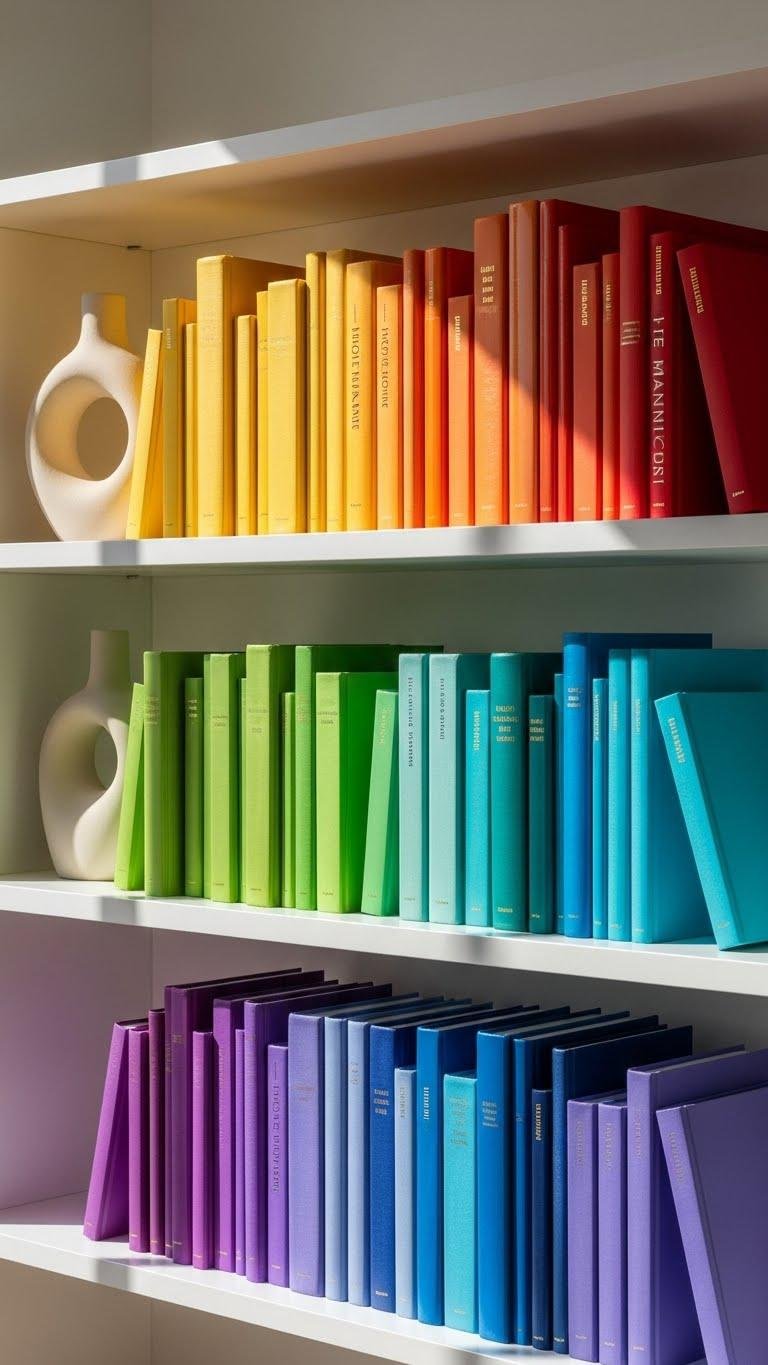
Often you’ll group books by color to make a bold, graphic statement on your shelf. Arrange rainbow spines into crisp zones, alternating texture—linen covers, glossy jackets, leather edges—for contrast. Create ombre stacks by height and hue, anchoring with a sculptural object or ceramic vase. You’ll keep lines clean, let materials sing, and enjoy the freedom to shift palettes seasonally.
Repurposed Hutch Open Display
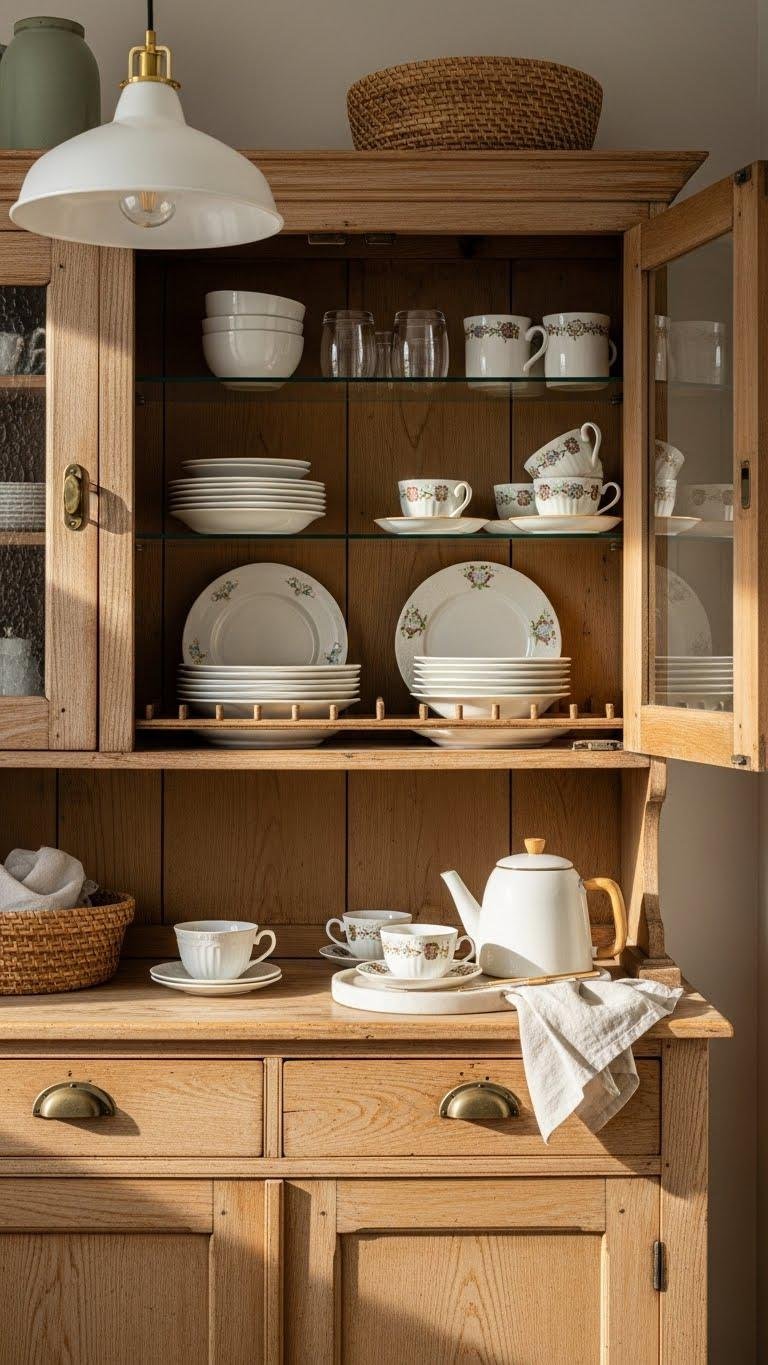
Pull a vintage hutch into a new life as an open display and let its original woodgrain and hardware set the tone. Embrace a distressed finish, clear shelves, and a low plate ledge for stacked plates. Stage a relaxed tea station, mix heirloom pieces, and do a china swap to refresh mood. Keep negative space, tactile materials, and effortless flow for liberated styling.
Trailing Pothos and Ivy Cascades

After you’ve freed the hutch’s shelves to breathe, introduce trailing pothos and ivy to add soft, living movement down the faces and edges.
You’ll drape glossy vines against raw wood, create vining light scapes with string lamps, and place glass propagation stations for cuttings.
Let leaves soften corners, trail over ceramics, and invite easy maintenance—practical, airy, and unmistakably free.
Small Succulent Grid for Modern Minimalism
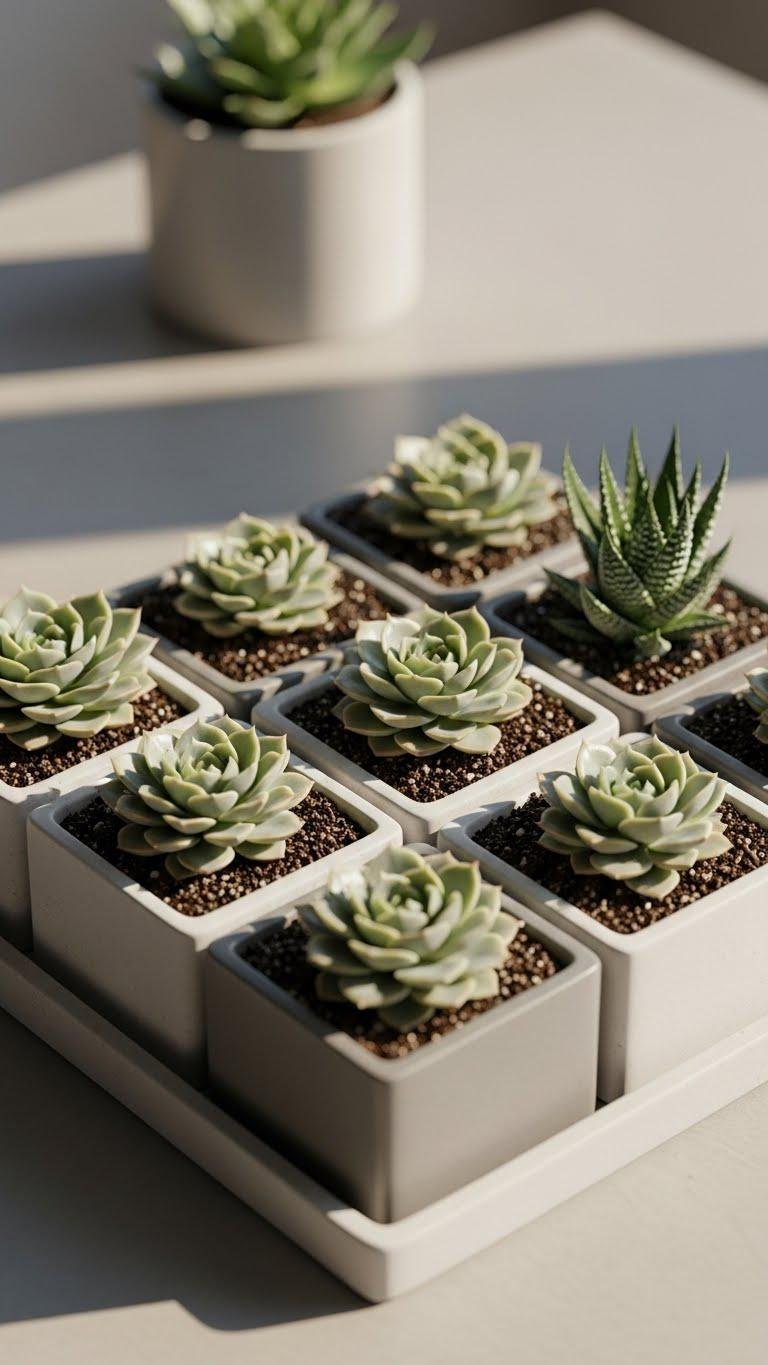
Slide a compact grid of small succulents onto a shallow tray to create a crisp, modern focal point that’s low-maintenance and highly tactile. You’ll arrange grid planters with varied rosettes for succulent symmetry, choosing matte ceramic or concrete for weight and contrast. Keep soil surface neat, rotate for even light, and leave breathing space—minimal, controlled, liberating.
Playful Whimsy With Funky Sculptures
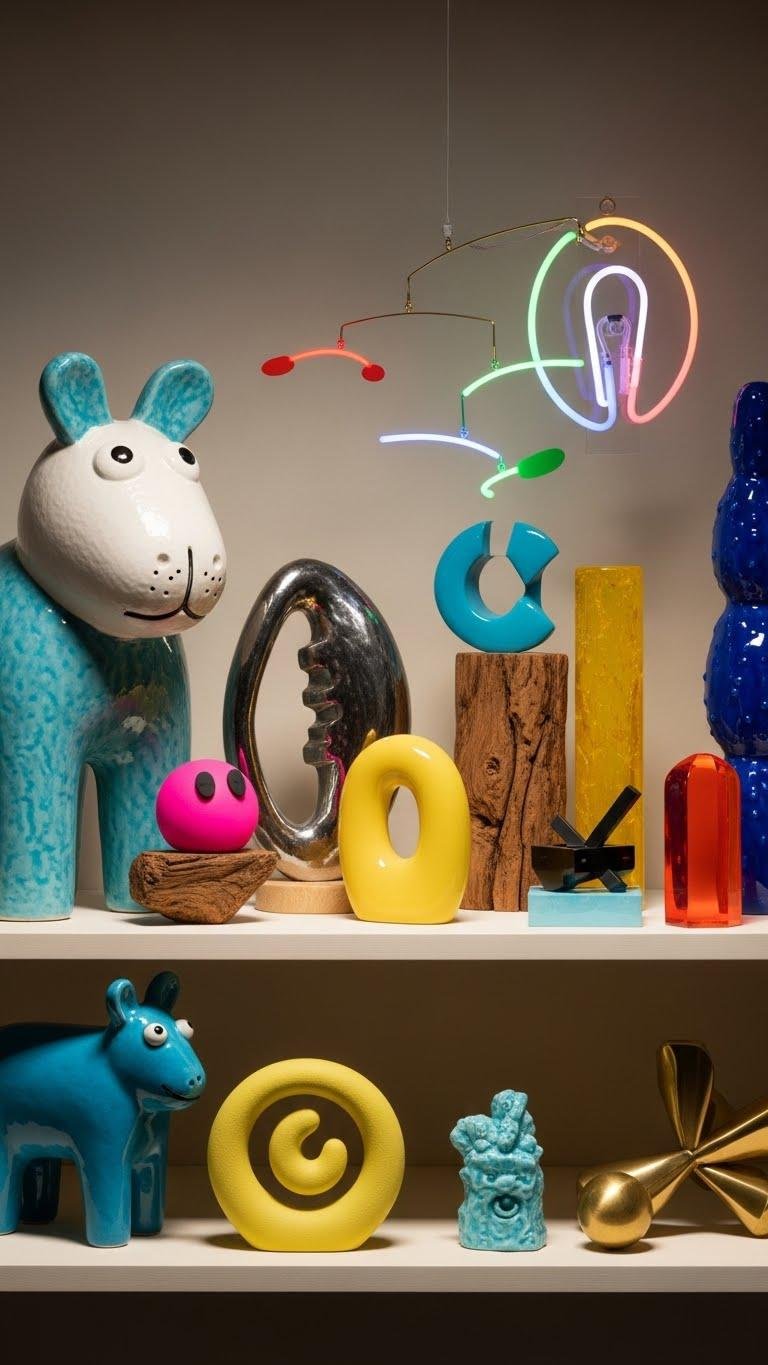
[Bring in unexpected shapes and colors to loosen a formal shelf—choose playful sculptures that pop in scale, texture, and finish. You’ll mix ceramic quirky animalatures, metal abstracts, and neon mobiles to energize space. Pair matte clay with glossy resin, rough-hewn wood with polished brass. Let one sculpture anchor, another contrast in height and surface, and let placement feel free, tactile, and deliberate.]
Rule of Thirds Shelf Compositions
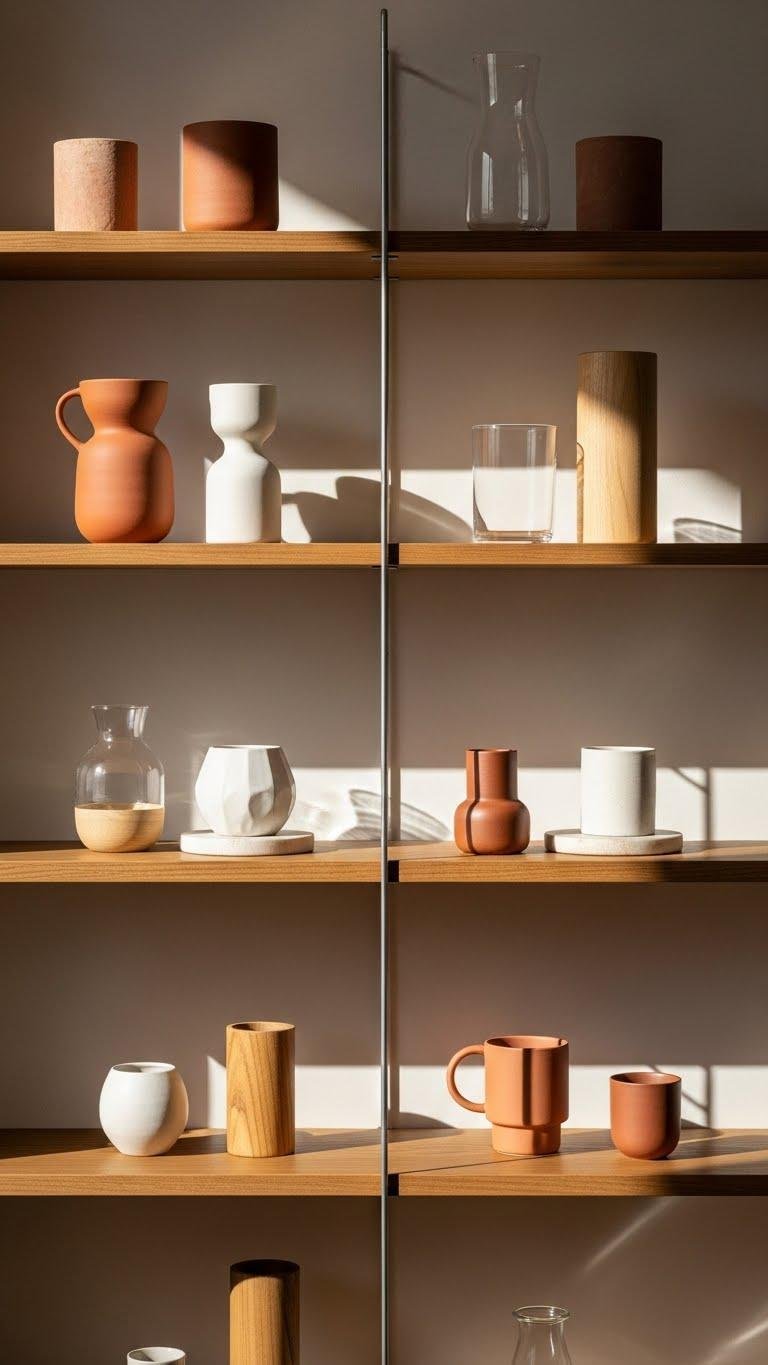
When you apply the rule of thirds to a shelf, divide the visual plane into three vertical and three horizontal zones and position key objects where those lines intersect to create natural balance and tension. You’ll place ceramics, glass, and wood at intersections, leave intentional negative space, and craft miniature vignettes that feel airy.
Mix textures, vary heights, and embrace effortless, material-led freedom.