
You can make minimal spaces feel genuinely warm without clutter or fuss. Start with a narrow neutral backdrop and layer sandy beiges, soft taupes, and muted terracotta in textiles, wood tones, and ceramics. Focus on human‑scale furniture, tactile rugs, and warm lighting to create a calm, lived‑in look that still breathes. Below are 23 practical ideas to guide how to build that quietly inviting aesthetic.
Embrace a Narrow Neutral Backdrop
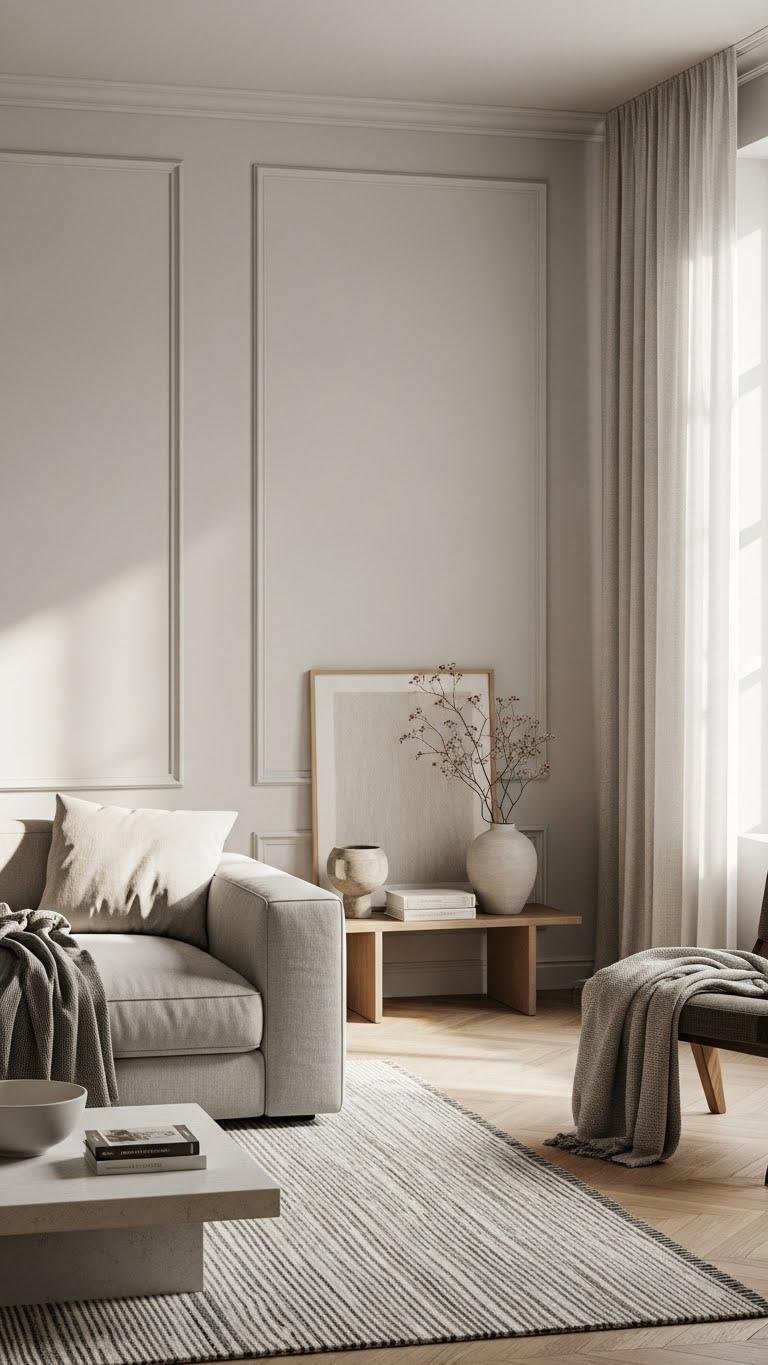
Start with a narrow neutral backdrop to let texture and warm accents take center stage; a restrained palette of soft beiges, greys, or off-whites creates a calm canvas that won’t compete with your furnishings. You’ll choose soft beige walls, subtle narrow patterns in rugs, linen layers on seating, and muted trims.
This lets your pieces breathe while keeping the room quietly liberated and intentional.
Layer Warm Neutrals Tonally
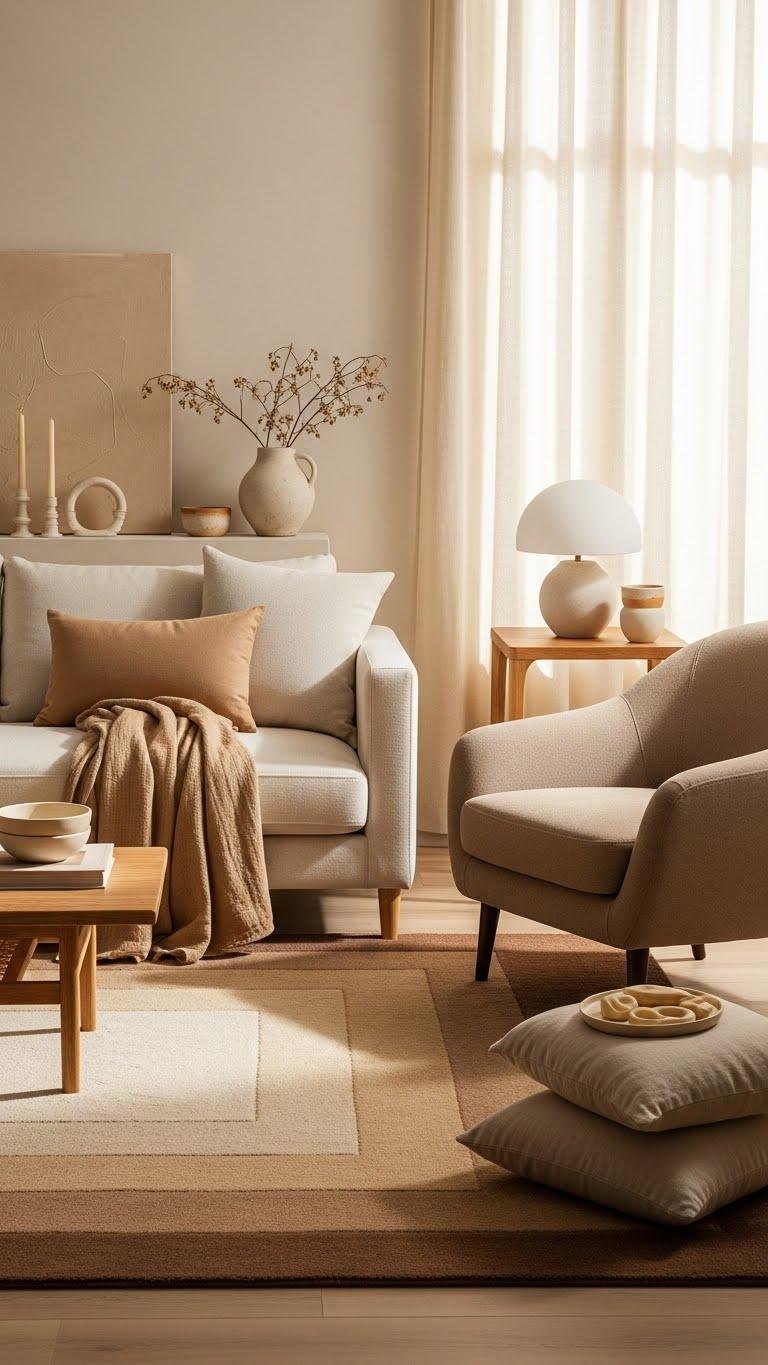
Texture and tone work together when you layer warm neutrals tonally: pick a base hue—warm off-white, sandy beige, or soft taupe—and build up depth by introducing progressively richer shades in nearby elements like throws, rugs, and upholstery.
You’ll balance matte linens, low-sheen woods, and a hint of creamy ochre in ceramics or cushions, keeping spaces calm, liberated, and intentionally curated.
Introduce Two to Three Muted Accent Hues
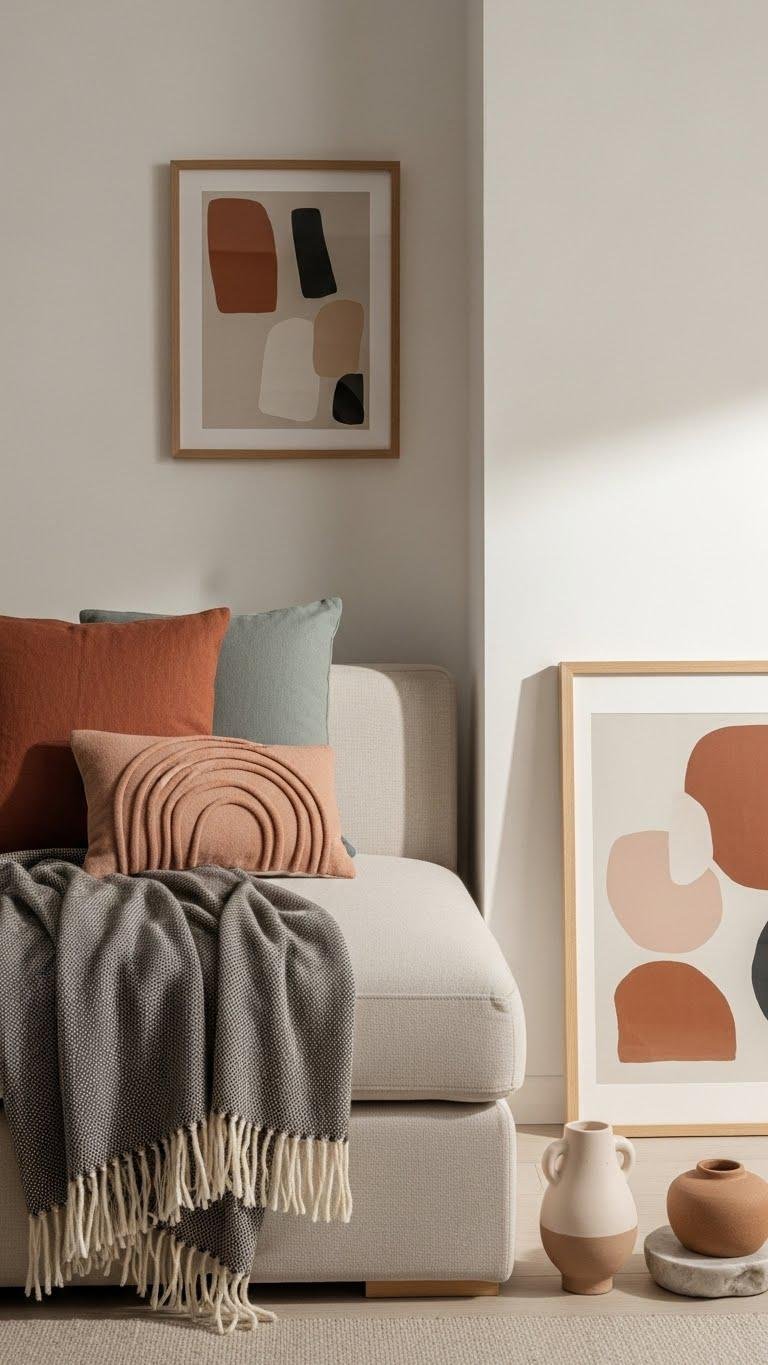
When you introduce two to three muted accent hues, you give a warm minimalist scheme just enough personality to feel curated rather than flat. Pick a palette—muted terracotta, sage gray, dusty blush, and warm stone—and apply them sparingly: a throw, a pillow, an art piece. You’ll create restraint with soul, letting spaces breathe while expressing calm freedom.
Choose Natural Wood Furniture
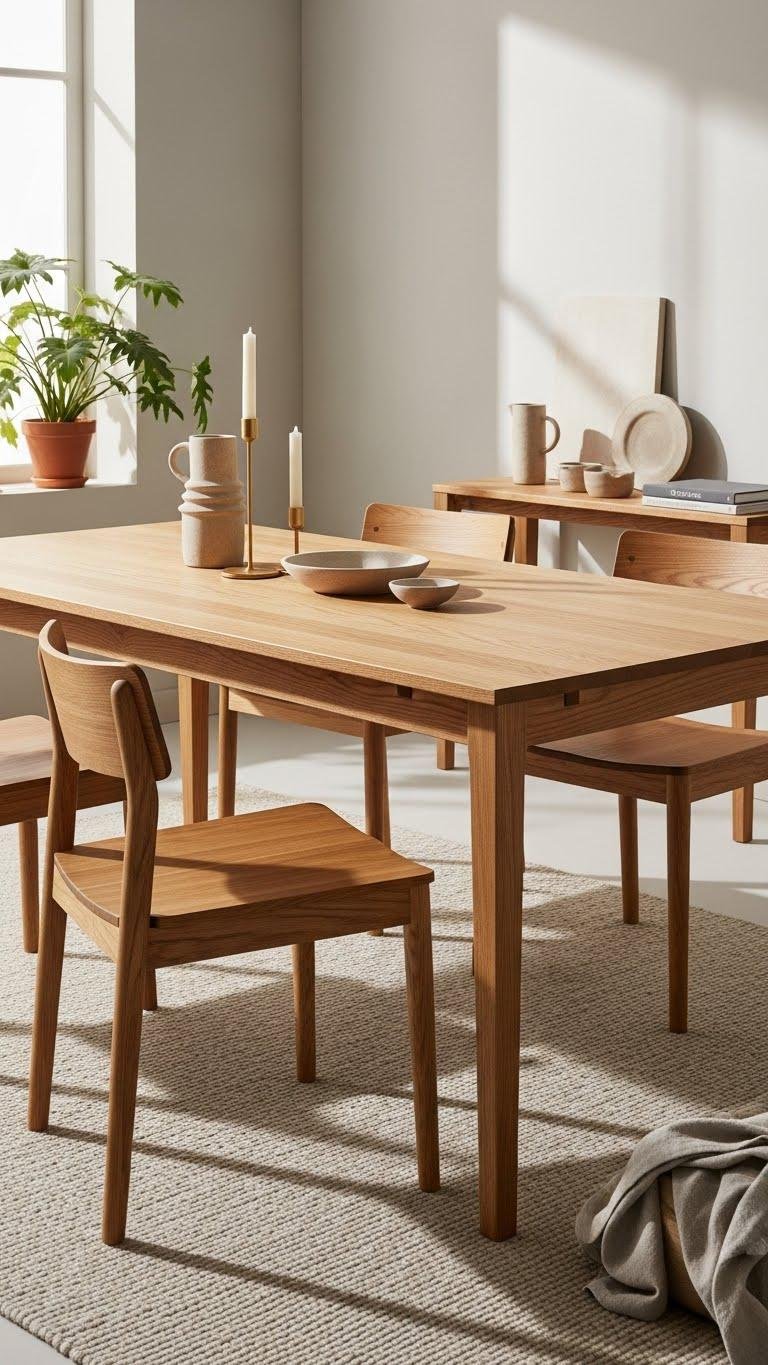
Choose natural wood furniture to anchor a warm minimalist room—its grain, tone, and simple silhouettes bring organic warmth without clutter.
You’ll favor pieces showing honest grain matching techniques and refined joinery aesthetics, so each item feels deliberate and durable.
Opt for streamlined forms, sustainable sourcing, and mixed-scale items that let you move freely, edit often, and keep the space calm yet expressive.
Mix Matte and Soft‑Sheen Surfaces
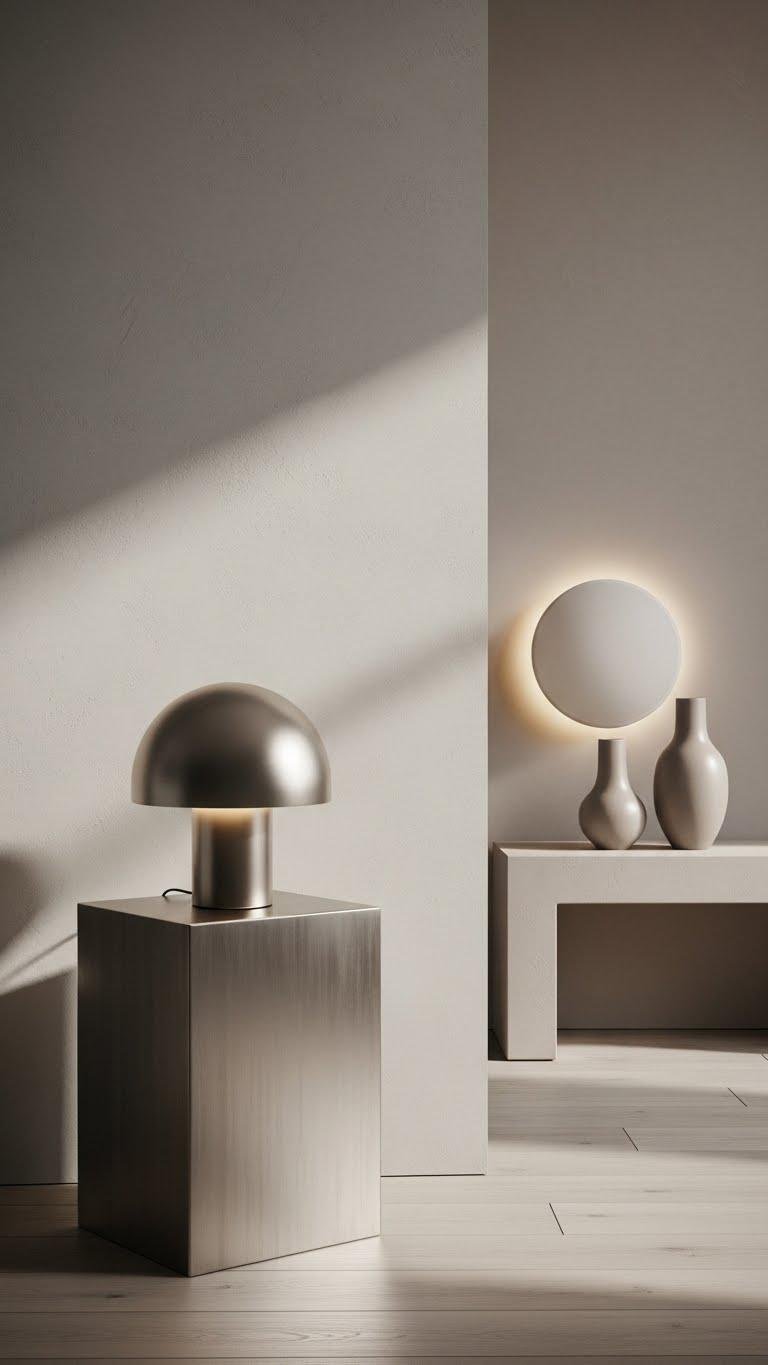
Layer matte walls with soft‑sheen accents to give a warm minimalist room depth without fuss—matte surfaces absorb light and read calm, while low‑luster sheens catch it just enough to reveal material quality. You’ll choose finishes that create tactile contrast and reflective balance: brushed metals, satin lamps, and muted ceramics. Keep palettes restrained, place gleam sparingly, and let surfaces whisper rather than shout.
Add Textured Rugs and Throws
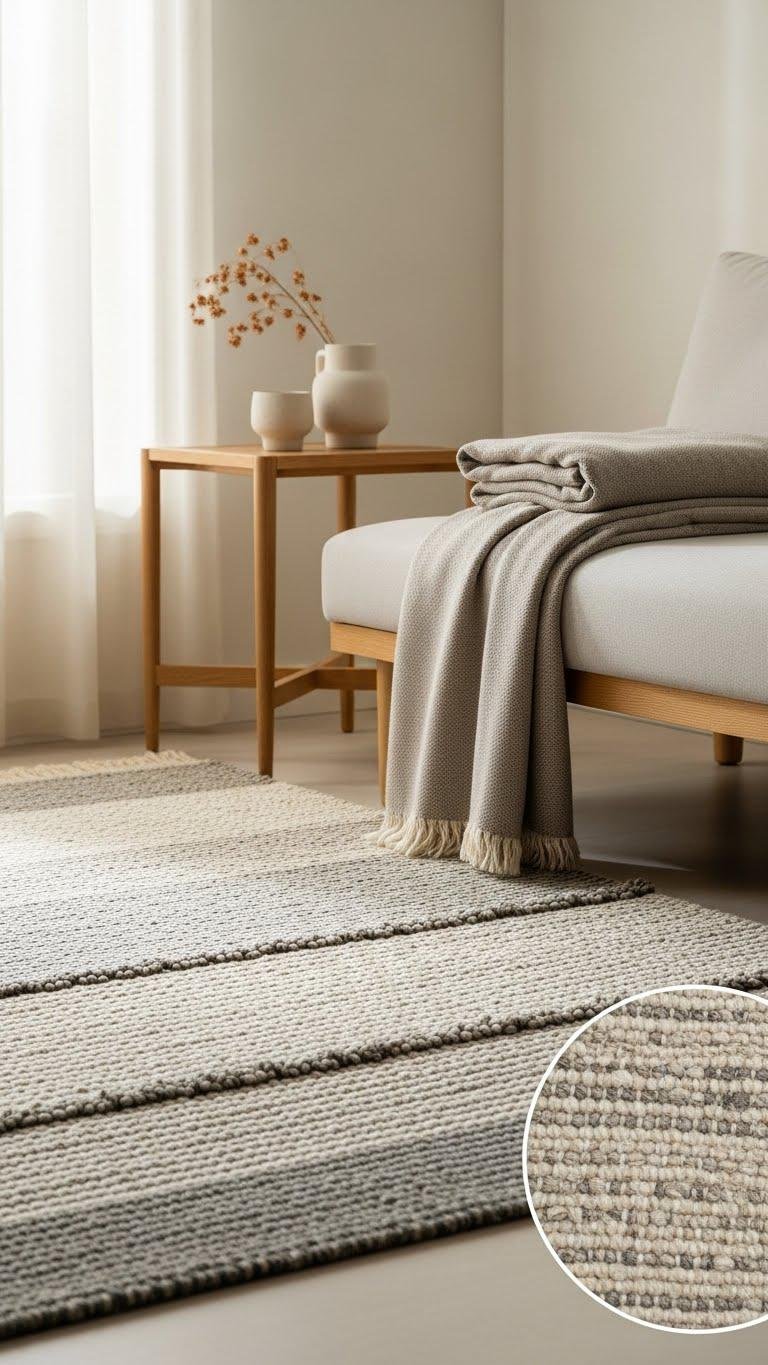
Bring in textured rugs and throws to anchor the room and soften its clean lines—these tactile layers add warmth, define zones, and invite touch without cluttering the minimal aesthetic. You’ll choose handwoven textures and selective high pile layering to create contrast and comfort. Place a low-profile rug, fold a neutral throw over seating, and keep palettes restrained so freedom and calm remain central.
Opt for Organic Curves in Seating
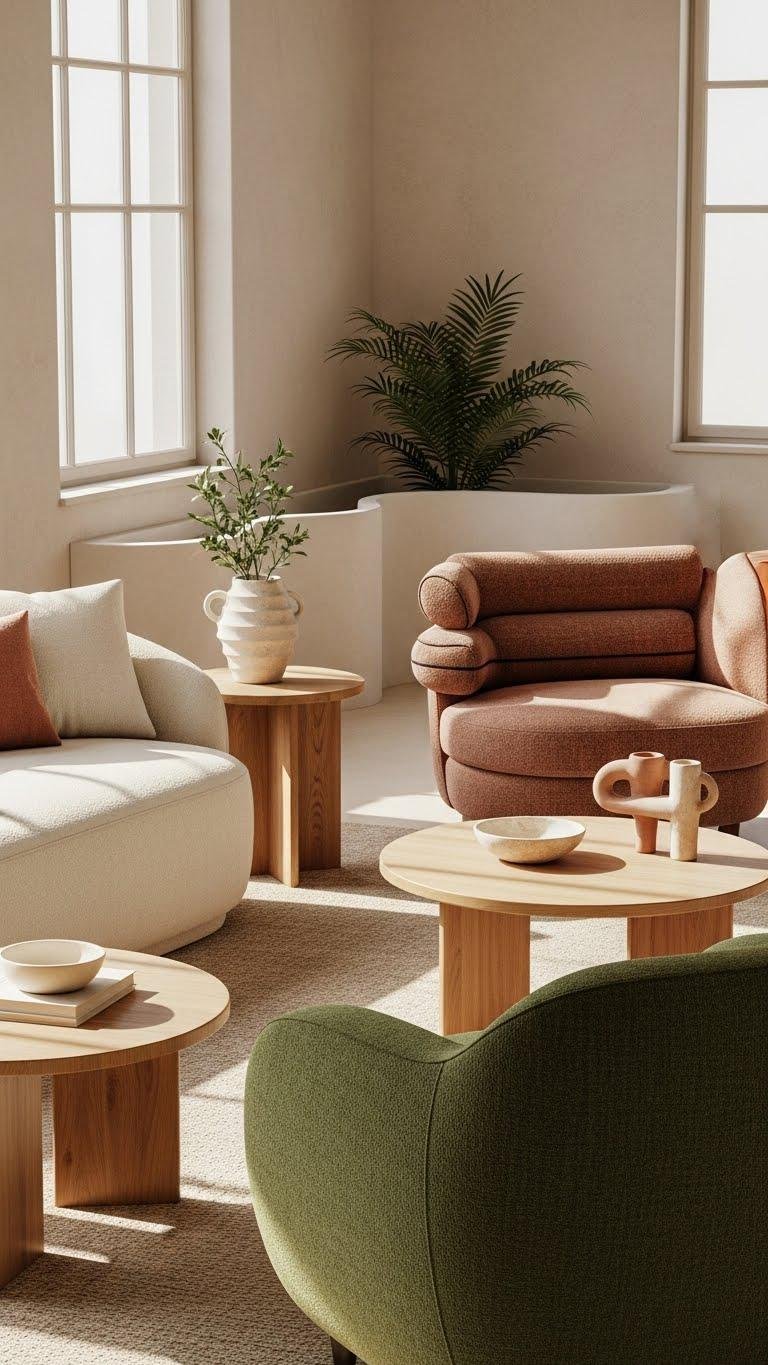
Why not soften the room’s geometry with seating that favors gentle, organic curves? Choose chairs and sofas with enveloping silhouettes to invite relaxation and movement.
Pair them with textured cushions, curved planters nearby, and rounded side tables to echo shapes without clutter. You’ll create a liberated, tactile space that feels intentional, calm, and effortlessly warm—minimalism that welcomes rather than restricts.
Prioritize Proportionally Scaled Pieces
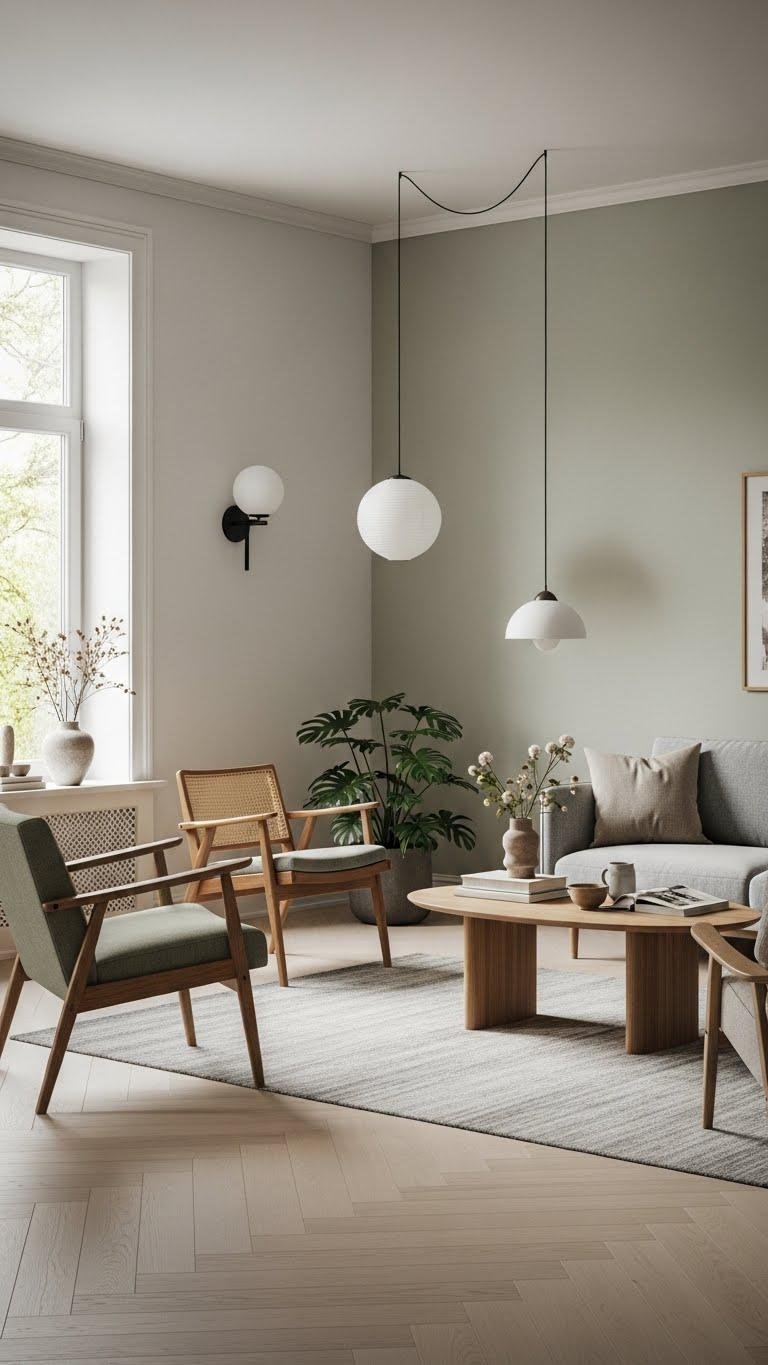
When you choose pieces that match the room’s scale, everything feels intentional and calm rather than crowded or sparse.
You’ll pick furniture with balanced silhouettes that respect sightlines and movement, letting each item breathe.
Favor lighting, rugs, and scaled greenery that reinforce proportion, and resist oversized or miniaturized accents.
The result is a liberating, composed space that invites ease and choice.
Use Multifunctional Furniture Strategically
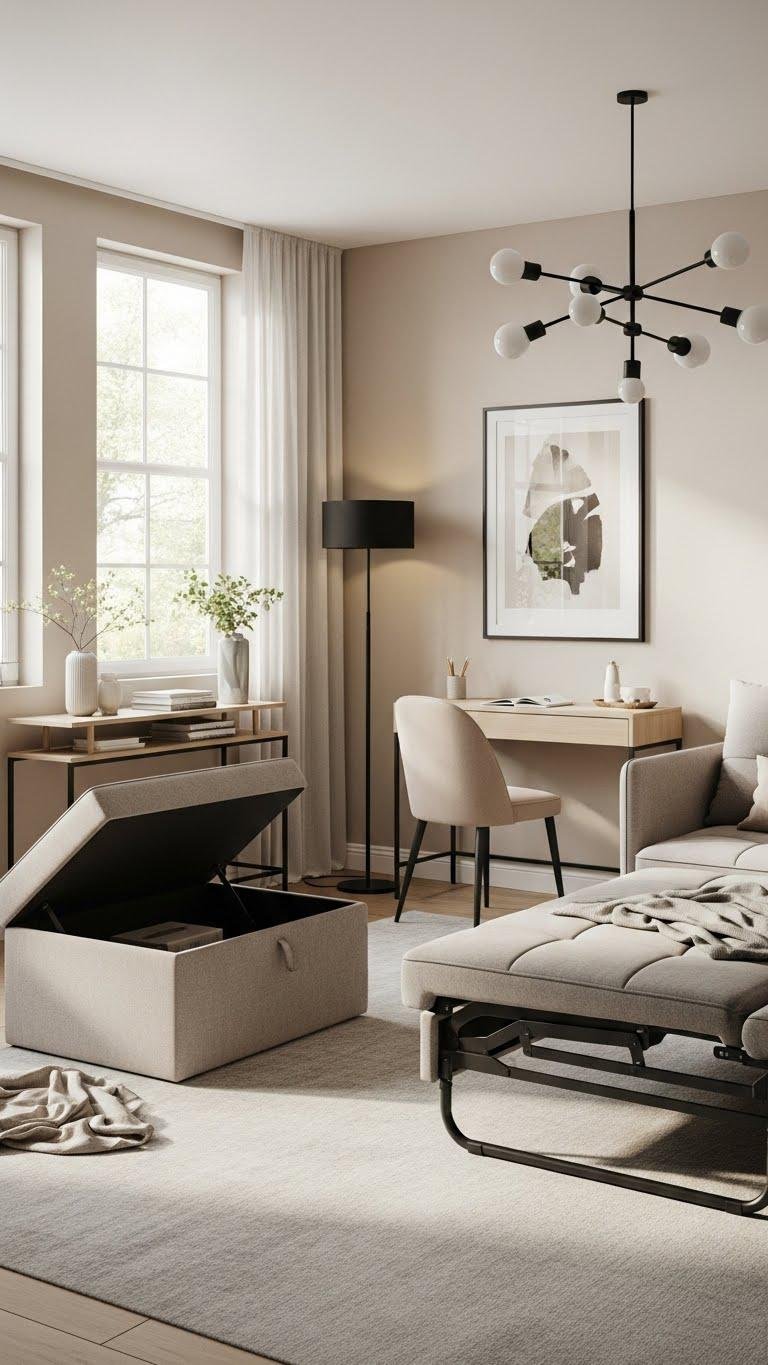
Think of multifunctional furniture as your room’s secret command center: it gives you more utility without crowding the aesthetic. You’ll choose pieces that free movement and simplify living — ottomans with hidden storage, sleek consoles that double as desks, convertible seating that adapts to guests. Place them with intent so every item earns its keep, supports calm, and lets you live with effortless freedom.
Leave Deliberate Negative Space
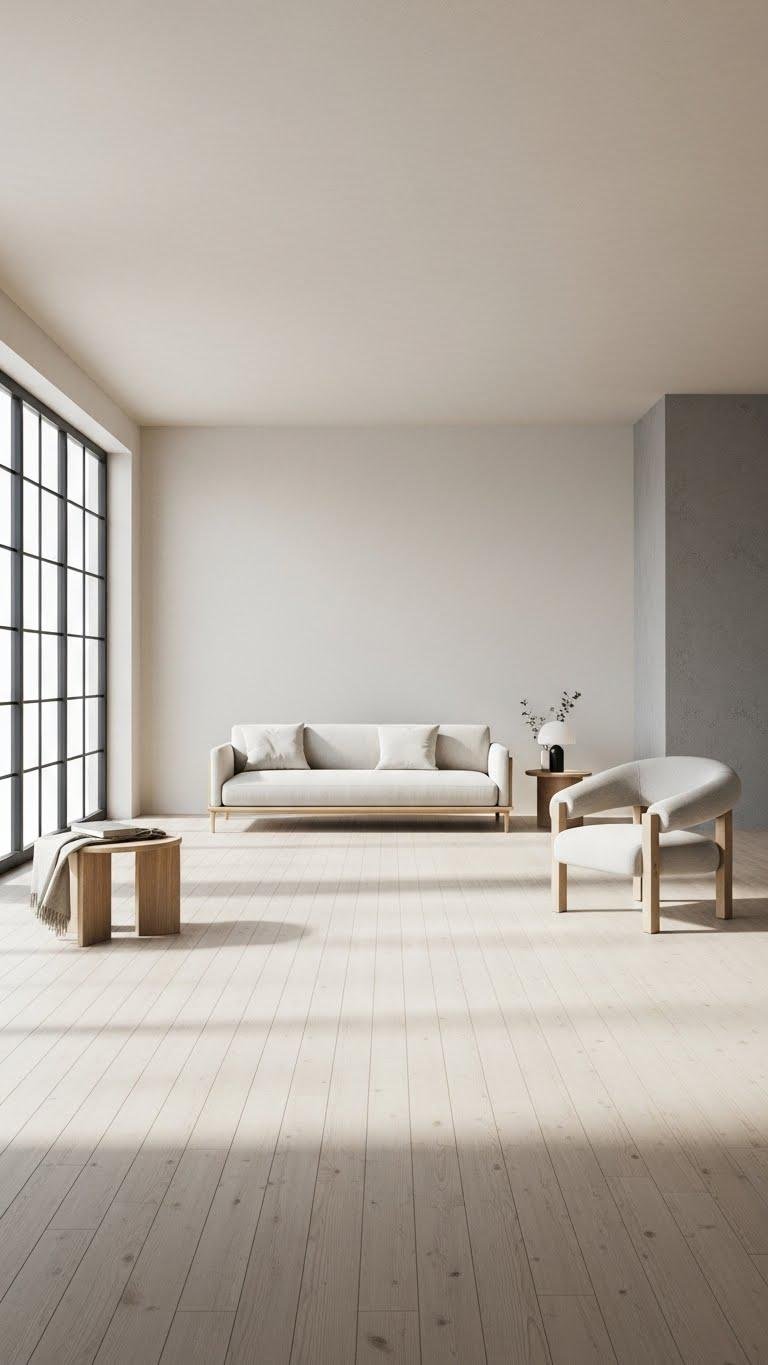
Negative space gives your room breathing room: intentionally empty areas frame furniture, highlight textures, and let light move freely so the space feels calm and purposeful. You’ll embrace intentional voids to create visual breathing room, resisting clutter and arranging pieces with generous gaps.
This disciplined restraint frees movement, clarifies function, and lets each object assert presence without overpowering your serene, liberated environment.
Select Warm‑Temperature Lighting
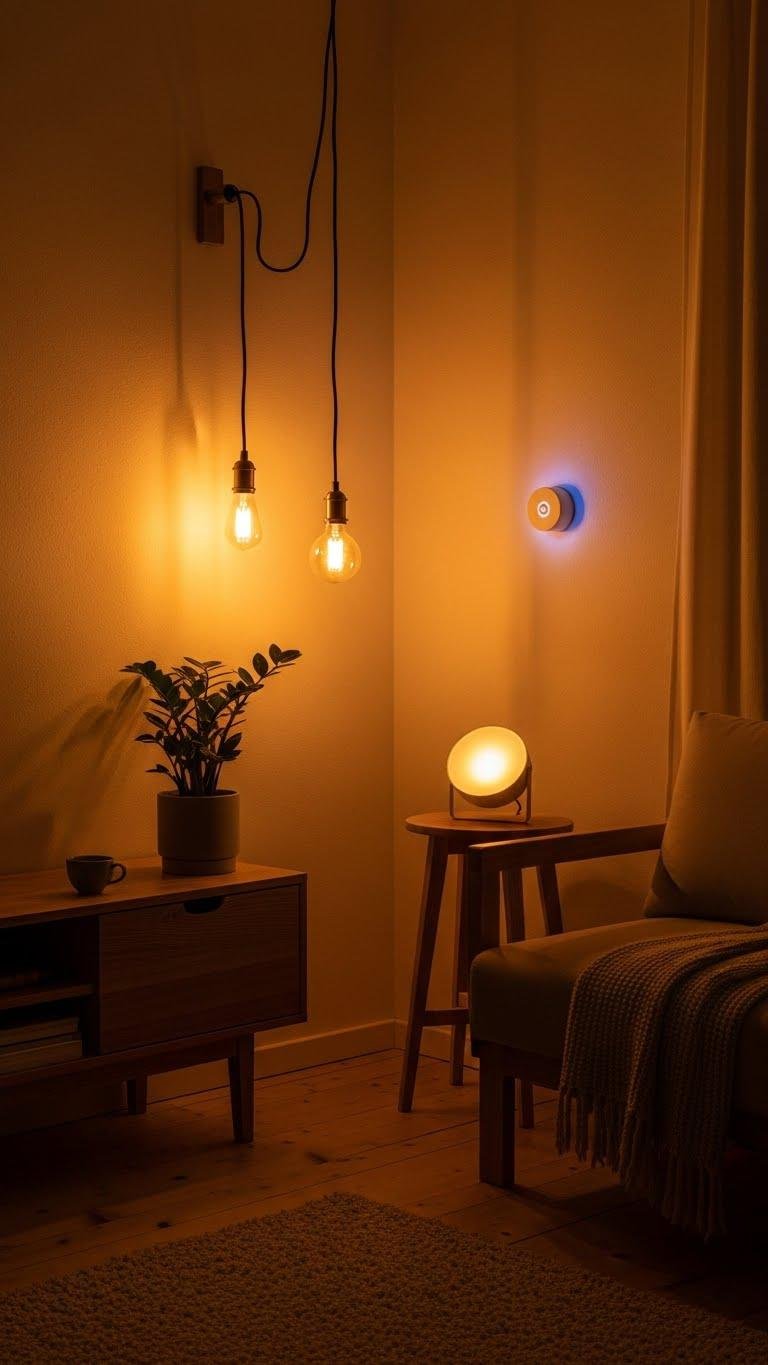
Often a room’s mood hinges on its light, so choose warm‑temperature bulbs to deepen the cozy, minimalist feel without sacrificing clarity.
You’ll prefer amber tones and high CRI for true color. Add smart dimmers to control intensity and preserve calm. For occasional mood shifts or seasonal needs, keep phototherapy bulbs on hand; use them intentionally, not constantly, to maintain serenity and freedom.
Layer Ambient, Task, and Accent Light
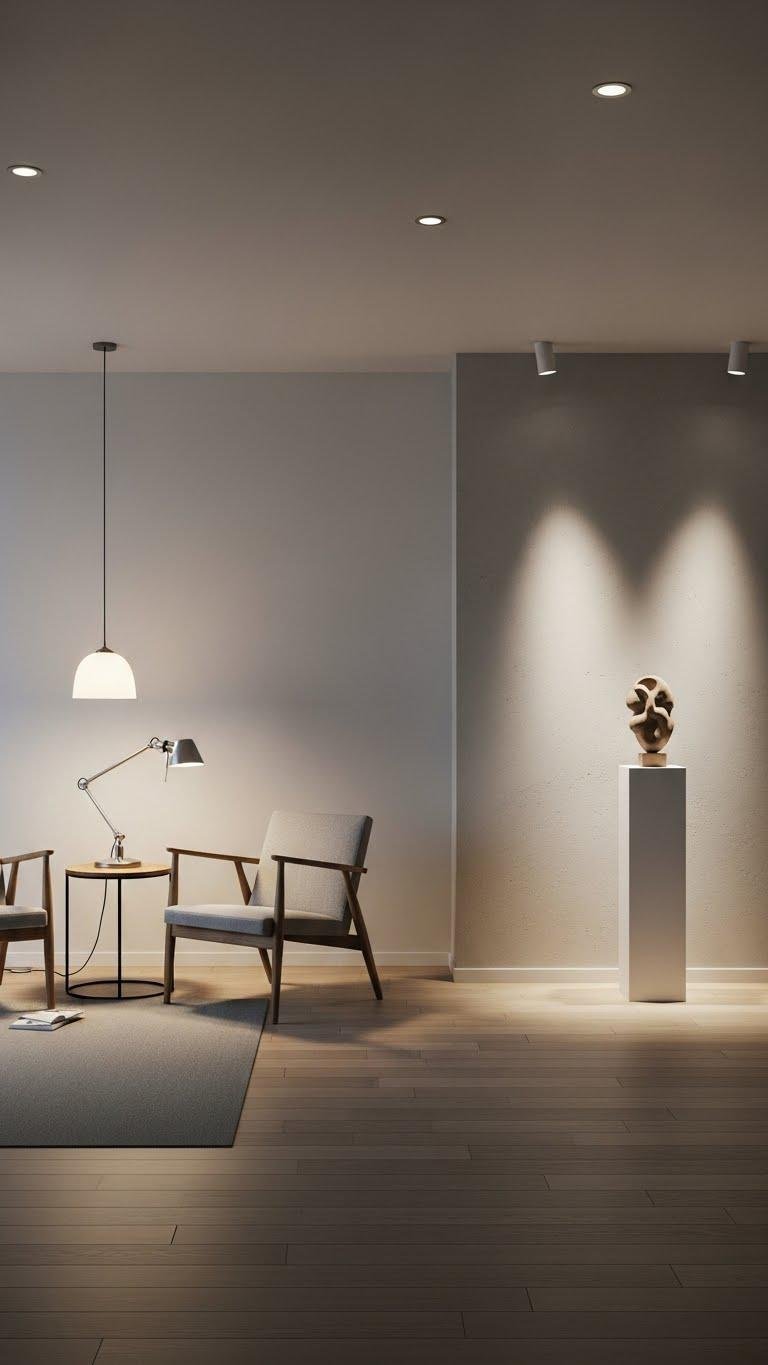
When you layer ambient, task, and accent light, you give a minimalist room depth and purpose without adding clutter.
Use layered fixtures to create zones, set dimmer presets for flexible moods, and aim for silhouettes emphasis to sculpt space.
Position task lamps for clarity and accent lights for texture highlights.
This keeps the room airy, purposeful, and freely expressive.
Use Natural‑Material Lampshades
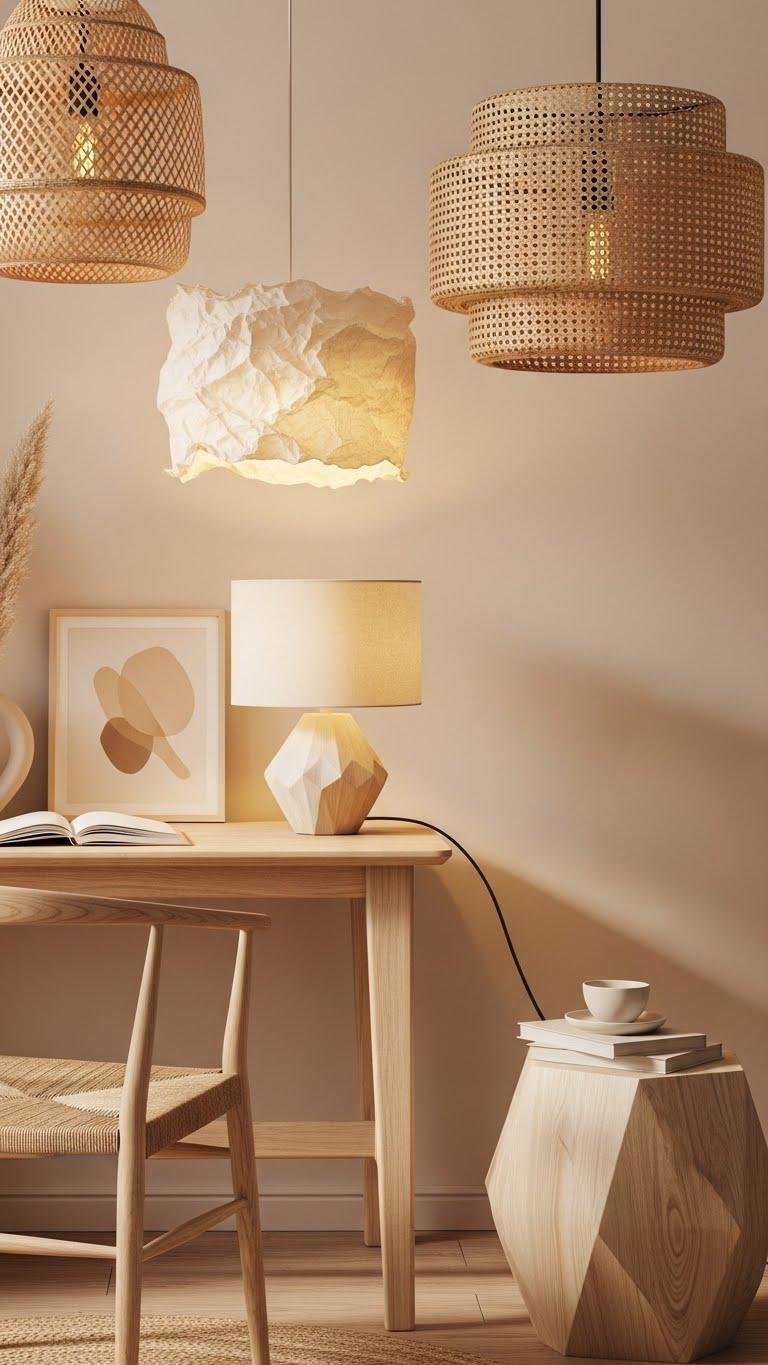
Natural-material lampshades—think woven rattan, linen, or hand-blown paper—soften light while reinforcing a warm minimalist palette. You’ll choose pieces like woven paper pendants or raw silk table shades to create layered, forgiving glow.
Place them where you relax or work; their textures add subtle freedom and calm without clutter. Opt for simple shapes and warm bulbs to keep spaces open, honest, and inviting.
Incorporate Handcrafted or Aged Objects
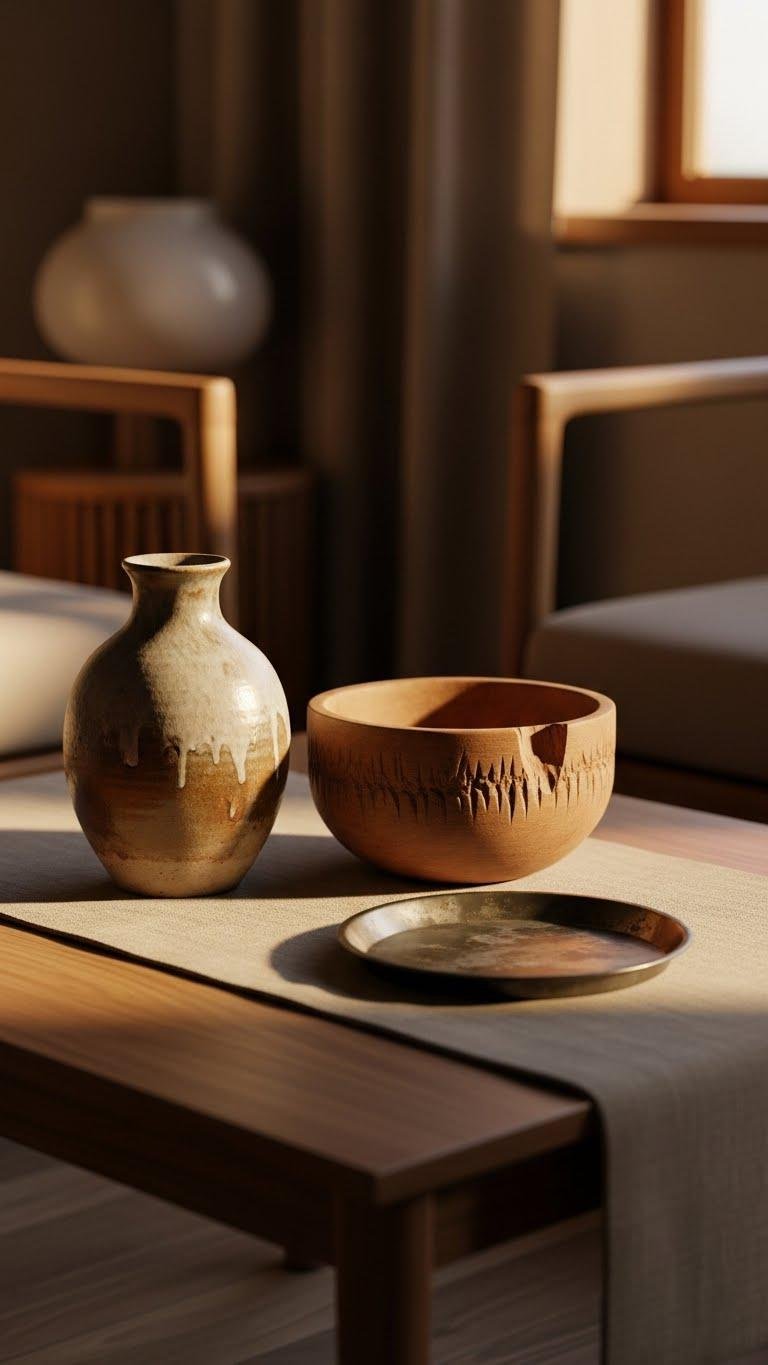
Something handmade or gently worn brings soul to a warm minimalist space, grounding clean lines with character and history. You’ll choose a few statement pieces—handmade pottery, a patinaed metal tray, a carved bowl—that carry imperfection and memory.
They invite touch, calm visual noise, and let your rooms breathe. Embrace objects that feel lived‑in; they grant your home quiet authenticity and liberating warmth.
Keep Decor Quiet and Curated
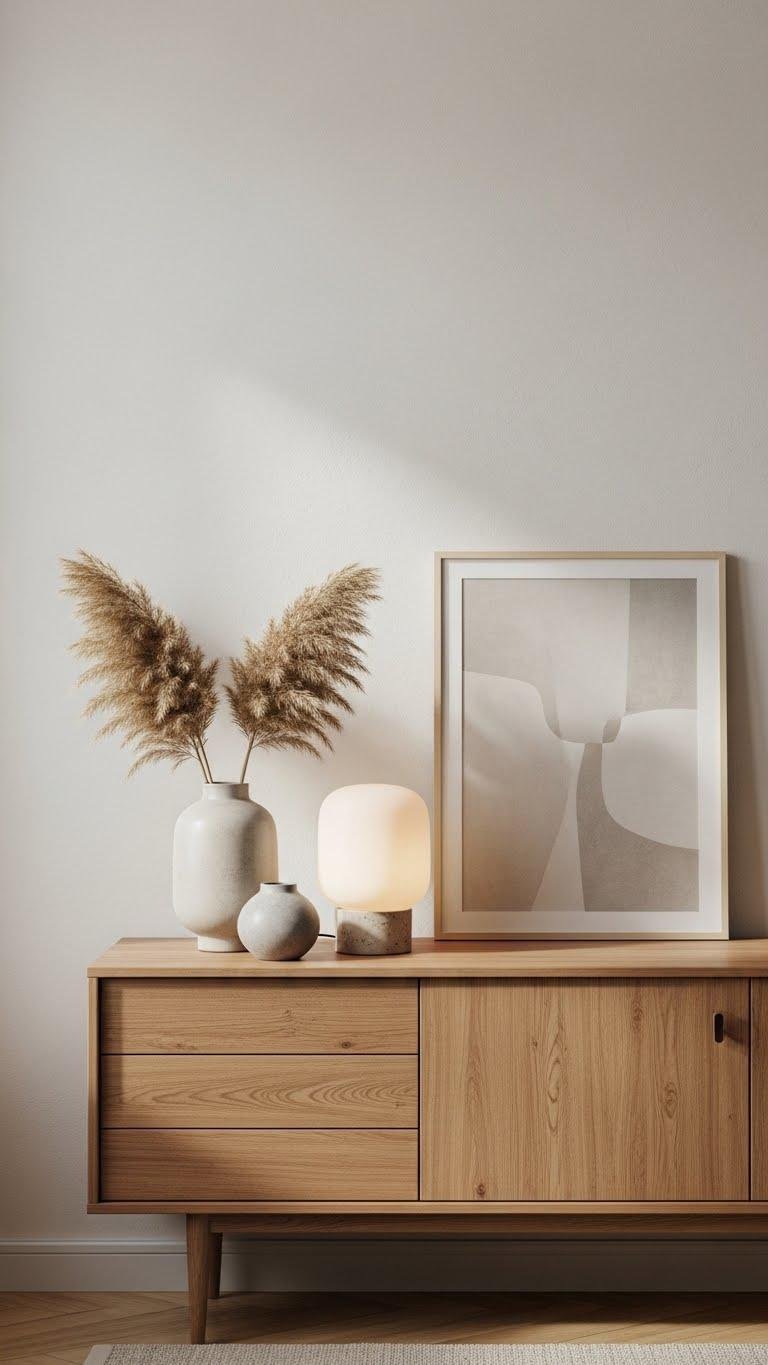
Although minimalism celebrates restraint, you’ll want each object to be intentional: edit down to a handful of pieces that speak clearly to the room’s purpose and palette. Keep visual noise low with low contrast displays and restrained ornamentation, letting texture and scale create warmth. You control the vibe—choose calm, functional forms that free your space and mind without clutter or excess.
Display a Few Meaningful Pieces
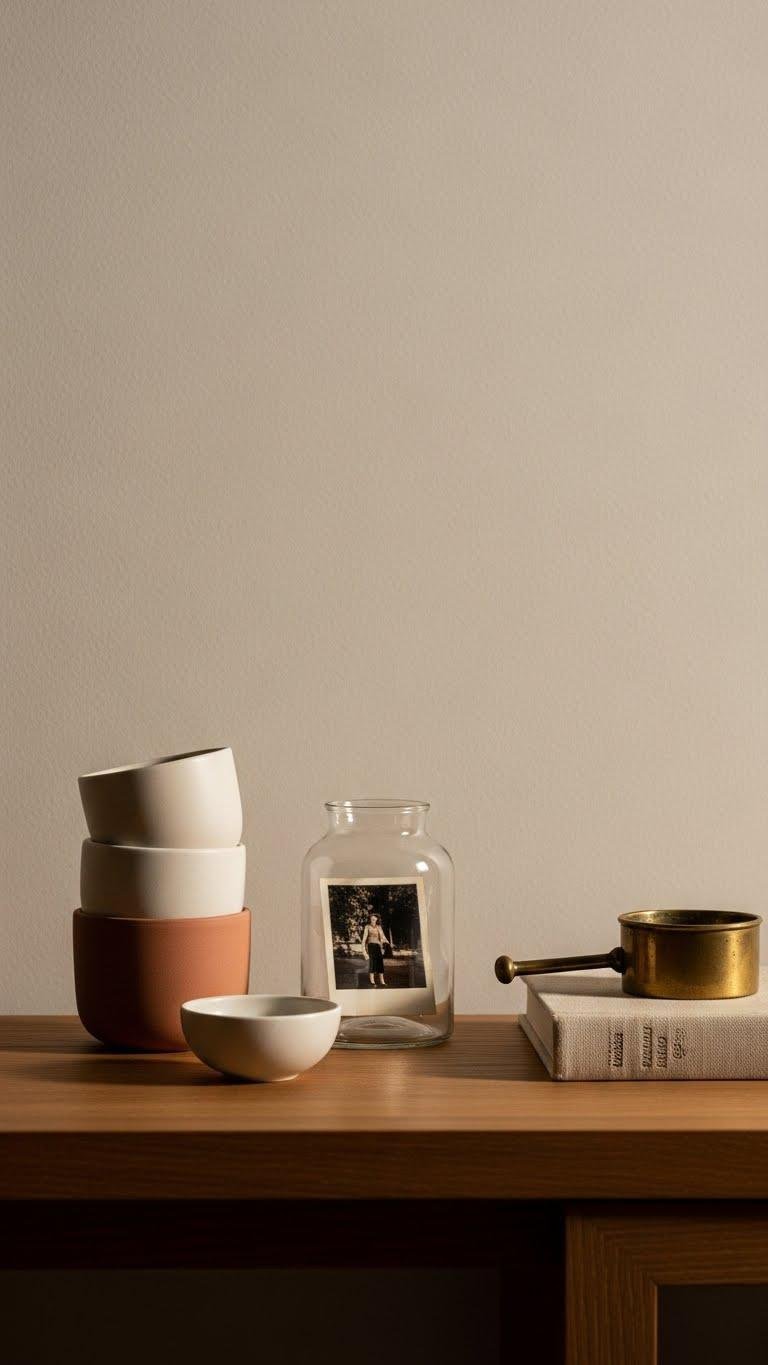
When you pare a shelf or tabletop down to just a few meaningful pieces, each object earns presence and purpose—so choose items that tell a story, reinforce the room’s palette, and vary in scale and texture.
You’ll display memory vessels and curated heirlooms that feel intentional. Keep forms simple, let negative space breathe, and arrange pieces so they invite touch and recall without cluttering your freedom.
Rotate Art and Objects Seasonally
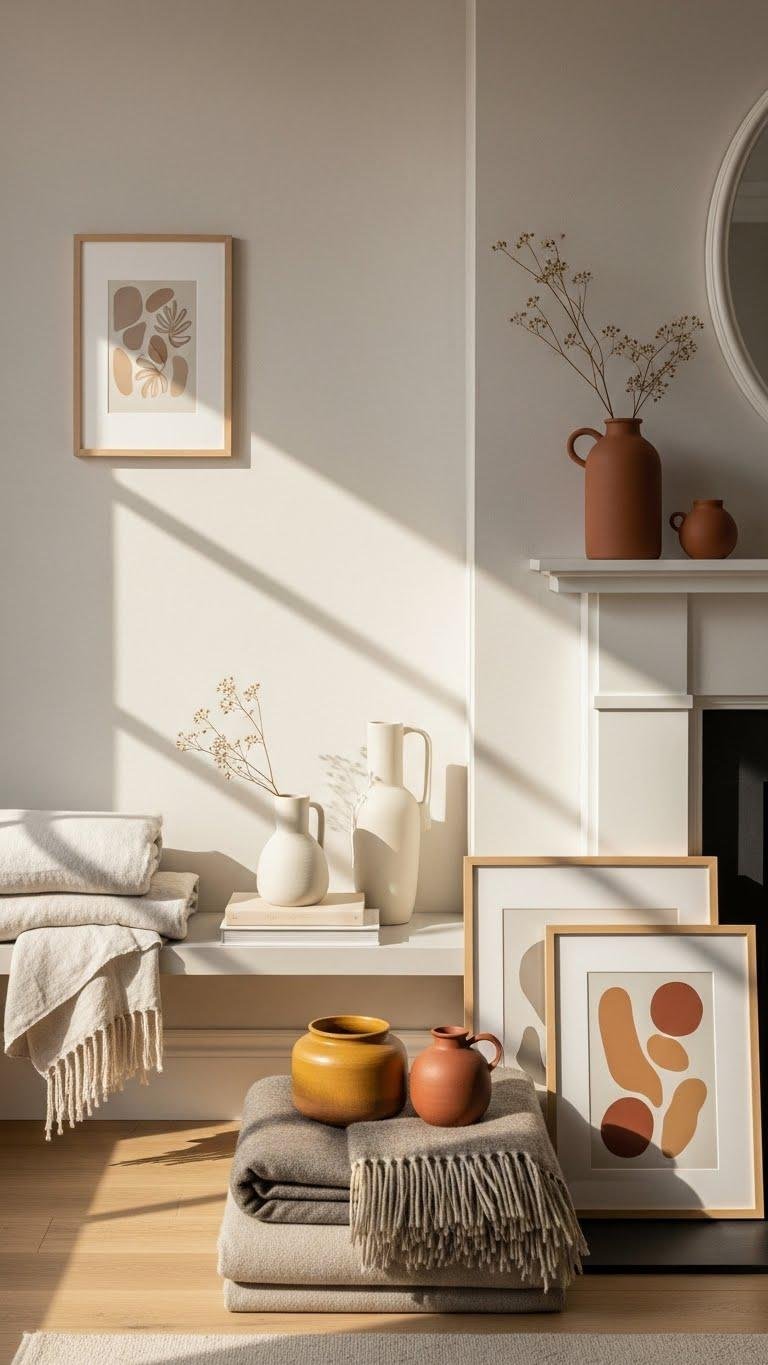
After you’ve pared surfaces down to a few meaningful pieces, keep the room feeling fresh by rotating art and objects with the seasons. You’ll plan a simple object rotation schedule: swap textiles, frames, and ceramics for seasonal color swapping that suits mood and light.
Rotate intentionally, store extras neatly, and let each change feel liberating rather than cluttered—confidence in restraint is stylish.
Integrate Functional Styling Elements
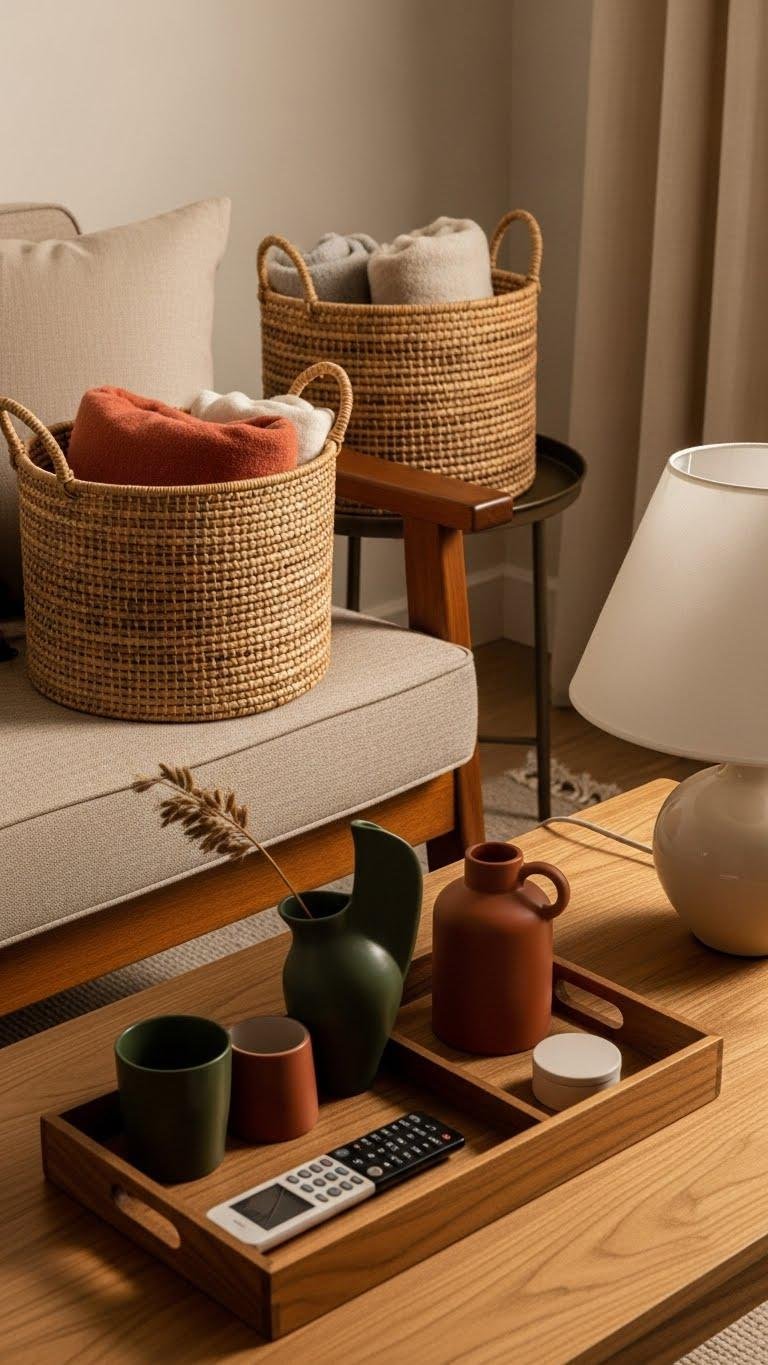
Make every object earn its place by blending usefulness with refined form: choose baskets that tuck away throws but look sculptural, trays that corral remotes while echoing your palette, and lamps whose shape complements the room as much as their light. You’ll craft functional vignettes that feel intentional, pairing clever storage with artful surfaces so each item serves, simplifies, and frees you.
Favor Breathable, Easy‑Care Textiles
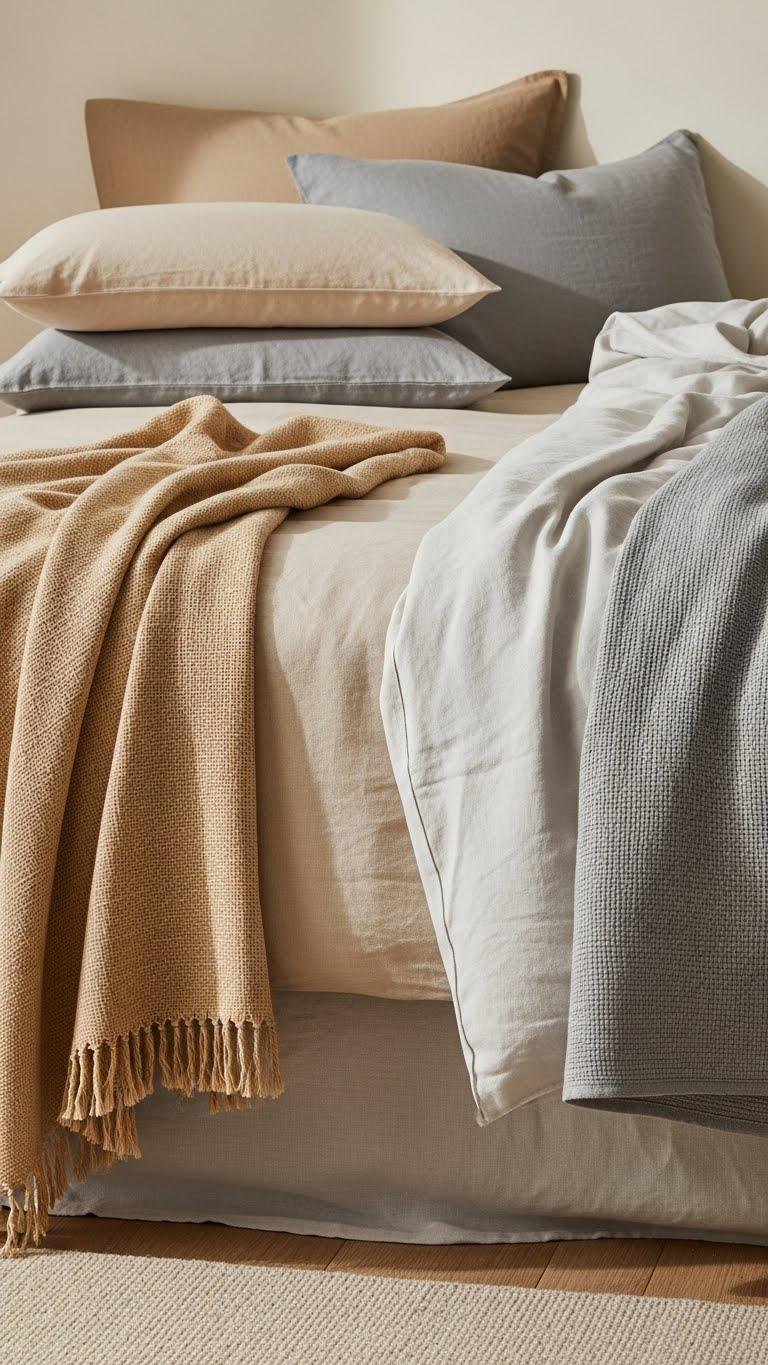
Why settle for pretty fabrics that need fuss? Choose breathable bedding and quick‑wash throws so your space feels calm and effortless.
You’ll pick natural fibers that breathe, resist odors, and soften with use. Keep palettes simple, textures intentional, and laundry easy — you get comfort without chores.
These smart, low‑maintenance textiles free your time and keep warmth understated and real.
Optimize Natural Light and Window Treatments
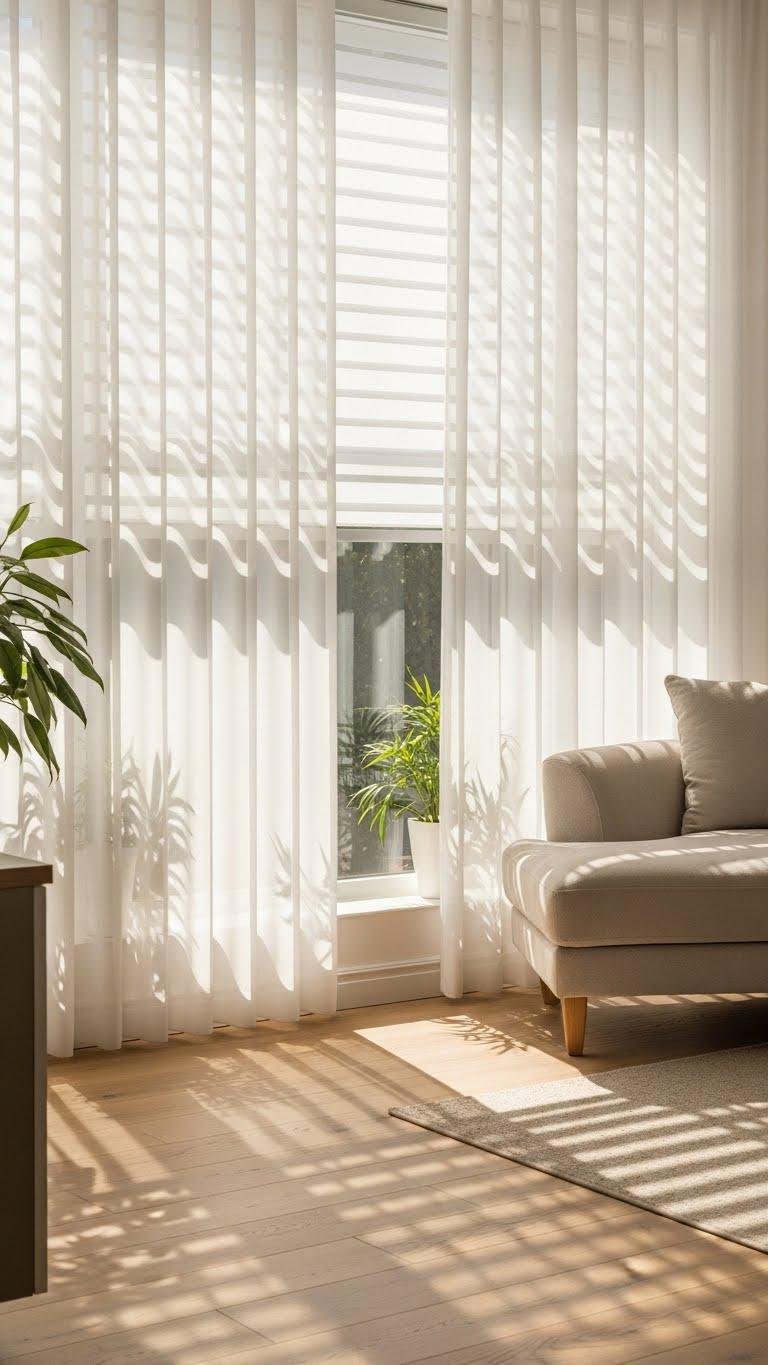
When you let sunlight lead the room, it instantly feels warmer and more open—so plan window treatments that control light, not smother it. Choose sheer curtains to diffuse glare and keep views, then add solar shades for daytime privacy and UV protection.
Layering gives you control: lift, filter, or block light as needed, preserving calm, airy minimalism while staying free and intentional.
Improve Acoustics With Soft Furnishings
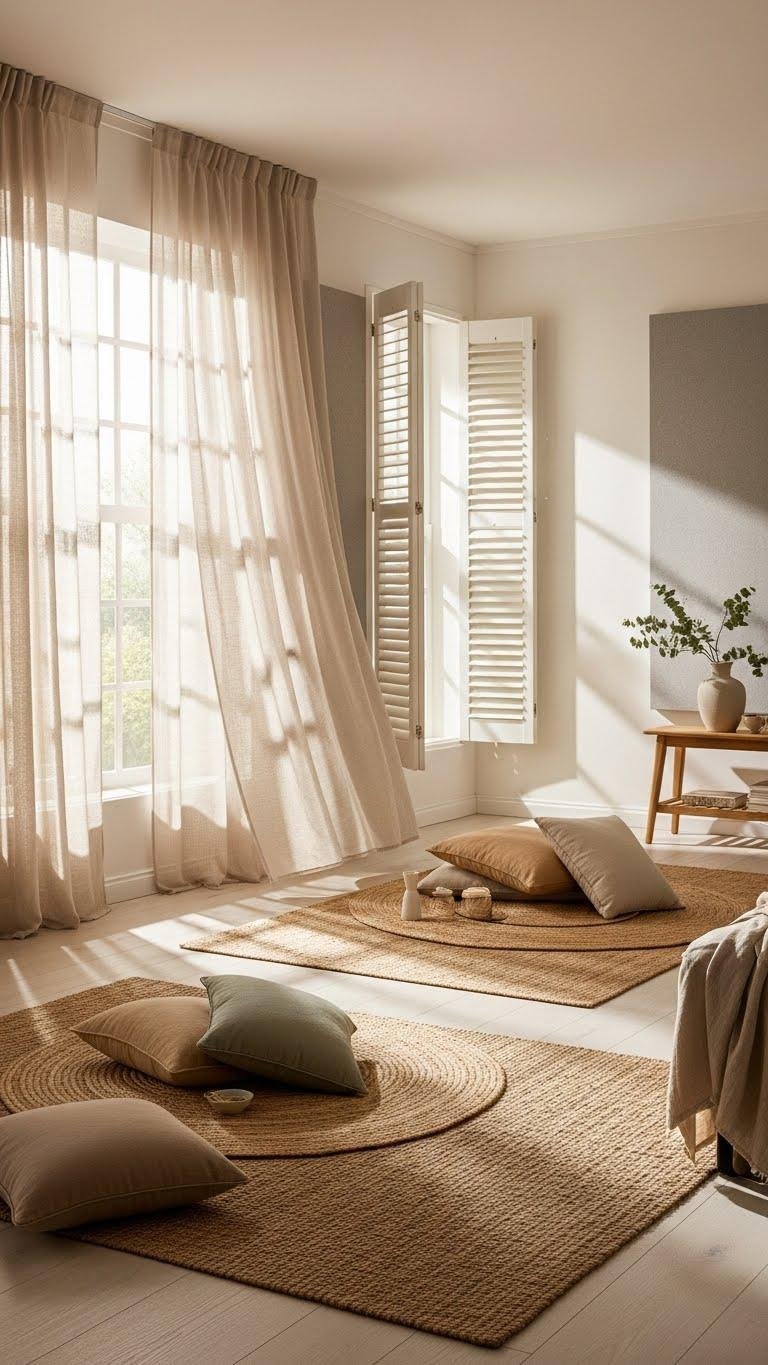
Bring in soft textiles to tame echo and shape the room’s sound without cluttering its calm. You’ll layer rugs, drapery, and cushions to absorb noise, pairing them with discreet sound absorbing panels for targeted control.
Choose natural tones and lightweight fabrics that float, and complement windows with soft plantation shutters to keep lines clean while giving you sonic privacy and a liberated, peaceful atmosphere.